Training to Shoot a DASA Firearm | First Person Defender S7 Tip

Published on December 1, 2019
Duration: 3:28

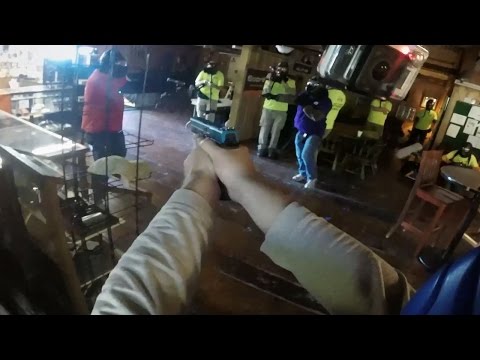
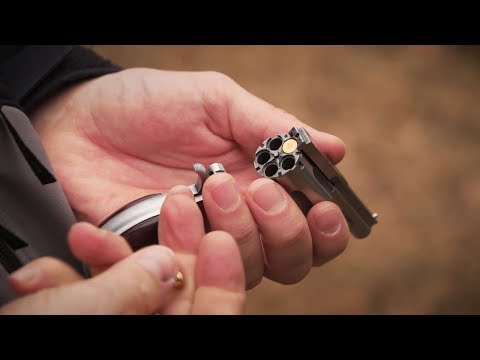
This video provides an instructor's approach to training new shooters on a DASA (Double Action Single Action) firearm, specifically the Kimber K6s DASA. The focus is on mastering both the double-action and single-action trigger presses through dry practice and live fire drills, emphasizing trigger control and understanding the firearm's mechanics for accurate shooting.


Quick Summary

Mastering trigger control is paramount for shooting any firearm, especially a DASA (Double Action Single Action) pistol like the Kimber K6s DASA. An instructor emphasizes practicing both the double-action and single-action trigger presses, starting with dry fire and progressing to live ammunition, to ensure consistent and accurate shot placement.

Chapters

  1. 00:05Instructor Focus: Fundamentals
  2. 00:17Introducing the Kimber K6s DASA
  3. 00:21What is DASA?
  4. 00:33Dry Practice: Trigger Finger Placement
  5. 00:48Mastering Double Action Trigger
  6. 00:56Understanding Single Action Trigger
  7. 01:25Live Fire: Trigger Practice
  8. 01:44Starting with Single Action Live Fire
  9. 02:09Practicing Double Action Live Fire
  10. 02:40Rapid Fire with DASA
  11. 03:09Sideways Gun Drill

Frequently Asked Questions

What are the key fundamentals for shooting a DASA firearm?

The three important fundamentals for shooting any firearm, including a DASA, are grip, sights, and trigger. The instructor emphasizes that trigger control is arguably the most critical of these fundamentals for accurate shooting.

How should a new shooter approach the trigger on a DASA pistol?

A new shooter should first practice with an empty firearm to get used to finding the correct trigger finger placement. They should then practice both the double-action and single-action trigger presses until they can consistently achieve a controlled hammer fall.

What is the difference between double-action and single-action triggers on a DASA firearm?

A double-action trigger requires a longer, heavier pull to cock and release the hammer. A single-action trigger, typically engaged after manually cocking the hammer, has a shorter, lighter pull, though it still requires deliberate pressure before firing.

Why is trigger control so important for accuracy?

Accurate shooting relies heavily on consistent trigger control. When the trigger is pressed correctly, the firearm's natural rise and fall are managed, allowing for precise shot placement. Mishandling the trigger is a primary reason for missed shots.

More Training & Techniques Videos You Might Like

More from Gun Talk Media

View all →