What They Are & Why They're Essential?

Published on November 3, 2024
Duration: 12:24

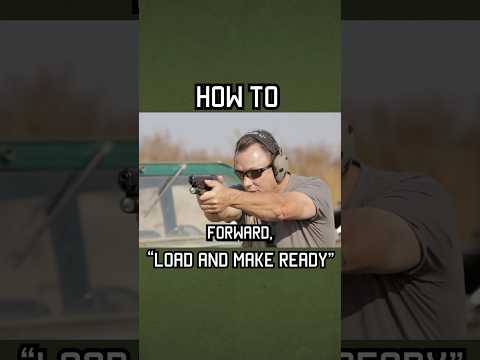
This video explains the importance of weapon conditions for communication, understanding gun laws, and diagnosing malfunctions. It details Condition 4 (unloaded), Condition 3 (magazine inserted, no round in chamber), and Condition 1 (round in chamber), emphasizing their application to firearms like the AR-15. The instructor, with a background in the Marine Corps, stresses that knowing these conditions is crucial for safe and effective firearm handling.

Quick Summary

Weapon conditions are essential for clear communication, diagnosing malfunctions, and understanding gun laws. Condition 4 is unloaded, Condition 3 has a magazine but no round in the chamber, and Condition 1 has a round in the chamber. These conditions are critical for safe and effective firearm handling, particularly for AR-15 pattern rifles.

Chapters

  1. 00:00Introduction & Importance of Weapon Conditions
  2. 01:01Three Reasons Why Weapon Conditions Matter
  3. 02:41Condition 4: The Unloaded State
  4. 03:45Condition 3: Magazine Inserted, No Round in Chamber
  5. 04:37Condition 1: Round in Chamber
  6. 05:22Diagnosing Malfunctions with Weapon Conditions
  7. 06:13Unloading from Condition 1 back to Condition 4
  8. 07:04Communication on the Firing Line
  9. 09:09Memorizing and Applying Weapon Conditions
  10. 10:04Weapon Conditions and Gun Laws

Frequently Asked Questions

What are the three main weapon conditions discussed in the video?

The video details three primary weapon conditions: Condition 4, which is completely unloaded with no magazine and no round in the chamber; Condition 3, where a magazine is inserted but no round is chambered; and Condition 1, which has both a magazine inserted and a round in the chamber.

Why are weapon conditions important for firearm owners?

Weapon conditions are vital for clear communication when handling firearms, diagnosing malfunctions efficiently, and understanding legal requirements, especially when traveling between states with different gun laws.

How do you transition between weapon conditions?

Transitioning from Condition 4 to 3 involves inserting a magazine. Moving from 3 to 1 requires chambering a round. To unload from Condition 1 to 3 or 4, you must remove the magazine and eject any chambered round.

Does Condition 2 apply to all firearms?

No, Condition 2 does not apply to AR-15 pattern rifles. It is mentioned as potentially applicable to bolt-action firearms, hammer-fired firearms, belt-fed machine guns, and Mark 19 grenade launchers.

Related News

All News →

More Training & Techniques Videos You Might Like

More from Weapon Snatcher

View all →