What Would You Do: Two Good Guys, Two Bad Guys | FPD Trainers Corner

Published on April 21, 2019
Duration: 2:42

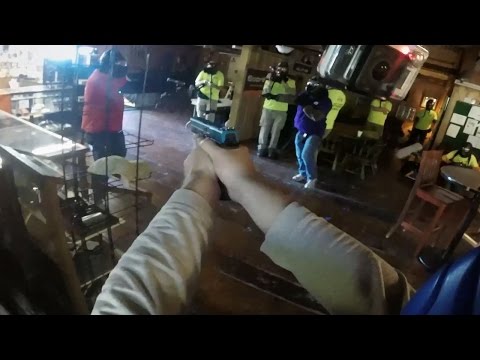
This training simulation from Boondocks Firearms Training Academy, led by Chris and Michelle Cerino, emphasizes the critical 'Shoot, Move, and Communicate' tenets for active threat encounters. The drill highlights drawing a firearm, using a flashlight in low light, identifying and communicating threats, moving to cover, engaging targets, and post-engagement procedures including calling 911. The trainers, who carry firearms regularly, demonstrate a separation and communication strategy against armed adversaries.

Quick Summary

Master the 'Shoot, Move, and Communicate' doctrine for active threat response. This tactical approach emphasizes drawing your firearm, engaging threats, moving to cover, and maintaining clear communication, crucial for effective self-defense.

Chapters

  1. 00:04Introduction to Trainers and Academy
  2. 00:30Simulator Scenario 1: Active Threat
  3. 01:03Post-Scenario 1 Actions
  4. 01:23Range Scenario 2: Active Threat
  5. 01:44Post-Scenario 2 Actions
  6. 02:04Key Training Principles: Shoot, Move, Communicate

Frequently Asked Questions

What are the key principles for responding to an active threat?

The core principles for responding to an active threat are 'Shoot, Move, and Communicate.' This involves drawing your firearm, engaging threats, relocating to cover, and maintaining clear communication about your actions and the threat status.

How important is communication during a firearms engagement?

Communication is paramount. Clearly identifying the number and location of threats, and confirming when targets are down, is crucial for coordinated action and ensuring everyone's safety during a violent encounter.

What role does a weapon-mounted flashlight play in self-defense?

In low-light or no-light conditions, a weapon-mounted flashlight is essential for identifying threats, illuminating your surroundings, and maintaining target acquisition without compromising your grip or tactical posture.

What should be done immediately after neutralizing a threat?

After neutralizing a threat, the immediate priority is to call 911. This ensures that medical assistance and law enforcement are dispatched to the scene promptly.

Related News

All News →

More Training & Techniques Videos You Might Like

More from Gun Talk Media

View all →