What You Didn't Learn in Your Concealed Carry Class | GunTalk S2: Ep 1, Pt 4

Published on June 29, 2012
Duration: 5:00

This video details essential concealed carry techniques beyond basic certification. It emphasizes accessible carry positions, focusing on the strong-side belt as the most efficient. The core technique involves a rearward elbow movement for drawing, bringing the gun to the eye-target line, and integrating the support hand for a stable grip and presentation. The draw is described as an upside-down 'L' motion, and re-holstering is advised to be slow and deliberate.

Quick Summary

The most accessible concealed carry position is typically strong-side belt carry. To draw effectively, move your gun-hand elbow straight to the rear, bringing the firearm to the eye-target line while integrating your support hand for a stable grip. Re-holstering should be slow and deliberate, reversing the draw motion.

Chapters

  1. 00:06Concealed Carry Accessibility
  2. 00:35Draw Stroke Technique
  3. 01:20Fending to Draw
  4. 01:31Eye-Target Line Presentation
  5. 02:00Support Hand Function
  6. 02:44The Upside Down L Draw
  7. 02:51Safe Re-holstering
  8. 03:22Tactical Scenario Application
  9. 03:44Low Ready Technique
  10. 04:11Beyond Basic Concealed Carry

Frequently Asked Questions

What is the key principle for a concealed carry firearm to be effective?

For a concealed carry firearm to be effective, it must be accessible. This means you should be able to bring it into action and achieve an accurate hit in approximately 2 seconds or less. If it takes longer, it may not be a factor in a self-defense situation.

What is the most accessible carry position for a concealed firearm?

The strong-side belt carry is generally considered the most accessible location for a concealed firearm. This is because your hands naturally rest in positions that allow for quick access to this area during your daily routine.

How should you perform a handgun draw from a fending position?

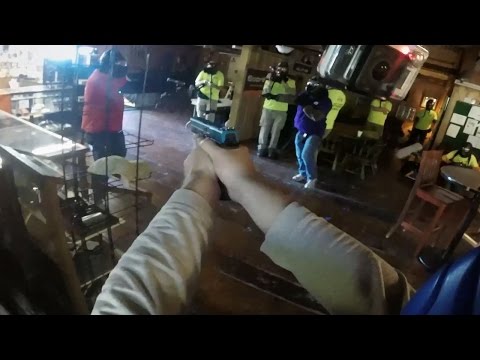
From a fending position, take your gun-hand elbow straight to the rear, allowing your hand to follow. Then, bring the gun up to the eye-target line. Simultaneously, bend your support arm's elbow upwards to bring both hands together for a stable grip and presentation.

What is the recommended technique for re-holstering a handgun?

Re-holstering should be done deliberately and slowly. Reverse the draw motion, rotating the pistol back into the holster. Guide the dust cover into the holster pouch to ensure a safe and proper re-holster.

Related News

All News →

More Training & Techniques Videos You Might Like

More from Gun Talk Media

View all →