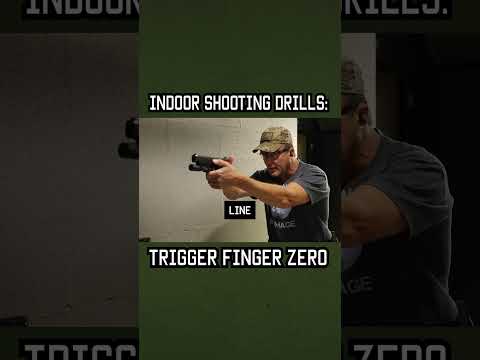
Why We Miss Easy Shots!

This video from American Handgunner Insider, hosted by Tom McHale, explains why shooters miss easy shots by focusing on two key factors: physics and 'freaking out' (timing the shot). McHale demonstrates how the force required to operate a trigger can move a lightweight firearm, and how the natural tendency to yank the trigger when sights align leads to misses. He advocates for prioritizing a smooth trigger press over timing the shot precisely when sights are on target, suggesting this approach will improve accuracy for both heavy and light trigger pulls.


Quick Summary

Missed shots are often due to the physics of trigger pull force on lightweight firearms and the shooter's tendency to improperly time the shot. The key to improvement is to prioritize executing a smooth, controlled trigger press over precisely timing the shot when sights align, thereby minimizing sight disturbance.

Frequently Asked Questions

What are the two main reasons shooters miss easy shots?

According to Tom McHale of American Handgunner, the two primary reasons for missing easy shots are the physics of firearm operation (specifically, the force required to pull the trigger relative to the firearm's weight) and the shooter's tendency to 'freak out' or improperly time the shot when sights align.

How does firearm weight affect trigger pull accuracy?

Lighter firearms, like a 1-pound revolver, are more susceptible to movement when a significant trigger pull force (e.g., 8-9 pounds) is applied. This physics principle means that even a slight disturbance during the trigger press can cause the sights to move off target.

What is the recommended technique to avoid missing shots?

Instead of trying to time the shot precisely when sights align, the recommended technique is to first get the sights on target, then consciously shift focus to executing a smooth, deliberate trigger press without disturbing the sight alignment. This prioritizes trigger control over perfect timing.

What tool is recommended for measuring trigger pull weight?

The video highlights the Lyman Electronic Trigger Gauge as a superior tool for measuring trigger pull weight. It offers greater accuracy and handles a wider range of weights compared to older spring-operated models, providing reliable data for firearm tuning and technique analysis.

More Training & Techniques Videos You Might Like

More from GUNS and American Handgunner Magazines

View all →