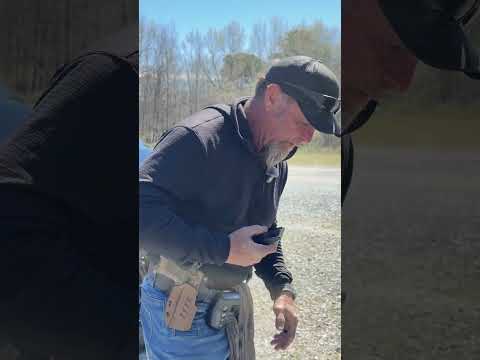
Working Support Hand

Published on April 13, 2026
Duration: 1:00

This video discusses the importance of training with both the strong and support hands. While strong-hand-only shooting is tactically necessary for scenarios like vehicle extractions or providing cover, the instructor emphasizes training the support side not for tactical necessity but for cognitive benefits. Working the non-dominant side stimulates the creative and analytical lobes of the brain, enhancing overall cognitive function.


Quick Summary

Training your support hand, or non-dominant side, offers significant cognitive benefits by stimulating the creative and analytical lobes of your brain. While strong-hand-only shooting is tactically essential for specific scenarios like providing cover or vehicle extractions, support-side training enhances overall brain function and problem-solving skills.

Chapters

  1. 00:01Importance of Strong and Support Hand Training
  2. 00:05Tactical Necessity of Strong Hand Shooting
  3. 00:17Cognitive Benefits of Support Side Training
  4. 00:31Brain Stimulation Through Non-Dominant Side Work
  5. 00:42When Support Hand Shooting Becomes Necessary

Frequently Asked Questions

Why is training strong-hand-only shooting important?

Strong-hand-only shooting is tactically vital for scenarios where you might be protecting someone, such as stuffing them into a car or providing cover. It ensures you can effectively operate a firearm even when your support hand is occupied or unavailable.

What are the benefits of training your support hand?

While not always tactically necessary, training your support (non-dominant) side offers significant cognitive benefits. It stimulates the creative and analytical lobes of your brain, which can lead to improved overall cognitive function and problem-solving abilities.

Is training the support side a tactical requirement?

According to the instructor, training the support side is not primarily driven by tactical necessity but rather by the desire to enhance cognitive function. It's seen as a way to exercise the creative and analytical parts of the brain, making you a more well-rounded thinker.

More Training & Techniques Videos You Might Like

More from Pat Mac

View all →