Would you want one? (Ruger GP100)

Published on May 23, 2025
Duration: 1:06

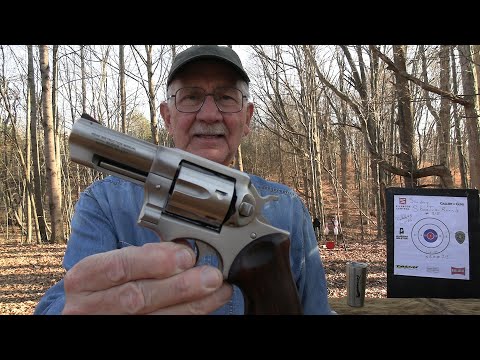
This guide details the fundamental handling and shooting techniques for the Ruger GP100 revolver, as demonstrated by a USCCA representative. It covers safe firearm inspection, understanding the double-action/single-action trigger, proper loading of the 7-round cylinder, sight acquisition with fiber optic and adjustable sights, and controlled trigger pulls for accurate shooting. The video emphasizes the GP100's utility for backwoods protection.


Quick Summary

The Ruger GP100 is a .357 Magnum revolver with a 7-round capacity, featuring a green fiber optic front sight and adjustable rear sight for accuracy. It offers both Double Action and Single Action modes and is presented as a reliable firearm for backwoods protection against wildlife.

Chapters

  1. 00:00Introduction to Ruger GP100
  2. 00:12Sights and Grips
  3. 00:23Action and Operation
  4. 00:33Use Case: Backwoods Protection
  5. 00:45Shooting Demonstration

Frequently Asked Questions

What are the key features of the Ruger GP100 discussed in the video?

The Ruger GP100 features a 7-round cylinder for .357 Magnum, a green fiber optic front sight, an adjustable rear sight, and operates in both Double Action and Single Action modes. It's also noted for its rubber grips with wood inserts.

How is the Ruger GP100 presented for self-defense?

The USCCA representative highlights the Ruger GP100's utility as a backwoods protector, capable of defending against wild animals like bears and cougars due to its .357 Magnum caliber and robust construction.

What type of sights does the Ruger GP100 have?

The Ruger GP100 in this video is equipped with a bright green fiber optic front sight for enhanced visibility and an adjustable rear sight, allowing for precise windage and elevation adjustments.

What is the cylinder capacity of the Ruger GP100 shown?

The Ruger GP100 model featured in the video has a cylinder capacity of 7 rounds when chambered for the .357 Magnum cartridge.

Related News

All News →

More Training & Techniques Videos You Might Like

More from USCCA

View all →