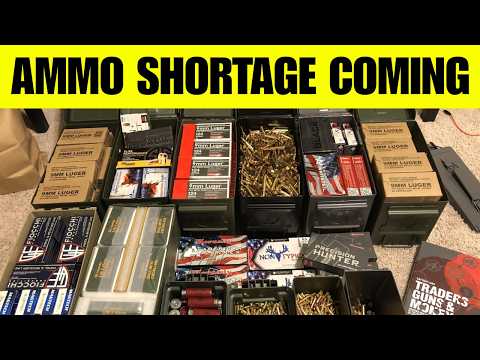
This video by Ted from Line45 outlines seven essential calibers Americans should stockpile to prepare for potential ammunition shortages, citing patterns observed in past events like the 2020 crunch. The advice focuses on calibers that disappear first due to high demand from various user groups, supply chain vulnerabilities, and production limitations. The instructor emphasizes maintaining separate stashes for training and defensive ammunition for each caliber.
This video provides expert guidance on stockpiling ammunition, emphasizing pattern recognition of market shortages rather than panic buying. It details seven calibers that consistently become scarce, offering specific recommendations for reserve quantities for each, distinguishing between training and defensive loads. The advice is presented from the perspective of a firearms instructor focused on practical preparedness.
This video from Line45, hosted by Ted, outlines seven critical ammunition calibers Americans should stockpile to prepare for potential ammo shortages, referencing patterns seen in 2020 and anticipating a 2026 crunch. Ted emphasizes the importance of having sufficient defensive and training ammunition for various firearms, detailing why specific calibers disappear first during panic buying and the factors influencing supply chain disruptions. The advice is geared towards intermediate shooters and gun owners concerned with preparedness.
This video provides expert advice on stockpiling essential ammunition calibers in anticipation of potential shortages, referencing historical patterns and supply chain vulnerabilities. Ted from Line45 emphasizes the importance of maintaining a buffer of training and defensive ammunition for key calibers like .22 LR, 9mm, .223/5.56, 12-gauge slugs/buckshot, 7.62x39mm, and .308/7.62 NATO. He advises prioritizing calibers based on common use, defensive applications, and vulnerability to market fluctuations.
Ted from Line45 advises stockpiling specific ammunition calibers before anticipated shortages in 2026. He details why .22 LR, 9mm Luger, .223/5.56 NATO, 12-gauge slugs and buckshot, 7.62x39mm, and .308/7.62 NATO are critical, citing historical patterns, production limitations, and demand pressures from various user groups. The guide emphasizes maintaining separate stashes for training and defensive use across all firearm types.
This video provides an expert-level analysis of ammunition stockpiling strategies in anticipation of potential future shortages, often referred to as an 'ammo crunch.' Ted from Line45 details specific calibers that tend to disappear first, analyzes supply chain vulnerabilities, and offers practical advice on building a resilient ammunition reserve for various firearms and applications, from training to self-defense.
This video, presented by Ted from Line45, outlines seven essential calibers Americans should stockpile to prepare for potential ammunition shortages, drawing parallels to past events like the 2020 crunch. The instructor emphasizes strategic stocking for training, defense, and survival, advising on specific types of ammunition within each caliber. The advice is geared towards proactive preparedness for firearm owners facing supply chain disruptions and panic buying.
Ted from Line45 advises stockpiling specific ammunition calibers to prepare for potential ammo shortages, drawing parallels to past events like the 2020 crunch. He emphasizes the importance of having sufficient training and defensive rounds for various firearms, including .22 LR, 9mm, 5.56/.223, 12-gauge slugs and buckshot, 7.62x39mm, and .308/7.62 NATO, as well as less common calibers. The advice focuses on proactive preparation to maintain training and defensive capabilities during scarcity.
Ted from Line45 outlines seven critical ammunition calibers every American should stockpile, emphasizing their historical scarcity during demand surges. He details why .22 LR, 9mm, .223/5.56, 12-gauge defensive loads, 7.62x39mm, .308/7.62 NATO, and 'oddball' calibers are essential for training, defense, and survival, providing strategic insights into supply chain vulnerabilities and demand pressures.
This video demonstrates the destructive power of 12-gauge buckshot against a common household item: a toilet seat. The test reveals that buckshot can easily penetrate and destroy a standard toilet seat, highlighting its significant terminal ballistics. The presenter advises against using toilet seats as a makeshift projectile barrier.
This video provides an expert-level examination of Armitek's ballistic glass, testing its effectiveness against various calibers from 9mm to .50 BMG. The presenter, Mike Jones (Garand Thumb), utilizes high-speed photography to analyze impacts, demonstrating the glass's ability to stop rounds without significant deformation. The testing covers UL Level 6, 7, and 8 ratings, showcasing the material's performance under extreme ballistic stress.
This video tests the ballistic resistance of a brick and mortar wall against various calibers, including 9mm, 5.56x45mm, 12 gauge buckshot, and .50 BMG. The presenter, acting as an instructor, demonstrates that while mortar joints are vulnerable, solid brick can stop most handgun and shotgun rounds. High-velocity rifle rounds like 5.56x45mm can penetrate, and .50 BMG, especially API rounds, easily defeats the wall.
Gun Laws by State
Read firearms regulations for all 50 states + D.C.
Find Gun Dealers
Search licensed FFL dealers near you.