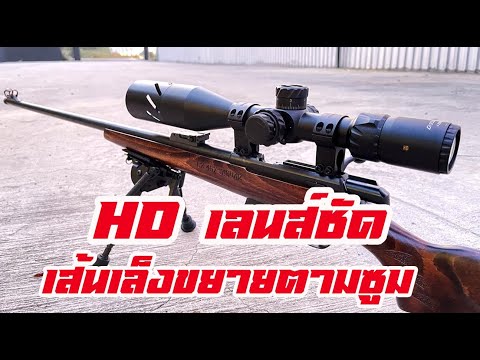
This guide details the proper procedure for zeroing a rifle for combat engagements. It emphasizes correct optic mounting, grouping to confirm fundamentals, understanding bullet drop compensators, and choosing between a 25-meter or 50-meter zero based on expected engagement distances. The instructor stresses the importance of confirming the zero at range and avoiding common mistakes like resting the barrel on supports.
This video provides expert recommendations on rifle zero distances for WROL/SHTF scenarios. The instructor, with 12 years of training experience, critiques common zero distances like 100 meters (deemed useless) and 36 meters (acceptable but not ideal for longer ranges). He strongly advocates for a 25-meter zero confirmed at 300 meters as the most versatile option, allowing for effective engagement from 0 to 600 meters with modern optics. A 50/200 meter zero is presented as a viable alternative specifically for urban or CQB environments.
This video features an interview with Ryan McBeth, a former anti-tank and heavy weapons infantryman, discussing the performance of commercial AR-15 rifles and their suitability for export to Ukraine. Key takeaways include the significant performance difference between 1:9 twist barrels and faster twists (1:8 and 1:7), with 1:9 being deemed inadequate for modern ammunition. The discussion also delves into the nuances of rifle zeroing, debunking the common trope of a 25-meter zero being perfectly aligned with the muzzle at 250 meters, and highlighting the importance of understanding bullet trajectory and stabilization.
The video discusses various methods for zeroing AR-15 platforms, with a strong emphasis on the 25-meter zero as a standard practice for achieving a Ballistic Zero (BZO) out to 300 yards. It acknowledges that other methods like 50-meter or 100-yard zeros exist and may be preferred based on specific mission requirements or shooter preference, but reiterates the effectiveness and training behind the 25-meter zero for general use.
This video provides a detailed guide on zeroing the Discovery HD 4-20x50 FFP rifle scope. It demonstrates how to adjust the scope's turrets for elevation and windage based on point of impact at 25 meters, and how to set the zero stop using a coin. The presenter also shows the scope's performance at 50 and 100 meters after zeroing, highlighting the clarity of the optics and the ease of adjustment.
This guide details a practical 'rough and fine' zeroing technique for the Discovery HD 3-12x44 SFIR scope, demonstrated by the presenter. It emphasizes aligning open sights with the scope's reticle for an initial zero, then using bullet impact to make precise adjustments via the turrets. The method includes setting the scope to zero after achieving accuracy at 25 meters.
This video examines the accuracy of the standard Army rifle zero, particularly the 300-meter zero. Instructor Chris from Regular Guy Training demonstrates that while the Army's zero may allow for qualification, it is not optimally accurate due to height over bore issues at closer ranges. He advocates for a zero that accounts for this, referencing the AMU manual for more precise methods to improve hit probability at various distances.
This guide details how to effectively zero an AR-15 platform rifle at 25 meters using Rite in the Rain's specialized all-weather targets. The targets feature clear windage and elevation adjustment grids tailored for both M4 carbines and M16A2/A4 rifles, simplifying the process of achieving a 300-meter effective range zero. The waterproof nature of the targets ensures durability and usability in any weather condition, making them a valuable tool for consistent marksmanship training.
You've reached the end! 8 videos loaded.
Gun Laws by State
Read firearms regulations for all 50 states + D.C.
Find Gun Dealers
Search licensed FFL dealers near you.