This guide details the basic operation and firing of a Model 1908 Mauser Short Rifle, as demonstrated by an experienced speaker. It covers loading the internal magazine, operating the bolt action, and firing the weapon, while also highlighting potential issues with old ammunition. The speaker's expertise in handling vintage firearms is evident throughout the demonstration.
This video provides an expert review of the Hotchkiss Portative light machine gun by Ian McCollum of Forgotten Weapons. It details the weapon's development, its adoption and use by various nations including the US and UK, and highlights specific features like its bipod and quick-change barrel system. The review emphasizes the gun's durability and historical significance, noting its use in early aerial combat.
This video provides an expert-level historical and technical deep dive into the Serbian Mauser 1910, presented by Othais, a recognized authority on historical military firearms. It details the rifle's unique design improvements over the standard Mauser 98, its geopolitical context, and its service history in the Balkan Wars and early WWI. The analysis includes detailed mechanical breakdowns and historical sourcing.
This video provides an in-depth review of the 1916 Spanish Mauser, manufactured by Fabrica De Armas Oviedo. The presenter highlights its historical significance, affordability as a Curio and Relic firearm, and its robust Mauser action. Key features discussed include its original 7mm Mauser (7x57mm) chambering, potential 7.62x51mm (.308 Win) chambering, use of stripper clips, adjustable sights, and a three-position safety. The presenter also touches on the varying condition of these rifles when purchased and the potential for modification, such as adding a Picatinny rail for optics.
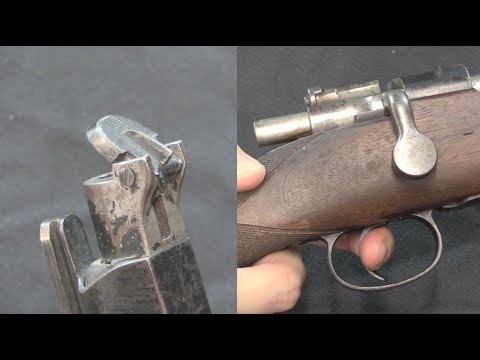
This video showcases an experimental muzzle cover modification on an 1893 Mauser rifle, chambered in 7mm Mauser (7x57mm). The device, integrated with the trigger mechanism, automatically lifts to reveal the front sight and muzzle when the trigger is pulled and retracts when released. While innovative for keeping the muzzle clean, the modification was not mass-produced, likely due to potential issues with premature firing.
This guide details how to test the accuracy of a 1895 Chilean Mauser in 7x57mm, focusing on understanding and compensating for its 400m battle sight. It covers setup, firing, and analysis of results, emphasizing stability with a shooting rest and aiming techniques for high-shooting sights. The instruction comes from Iraqveteran8888, a recognized authority in firearms.
You've reached the end! 6 videos loaded.
Gun Laws by State
Read firearms regulations for all 50 states + D.C.
Find Gun Dealers
Search licensed FFL dealers near you.