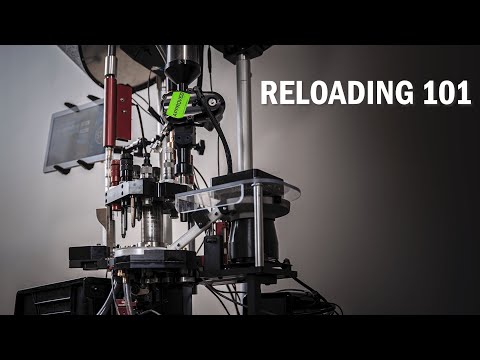
This video by Sully from Line 45 analyzes the current market trend of declining ammunition prices with stagnant sales in 2025. The primary drivers identified are economic strain on consumers, a shift towards smarter training methods like dry fire and reloading, and a diminished fear-based purchasing mentality. Shooters are now prioritizing value, efficiency, and strategic planning over panic buying.
Ben White of Tactical Fellowship outlines three key reasons to embrace reloading: saving money, achieving ammunition independence, and finding enjoyment in the process. He emphasizes that while initial equipment costs exist, long-term savings are realized, particularly with calibers like 45 ACP and 300 Blackout. Reloading is presented as a fundamental aspect of firearm freedom, akin to a personal ammunition factory, and a challenging yet rewarding skill that fosters personal growth and can be passed down through generations.
This guide details the operation of the Frankford Arsenal X10 10-station progressive reloading press. It covers the automated process of sizing, priming, powder charging, and bullet seating, highlighting the press's speed and efficiency for producing large quantities of ammunition. The guide also includes a crucial troubleshooting tip for managing excessive pressure during the reloading cycle.
This video provides a detailed cost breakdown for reloading ammunition, comparing it to factory-produced rounds. It outlines the initial investment in reloading equipment, including presses, powder measures, calipers, dies, primer tools, and scales, totaling $610. The cost for reloading supplies for 1,000 rounds (primers, powder, brass, bullets) is estimated at $375. The analysis concludes that while the initial outlay is significant ($985), reloading can be cost-effective over the long term, saving approximately $34.80 per 1,000 rounds, with a break-even point around 28,000 rounds. The primary benefits highlighted are consistent ammo availability and the ability to customize loads.
This video breaks down the cost-effectiveness of handloading ammunition, differentiating between cartridges where significant savings are possible and those where the cost is marginal. The instructor emphasizes that reloading primarily saves money if you maintain your current shooting rate, rather than increasing it. For common calibers like 9mm and .223, the savings are minimal after accounting for equipment and component costs, especially when compared to bulk factory ammunition. However, for larger hunting calibers like 6.5 Grendel and obscure cartridges, reloading can offer substantial cost reductions, allowing for the purchase of higher-quality bullets or covering reloading equipment costs.
This compilation showcases various reloading processes for common calibers like 9mm, .223 Remington, and .308 Winchester. It highlights the use of reloading presses from brands such as RCBS, Lee Precision, Hornady, and Dillon Precision. The video demonstrates the DIY aspect of ammunition creation, emphasizing the precision and control handloading offers.
This guide, presented by Brownells technical staff, emphasizes critical safety and best practices for new ammunition reloaders. It stresses the importance of using verified reloading manuals over internet data, starting with low powder charges, and understanding variations in brass and firearm specifications. Key takeaways include proper powder management, essential safety gear, meticulous record-keeping, and maintaining a clean workspace to prevent dangerous errors.
This video provides a beginner's overview of reloading ammunition using the Mark VII Revolution automated reloading press. It covers the decision-making process for reloading, including cost-effectiveness and performance benefits, and details the essential components of a cartridge. The guide walks through the ten stages of the Mark VII Revolution press, highlighting its automated features and safety sensors, and demonstrates the reloading process at a slow speed for clarity. The speaker, a beginner reloader, emphasizes the importance of safety and attention during operation.
This guide details the installation and operation of the AmmoBot system for automating a Dillon 1050 reloading press. The AmmoBot kit, including a motor, chain drive, stand, and control box, enhances reloading efficiency. The host, Jon Borkenhagen, emphasizes safety, recommending close monitoring and preparedness for malfunctions, even while running the system at a controlled speed of around 800 rounds per hour. This automation is best suited for experienced reloaders seeking to maximize time efficiency.
This guide details the process of reloading 9mm ammunition using the Lee Precision Classic 4-hole Turret Press, drawing on expert insights from Iraqveteran8888. It covers press setup, die installation, powder charging with the Auto-Disk measure, priming with Safety Prime, and bullet seating. A key recommendation is to manually index the press due to potential failure of the auto-indexing plastic gear, emphasizing practical advice for reliable ammunition production.
You've reached the end! 10 videos loaded.
Gun Laws by State
Read firearms regulations for all 50 states + D.C.
Find Gun Dealers
Search licensed FFL dealers near you.