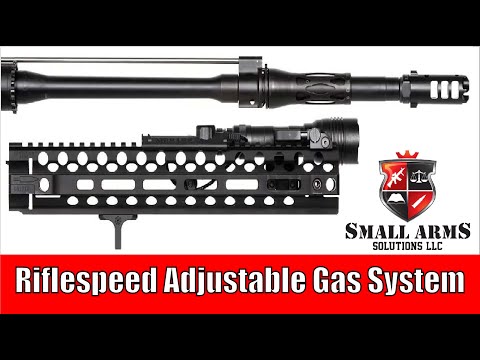
This video details various methods for attaching AR-15 gas blocks and front sight bases (FSBs), emphasizing the superior durability and reliability of the military-standard drilling and pinning method using taper pins. It contrasts this with clamp-on and set screw designs, highlighting their advantages for home builders and hobbyists but also their potential for migration and failure in demanding conditions. The instructor stresses that for critical applications, drilling and pinning is the only acceptable method, while other methods require careful installation and mitigation techniques like dimpling and Loctite.
This video compares the operating system of an Adams Arms piston-driven AR-15 to the AK-47's direct impingement system. It highlights how the piston system, using a reciprocating rod, keeps the bolt carrier group cleaner by venting gas and fouling away from the receiver. This design is noted as being particularly beneficial for suppressor use due to reduced gas blowback.
This guide details common issues encountered with budget AR-15 platforms, focusing on potential malfunctions and their causes. It covers gas port size and alignment, feed ramp issues, magazine catch installation, safety selector spring failures, broken forward assist assemblies, leaking gas keys, worn gas rings, and improperly machined bolt lugs. The information is presented from personal experience to help owners troubleshoot their firearms.
This video provides a comprehensive overview of AR-15 gas blocks, explaining their critical role in the direct impingement system. It details standard block types, attachment methods (set screw vs. clamp-on), barrel diameter considerations (0.625", 0.75", 0.93"), and the importance of proper fit to avoid rail interference. The guide also covers adjustable gas blocks for tuning recoil and suppressor performance, while cautioning they add potential failure points.
This guide details the proper installation of AR-15 gas blocks that utilize set screws. It emphasizes the importance of barrel dimples for secure mounting and compares the effectiveness of knurled tip versus cup tip set screws. Proper thread locker selection and application are crucial for preventing loosening and ensuring consistent firearm performance.
This live stream features discussions on AK vs. AR platforms, handgun choices for EDC, ammunition recommendations, and AR-15 build components. The host, with law enforcement experience, shares insights on firearm reliability, practical applications, and personal preferences, emphasizing training and responsible ownership. Topics also touch on political figures and current events within the firearms community.
This video provides an in-depth look at the RifleSpeed fully adjustable gas system, highlighting its user-friendly, tool-less adjustment mechanism with 12 numbered settings. The presenter demonstrates how to tune the system for optimal performance both suppressed and unsuppressed, emphasizing the importance of specific settings for different ammunition types and environmental conditions. The review showcases its effectiveness in resolving severe over-gassing issues on various platforms, including a .308 rifle.
This guide addresses the myth of needing to pin an AR-15 gas block. While pinning offers superior durability, clamp-on or set-screw gas blocks are more modular and easier for home builders. The video demonstrates using set screws with a dimpled barrel for secure installation, with an option for pinning as an extra layer of security.
This video provides an in-depth review of the Cotton Arms adjustable gas block, highlighting its affordability and functionality for AR-15 and AR-10 platforms. The instructor details its construction from 4140 steel, its low-profile design, and the ease of side-mounted adjustment. He shares extensive real-world testing data, demonstrating how to tune the gas block for optimal cycling with various ammunition types, including steel-cased rounds, and discusses potential long-term maintenance concerns like carbon buildup.
This guide details expert techniques for removing various threadlocking compounds from firearm fasteners, as demonstrated by Dave Timm. It covers strategies for low, medium, and high-strength threadlockers, including chemical de-bonders and heat application, emphasizing the importance of identifying the correct compound for effective removal. Instruction is provided by a recognized instructor from Guns & Tactics.
You've reached the end! 11 videos loaded.
Gun Laws by State
Read firearms regulations for all 50 states + D.C.
Find Gun Dealers
Search licensed FFL dealers near you.