This video features Shortshot Tony, a tactical gear reviewer, conducting live-fire ballistic testing on AR500 steel plates to assess the effectiveness of spall coatings. The experiment demonstrates that while uncoated plates can produce significant spalling, a spall-resistant coating, especially when used within a plate carrier, effectively contains fragmentation.
This video tests Fire Quest armor-piercing shotgun ammunition against AR500 SA2 steel armor. The test reveals that while the ammunition left a mark, it failed to penetrate the AR500 steel. The armor's rating for 'penetrating threats' or 'green tips' provided additional defense.
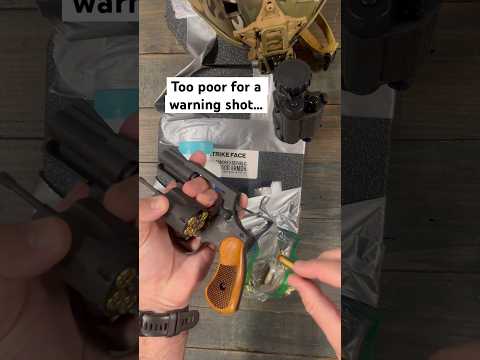
This video showcases a humorous 'Bubba' loadout featuring a Smith & Wesson snub-nose revolver and improvised tactical gear. It highlights a satirical approach to everyday carry and self-defense, blending gaming culture references with practical firearm components like .38 Special ammunition and AR500 armor.
This video tests the penetration capabilities of M855A1 and M193 ammunition against AR500 steel armor using various AR-15 barrel lengths (14.7", 16", 18", and 20"). The results indicate that M855A1 can penetrate AR500 with a 20-inch barrel but is stopped by a 14.7-inch barrel. M193 penetrates AR500 with 18-inch and 20-inch barrels but is stopped by a 16-inch barrel. The presenter concludes that AR500 may not be reliable against standard ball ammunition from longer barrels, favoring ceramic armor.
This video breaks down the National Institute of Justice (NIJ) body armor standards into five levels based on ballistic performance. It explains that as performance increases, so does the level. The instructor notes that Level IIA and Level II are handgun-rated but less common due to advancements in materials, with most consumers and companies opting for Level IIIA and above.
This video demonstrates a ballistic test comparing M193 5.56x45mm ammunition fired from a 20-inch barrel AR-15 against an AR500 steel plate at 15 yards. The test, conducted by Karl Kasarda of InRangeTV, utilizes a KE Arms KP-15 lower receiver and a Trijicon ACOG optic. High-speed footage captures the projectile impact, providing technical insights into the performance of the ammunition against hardened steel.
This video from InRangeTV demonstrates a ballistic test comparing M855A1 5.56mm ammunition against AR500 armor plate. The test, conducted at 15 yards on an outdoor range, shows the M855A1 round impacting the steel plate, causing significant flexing. A water jug placed behind the armor ruptures upon impact, indicating substantial energy transfer. The demonstration highlights the performance characteristics of both the ammunition and the armor under specific conditions.
This guide, drawing on the expertise of Elliott Delp, a gear reviewer with 3-4 years of testing experience and tactical training, compares plate carriers across different price points. It details the pros and cons of budget options like the Yakeda ($80), mid-range choices such as the AR500 Testudo Gen 2 ($170), and high-end systems like the HRT RAC Carrier ($600). The review emphasizes the importance of build quality, modularity, and features like padding and placard systems for serious use.
This video from Civilian Tactical provides expert guidance on what to do with older steel body armor. The host, demonstrating high authority and practical expertise, suggests repurposing old plates by placing them in an affordable carrier like the Armored Republic Veritas. This creates a 'buddy setup' for a companion, while also highlighting the superior protection offered by modern Level 4 ceramic plates against threats like 7.62x54R AP rounds.
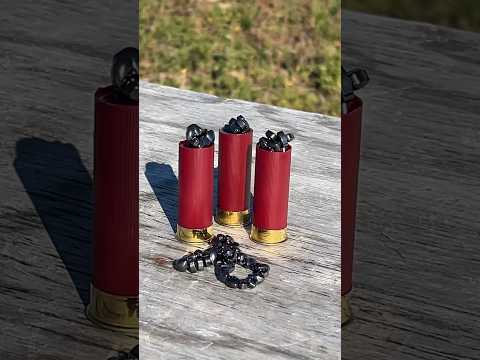
This guide details a method for testing the effectiveness of crystal-loaded shotgun shells, as demonstrated by Civilian Tactical. The process involves using various targets like paper, water bottles, and ballistics gel to assess spread, energy transfer, and penetration depth. The results indicated that the crystal shells shattered upon impact, acting similarly to cut shells and achieving approximately 50% of the depth required for a 'deadly' rating in ballistics gel.
This video demonstrates a test of magnetic buckshot's effectiveness, featuring a Maverick 88 shotgun with custom Woox Gladiatore furniture. The host, exhibiting high authority and an experimental tone, uses a comprehensive test setup including paper targets, water bottles, and ballistics gel to assess spread, accuracy, and lethality. The results suggest magnetic buckshot is significantly dangerous, though not definitively 100% lethal.
This guide details the proper procedure for donning and sealing a gas mask, emphasizing the importance of a secure fit for effective protection. The Civilian Tactical host, demonstrating expertise in tactical gear and survival, highlights key steps like preparing the face for a seal and correctly tightening the harness. Proper mask usage is crucial for survival scenarios, especially when dealing with organic gases, vapors, or smoke.
Gun Laws by State
Read firearms regulations for all 50 states + D.C.
Find Gun Dealers
Search licensed FFL dealers near you.