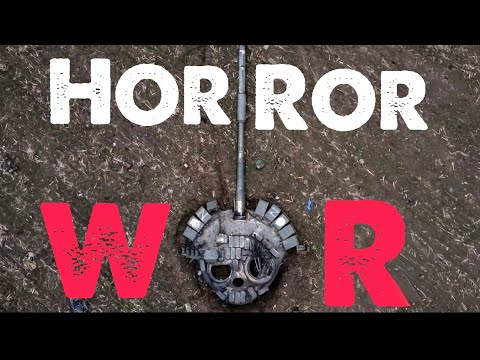
This video, featuring insights from a military veteran and tactical instructor, delves into the brutal realities of modern warfare, specifically near-peer conflict as depicted in the '2000 Meters to Andriivka' documentary. It covers the psychological impact of combat, the importance of stress inoculation training, and the critical need for medical proficiency. The discussion also touches on the harsh battlefield conditions and warns against the glorification of war, emphasizing intentional living.
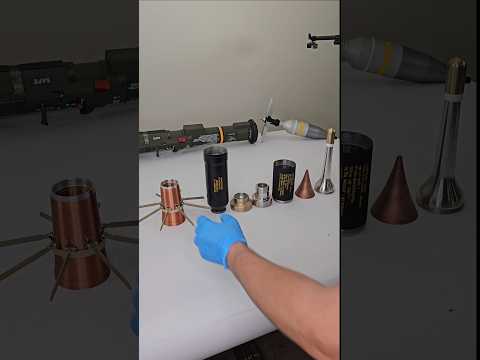
This video details the assembly of the 83mm Mark 6 High Explosive Anti-Armor (HEAA) rocket, used in the SMAW system. It highlights the spring-loaded fin assembly for stabilization, the motor and warhead sections, and the crucial copper shaped charge liner designed to penetrate heavy armor. The demonstration concludes with live-fire footage of U.S. Marines using the SMAW.
This video showcases the intricate process of engraving a bronze light artillery piece. The footage features Mike Miller meticulously working on the historical firearm at Martin's Station, located within Wilderness Road State Park in Virginia. The description highlights the specific location and the individual performing the engraving, emphasizing the artistry involved in customizing firearms.
This video showcases the M142 HIMARS, a high-mobility artillery rocket system, launching 227mm rockets. It highlights the system's technical specifications, including its chassis, capacity, speed, and operational range. The commentary offers a satirical take on historical events, presented with high energy by influencer Nikko Ortiz, who demonstrates significant knowledge of military equipment.
This guide details the operation of the Hotchkiss Model 1886 3-pounder Quick Firing Gun, covering its breech loading mechanism, firing procedure, and recoil system. It highlights the gun's historical significance as an early quick-firing weapon and its use in coastal defense. The instruction emphasizes the vertical sliding breech block, self-contained cartridges, and the hydraulic soft recoil mount for effective operation.
This entry details the operation of the Hotchkiss Model 1886 3-pounder Quick Firing Gun, as explained by Ian McCollum of Forgotten Weapons. It covers the vertically traveling breech block, integrated extractor/ejector, loading procedure for the 3-pounder shell, and the dual trigger system (pistol grip and remote). The high authority level of the speaker is evident in the detailed mechanical explanations.
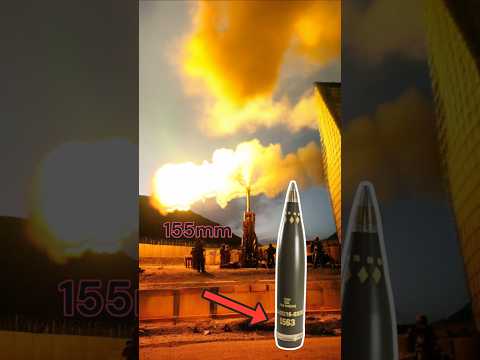
This video provides an expert-level demonstration of the disassembly of an M483A1 DPICM (Dual-Purpose Improved Conventional Munition) 155mm artillery projectile. The presenter, identified as a specialized collector and ordnance expert, details the process of removing the base plate and nose fuse, offering insights into the projectile's internal construction and its function as a carrier for submunitions. The video also includes a comparison with the M549 Rocket Assisted projectile and archival footage of a 155mm howitzer in action.
This video details the manual roll marking process for a 155mm artillery projectile, specifically the M483A1 variant. It highlights the application of yellow identification markings using a stencil and ink pad. The content also includes footage of a self-propelled howitzer firing and projectile impacts, showcasing the ordnance in action.
This video announces the 'Battle Rifle One' course, scheduled for mid-to-late September at the Montgomery County Shooting Complex in Clarksville, Tennessee. The course focuses on engaging targets from 50 to 300 meters, emphasizing not only marksmanship at these distances but also the critical battlefield mindset. It covers tactical roles like the designated marksman and automatic rifleman, and strategies for dealing with threats such as drones, artillery, and snipers, all aimed at preparing individuals for effective team training.
This video showcases an intriguing 8-inch cannon shell developed by the Marine Corps in the 1950s and 60s. The description highlights its intended use in an automatic cannon, but a critical design flaw related to heat buildup caused rounds to prematurely detonate, preventing its successful development. The content creator asks viewers if they have encountered this historical ordnance before, sparking curiosity about this failed military project.
This video segment highlights a critical safety failure during mortar operations where a round was loaded incorrectly. The speaker, Nikko Ortiz, a former U.S. Army soldier, points out the dangerous situation, emphasizing the importance of correct procedures in handling explosive ordnance. The clip serves as a stark reminder of the potential consequences of errors in military training and equipment handling.
Gun Laws by State
Read firearms regulations for all 50 states + D.C.
Find Gun Dealers
Search licensed FFL dealers near you.