The FN SCAR 15P is presented as a superior 'truck gun' solution compared to traditional AR-style short-barreled rifles due to its folding stock, which allows for a significantly smaller profile when stowed. This feature is crucial for maneuverability in confined spaces like vehicles. While 223 Wylde from a short barrel is loud and concussive, the video notes that adrenaline can mitigate these effects, making the compact rifle caliber capability a worthwhile trade-off for many.
This video evaluates the FN SCAR 15P as a potential truck gun, comparing its 'sci-fi' refinement to the 'caveman' brutality of the Micro Draco. It highlights the SCAR 15P's compact size, maneuverability, and familiar AR-like controls, while acknowledging trade-offs in blast, cost, and velocity loss from its short barrel. The discussion emphasizes choosing a truck gun based on individual priorities, training, and tolerance for compromise.
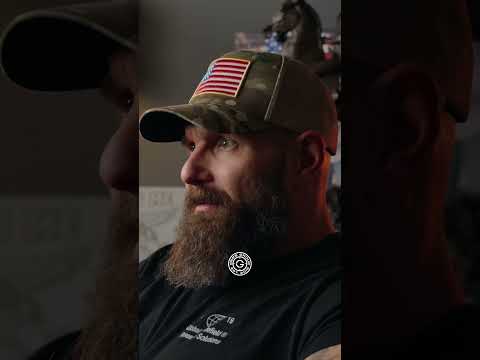
This video features DJ Shipley of GBRS Group discussing the practical reality of hearing protection in high-stress environments. He highlights that while ear protection is crucial for sustained shooting, it's often not a priority or even considered during immediate tactical engagements for law enforcement or in combat scenarios due to adrenaline and the nature of the threat. The focus is on the situational awareness and immediate action required, often overriding concerns about noise damage in critical moments.
This guide details an experiment to test the effectiveness of a plastic bottle as a makeshift firearm silencer, debunking a common Hollywood trope. It covers firearm preparation, attachment methods, and the testing procedure, emphasizing firearm safety throughout. The experiment, led by former CIA Officer Jason Hanson, demonstrates the impracticality and ineffectiveness of such DIY suppressors.
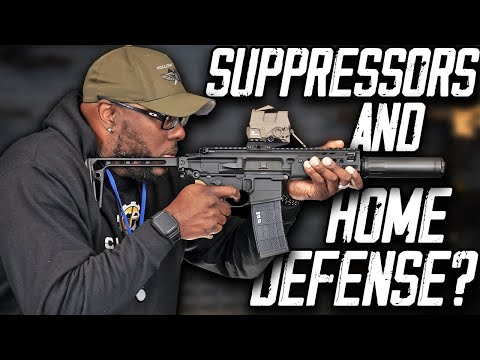
This YouTube video from Classic Firearms explores the question of whether a suppressor is necessary for home defense, focusing on the phenomenon of auditory exclusion. The video aims to inform viewers about the practical considerations of using suppressors in a defensive scenario, particularly in relation to hearing protection and the body's natural response to high-stress situations. It also promotes the channel's other platforms, including their main channel, podcast, and social media.
This video explores the pros and cons of using a suppressor for home defense. It details how suppressors reduce flash and noise, aiding in communication and reducing disorientation. However, it also highlights drawbacks like increased firearm length, potential reliability issues, and the need for specific ammunition or accessories like boosters for handguns. The decision is presented as subjective, depending on individual circumstances and preferences.
This video provides a tactical breakdown of a law enforcement encounter with an armed suspect, featuring analysis from experts John Correia and Mike Willever. It covers the confrontation, weapon identification, and critical tactical considerations like weapon-mounted lights and stress response during high-stakes situations. The analysis highlights the importance of training and preparedness for officers facing armed threats.
This video critically examines the practicality of competition shooting, specifically USPSA, for real-world self-defense scenarios. Instructor Mike argues that while competition shooting develops speed and accuracy, its focus on points and predictable targets doesn't translate effectively to the unpredictable nature of actual threats. He emphasizes the importance of training that accounts for stress, dynamic environments, and the varied outcomes of defensive engagements beyond simply hitting an 'A-zone'.
Instructor Mike introduces the SMASH (Shoot and Move Around Till Something Happens) system, emphasizing realistic target training. The system utilizes targets that fall after multiple hits, simulating the unpredictable nature of real-world engagements where the number of shots required to neutralize a threat is unknown. This method aims to train the shooter's brain to stop firing based on visual cues of the target falling, rather than external commands or shot counting, which are often absent or unheard under stress due to auditory exclusion and tunnel vision.
This video explains why police officers often do not wear hearing protection during active shootings, citing a lack of time and the physiological phenomenon of auditory exclusion due to adrenaline. It highlights that specialized units may use protection due to preparation time, while patrol officers must react immediately. The speaker, Johnny Q, demonstrates tactical gear, including a Vaughn Armor plate carrier, reinforcing his expertise.
This video from Tactical Hyve highlights the critical importance of using a loud, clear voice in high-stress tactical situations. The instructor demonstrates how verbal commands, combined with physical actions, can overcome auditory exclusion caused by stress and maintain control. This technique is essential for law enforcement and security personnel operating in chaotic environments.
This video from Locs N Load Firearm Reviews provides an educational overview of the physiological effects of adrenaline and endorphins during a self-defense shooting. It details how these stress responses can impact manual dexterity, perception (tunnel vision, auditory exclusion, slow motion), memory, and potentially lead to false memories. The instructor emphasizes that these are natural survival reflexes and understanding them can help individuals manage their response during a high-stress event.
Gun Laws by State
Read firearms regulations for all 50 states + D.C.
Find Gun Dealers
Search licensed FFL dealers near you.