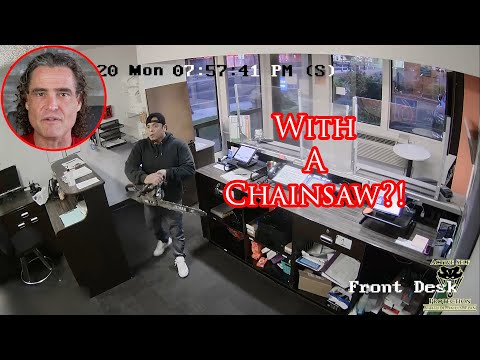
This video from Active Self Protection analyzes a critical incident in Sparks, Nevada, where law enforcement was forced to stop a man wielding a chainsaw at a Motel 6. Featuring insights from 30-year law enforcement veteran John Correia and instructor Mike Willever, the analysis covers the suspect's aggressive actions, the police response, and the justification of deadly force when a vehicle is used as a weapon. The content emphasizes tactical lessons for both law enforcement and private citizens regarding self-defense and legal use of force.
This video analyzes a piece of law enforcement bodycam footage from the Volusia County Sheriff's Office, featuring an Axon Body 2 camera. Social media influencer Nikko Ortiz provides a satirical and critical commentary, comparing the incident to the George Floyd case and expressing disbelief. The video highlights the intensity of police interactions and the use of physical force during suspect apprehension.
This entry analyzes a police bodycam incident, highlighting the tactical implications of a suspect reaching for their waistband. Nikko Ortiz, a high-influence military/tactical commentator, assesses the situation, emphasizing that such actions can justify a lethal force response based on established police use-of-force protocols. The analysis focuses on threat identification and the critical decision-making process during high-stress encounters.
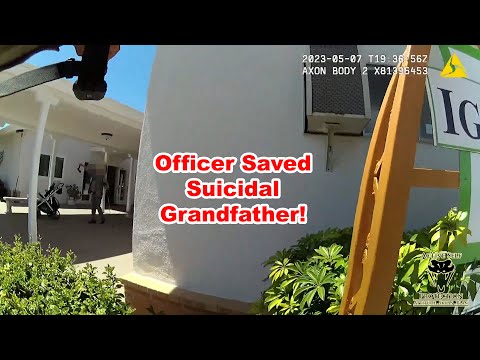
This video from Active Self Protection analyzes an incident where law enforcement officers responded to a disoriented and dangerous individual. Hosts John Correia and Mike Willever, with backgrounds in self-defense instruction and law enforcement, break down the officer's tactical decisions, emphasizing de-escalation and patience. The analysis highlights the importance of recognizing mental health crises and the benefits of community involvement in resolving such situations safely.
This video from Active Self Protection, featuring John Correia and Mike Willever, analyzes a critical incident involving the Long Beach Police Department. It breaks down a confrontation where officers were forced to use deadly force against an armed suspect who made a furtive gesture towards his firearm. The analysis highlights tactical positioning, communication, and the justification of use-of-force in a high-stress scenario.
This video breaks down a critical incident where an officer engaged a rifle-wielding assailant. It highlights the effectiveness of a duty pistol against a rifle in close quarters and emphasizes the importance of officer mindset, tactical positioning, and marksmanship. The analysis, presented by Active Self Protection, offers valuable lessons for law enforcement and self-defense practitioners.
This video from Active Self Protection analyzes a law enforcement incident where a deputy purposefully shot an armed subject in the leg. Hosts John Correia and Mike Willever, drawing on their extensive experience, discuss the tactical decision-making behind using a rifle round as a less-lethal option to stop an impending threat. The analysis highlights the importance of immediate medical intervention, specifically the application of a CAT-style tourniquet, following such engagements.
This video from Active Self Protection analyzes a critical incident where officers responded to a belligerent individual at a wedding. The analysis, led by John Correia and Mike Willever, highlights tactical errors, including premature Taser deployment and the officer-involved shooting that followed. The content emphasizes the importance of de-escalation and understanding use-of-force legal standards.
This analysis breaks down a critical law enforcement encounter involving a mentally disturbed individual in Fairfax County, Virginia. It examines the sequence of events, including the deployment and effectiveness of a Taser, tactical considerations like threat identification in low light, and the justification for the use of lethal force. The video highlights the complexities officers face in volatile situations.
This video from Active Self Protection analyzes a critical incident where officers encountered a hidden threat within a stolen minivan. The analysis, led by John Correia and Mike Willever, highlights the importance of thorough vehicle clearing, tactical movement for cover, and immediate post-engagement first aid. The incident underscores the unpredictable nature of law enforcement encounters and the need for officers to be prepared for sudden armed confrontations.
This video details a critical incident where deputies responded to a tenant armed with a knife during an eviction. The analysis highlights the escalation from verbal commands to the deployment of less-lethal options, ultimately leading to lethal force. Expert commentary from John Correia and Mike Williever emphasizes the importance of tactical decision-making, the challenges of high-stress encounters, and the necessity of trauma medical preparedness.
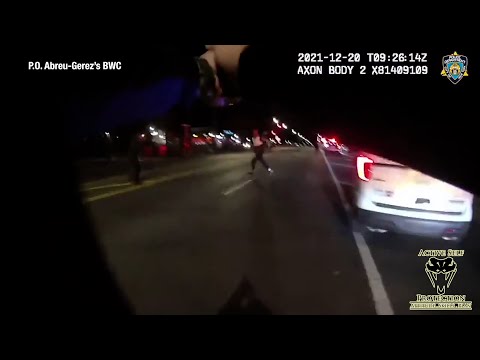
This video from Active Self Protection analyzes an NYPD officer-involved shooting where officers engaged a suspect armed with a knife. The analysis, led by John Correia, highlights the critical importance of maintaining a reactionary gap and utilizing discretionary time effectively. It breaks down the engagement, emphasizing movement, shooting mechanics under stress, and the transition from de-escalation to lethal force when faced with an immediate threat.
Gun Laws by State
Read firearms regulations for all 50 states + D.C.
Find Gun Dealers
Search licensed FFL dealers near you.