This video from Active Self Protection analyzes a critical incident where a shoplifting suspect escalated to violence, leading to an officer-involved shooting. It highlights the importance of situational awareness in transitional spaces like Walmart, the legal standards for use of deadly force against fleeing felons (citing Graham v. Connor and Tennessee v. Garner), and the tactical considerations for law enforcement when facing an armed and dangerous suspect. The analysis emphasizes the irrationality of escalating a minor offense into a life-threatening situation.
This video features Nikko Ortiz, who possesses high authority and expertise in tactical environments, offering a critical perspective on hostage negotiators. He suggests that some negotiators suffer from ego, believing they can resolve any situation and are quick to assign blame when outcomes are unfavorable. The content touches upon tactical team setups and the initial stages of a negotiation, highlighting the use of Axon Body 3 bodycams in law enforcement scenarios.
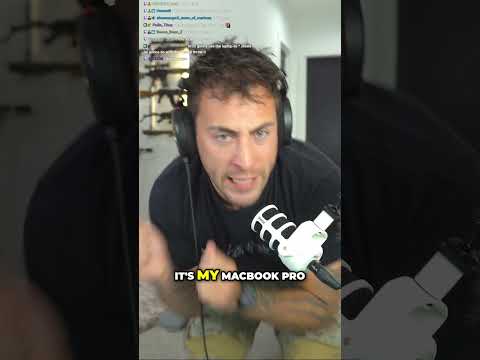
This video features Nikko Ortiz, a tactical lifestyle influencer, critically analyzing police training. He uses bodycam footage of an officer overreacting to a suspect with a laptop to highlight perceived deficiencies in police academy curricula. Ortiz argues for more high-stress, scenario-based training to improve officer composure and response in real-world situations.
This entry details tactical lessons derived from an NYPD badge cam incident, emphasizing the importance of recognizing suspect indicators like 'protecting' gait and the need for visible hands. It critiques departmental equipment failures, such as the lack of lapel mics and outdated radio holsters, and discusses marksmanship considerations like red dot sights. The analysis is presented with the authority of an experienced firearms instructor, offering critical insights into real-world law enforcement scenarios.
This video analyzes a use-of-force incident captured on an Axon Body 3 camera in Akron, Ohio. Experts John Correia and Mike Willever critically examine the officer's actions, the suspect's behavior, and the tactical decisions made. They discuss the 'totality of circumstances,' the concept of 'furtive gestures,' and the officer's marksmanship, highlighting the importance of de-escalation and proper training in high-stress situations. The analysis emphasizes the critical review of split times and hit ratios in officer-involved shootings.
This analysis, drawing on insights from experienced tactical instructors, breaks down a critical incident involving a suspect armed with a knife and police response. It highlights the limitations of legacy CEW technology like the Taser X26, emphasizing the importance of proper transition to a firearm and effective shooting mechanics to minimize collateral damage. The expert commentary stresses tactical awareness and the need for officers to adapt their approach based on evolving threats.
This video provides a critical analysis of a Los Angeles Sheriff's Department response to an armed robbery. Featuring insights from John Correia and Mike Willever, it breaks down the tactical decisions made, including the use of a ballistic shield, the 'phalanx' formation, and the controversial deployment of less-lethal options against a suspect armed with a long gun. The assessment highlights critical errors in shield work and marksmanship under stress, emphasizing the importance of lethal force readiness when facing immediate deadly threats.
This video from Active Self Protection analyzes a San Francisco police encounter where a suspect pointed a firearm at officers. The analysis highlights the tactical advantages of drone surveillance, the critical importance of proper marksmanship and zeroing for patrol carbines, and the immediate application of medical aid, including tourniquets, in critical incidents. The expert breakdown emphasizes situational awareness and adherence to use-of-force protocols.
This video provides a tactical breakdown of an officer-involved shooting in Niles Township, Michigan, analyzed by law enforcement veteran Mike Willever. It highlights the critical danger of 'hidden hands' and emphasizes the importance of rapid threat assessment and transition between less-lethal and lethal force options. The analysis includes reaction time comparisons, malfunction clearance, and essential post-incident procedures (TAP-IFS), offering valuable insights for law enforcement training.
This video analyzes a critical incident where a deputy engaged an armed suspect through a vehicle windshield. The analysis, led by John Correia and Mike Willever, highlights the unpredictable nature of firing through laminated glass and discusses the tactical necessity of creating a 'porthole' to mitigate bullet deflection. It emphasizes the bravery of the deputy while also pointing out areas for tactical improvement in communication and shooting from a vehicle.
This video analyzes a rare officer-involved shooting in Mammoth Lakes, California, involving a suspect armed with rocks. The analysis, presented by John Correia and Mike Willever of Active Self Protection, breaks down the tactical decisions, the lethality of rocks as weapons, and the psychological impact on officers. It highlights the rapid escalation of the threat and the justification for deadly force based on immediate danger.
This analysis breaks down a critical incident in Santa Ana, California, involving an armed suspect and police officers. Experts John Correia and Mike Willever provide insights into officer performance, firearm malfunctions (specifically a feedway stoppage on the suspect's Glock), bystander safety during pursuits, and tactical reloading techniques. The discussion highlights the importance of situational awareness and proper firearm maintenance under stress.
Gun Laws by State
Read firearms regulations for all 50 states + D.C.
Find Gun Dealers
Search licensed FFL dealers near you.