This video details the process of restoring a rusted flintlock musket that was not functioning. The presenter walks through the disassembly, thorough cleaning using specialized solvents and brushes, lubrication, and reassembly of the firing mechanism. The guide culminates in successfully firing the musket after addressing rust and fouling, demonstrating proper loading and priming techniques for black powder firearms.
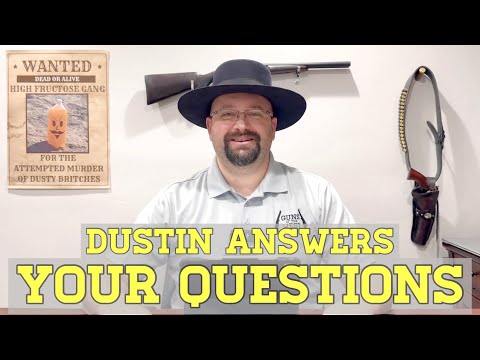
This video addresses frequently asked questions about black powder firearms, covering cleaning protocols, specific firearm quirks like Colt revolvers shooting high, cap jam solutions, and the use of paper cartridges in both revolvers and rifles. It also touches on modern revolver cleaning, ultrasonic cleaning, lead exposure during ammo preparation, and sourcing black powder components. The presenter, Dustin from Guns of the West, offers practical advice based on his experience.
This compilation from Cranky Gun Reviews features clips from Paul Harrell, offering insights into firearms safety, home defense scenarios, and marksmanship fundamentals. Harrell emphasizes situational awareness, proper ammunition selection, and the importance of understanding firearm mechanics. The clips also touch upon concealed carry considerations, firearm maintenance, and the use of specialized shooting gear like jackets.
This video demonstrates the loading and firing process for a Springfield 1855 percussion muzzleloader. It covers the use of black powder and .58 caliber Minié balls, emphasizing proper loading techniques and safety. The presenter also discusses the historical significance of the rifle and offers advice on firearm enthusiasm and critical thinking.
This guide, informed by gunsmiths Steve and Caleb from Brownells, debunks the myth that all firearms need cleaning after every use. It clarifies that modern firearms can tolerate more use between cleanings, especially in clean conditions. However, immediate cleaning is crucial after exposure to harsh environments like salt or mud, and older designs like the M1 Garand or M14 may still require more frequent attention. Black powder firearms remain an exception, necessitating cleaning after each firing session.
This video features hickok45 demonstrating the cleaning of a black powder Colt Single Action Army revolver from 1884, emphasizing the importance of soaking it in Ballistol to neutralize corrosive residues. He also provides initial impressions of the Ruger LCP Max in .380 ACP, noting its shootability and potential for trigger pinch. The content highlights the contrast between historical firearms and modern handguns, discussing their respective roles and appeal.
This guide, presented by InRangeTV, details the expert-level cleaning of a flintlock pistol with a brass barrel. It emphasizes the simplicity of black powder firearm cleaning compared to modern counterparts, highlighting the use of hot water and specific tools like Ballistol for effective fouling removal and rust prevention. Key steps include disassembling the lock, flushing the barrel with hot water, and carefully lubricating components while ensuring the frison remains dry.
This video focuses on the application of ultrasonic cleaning specifically for cap and ball revolvers. The title indicates a practical demonstration or guide on using ultrasonic cleaning technology for these historical firearms. The description is currently unavailable, but the title strongly suggests a maintenance and care-focused video aimed at owners of cap and ball revolvers.
This guide details the historical field cleaning methods for US Civil War rifle-muskets, specifically the 1853 Enfield and 1861 Springfield. Instructor Karl Kasarda, demonstrating high expertise, emphasizes a simple, water-based approach using minimal tools, contrasting it with modern cleaning complexities. The process involves soaking the bore to dissolve black powder fouling, followed by rinsing, drying, and lubricating with Ballistol.
This guide provides a detailed, step-by-step process for cleaning a Hawken rifle, applicable to most muzzle-loading firearms. It covers disassembly, thorough cleaning of the bore and action using specialized tools and cleaning solutions like 'Moose Milk' and Ballistol, and proper reassembly. The instruction emphasizes practical techniques, including flushing fouling and protecting against rust, drawing on extensive experience.
This guide details a methodical approach to cleaning a Cap-and-Ball revolver, as demonstrated by Dustin Winegar. It emphasizes safety, the use of specialized cleaning solutions like 'Moose Milk' (water and Ballistol), and techniques for neutralizing black powder fouling with hot water and thorough lubrication. The process includes specific steps for cleaning the bore, cylinder chambers, and nipples, along with reassembly tips using anti-seize on nipple threads.
Dustin Winegar from Guns of the West provides a detailed guide on cleaning black powder firearms, emphasizing that it's less daunting than often perceived. He demonstrates the process on a Pietta 1873 single-action revolver, detailing the use of 'moose milk' (Ballistol and water) for cleaning and straight Ballistol for lubrication and rust prevention. The guide covers cleaning the cylinder, frame, bore, and smaller parts, highlighting the importance of prompt cleaning due to the corrosive nature of black powder residue.
Gun Laws by State
Read firearms regulations for all 50 states + D.C.
Find Gun Dealers
Search licensed FFL dealers near you.