This video examines the Maxim Silverman Model 1896 Automatic Pistol, highlighting its ergonomic design and simple internal mechanics. The presenter notes that the pistol's primary limitation was its chambering in the powerful 7.63 Borchardt cartridge, which ideally requires a locked breech system. The discussion also touches on the pistol's single-action operation and the unique bolt cycling mechanism.
This podcast episode covers a range of topics including firearm maintenance, self-defense considerations, and product discussions. The host, The Yankee Marshal, addresses viewer questions on topics like the difference between Beretta 92 locking block and blowback pistol designs, the effectiveness of a .38 Special against bears, and recommendations for .44 Magnum self-defense firearms. He also touches on issues with Kimber CDS9 magazines and the benefits of optics-ready firearms.
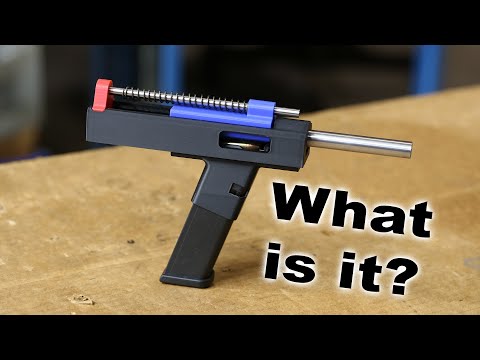
Mark Serbu demonstrates a 3D-printed fixture designed to test various magazine catch positions for blowback-operated pistols. The fixture allows for precise adjustments in both vertical and horizontal planes, enabling the user to find the optimal position for reliable feeding. By incorporating weight into the simulated bolt, the fixture helps analyze the momentum required for successful chambering, with high-speed video used to observe the feeding dynamics.
This video provides an expert review of the Sig Sauer P230, a classic .380 ACP pistol. James Reeves, a recognized firearms expert, details its historical lineage from the Sauer 38H, its design evolution, and its adoption by various international law enforcement agencies and potential use by the British SAS. The review highlights its concealed carry features, trigger characteristics, and compares it to modern alternatives, ultimately concluding it remains a charming and effective choice despite its age.
This live Q&A session covers a wide range of firearms topics, including magazine recommendations, rifle component compatibility, historical firearms analysis, and ammunition availability. The host, a firearms instructor, discusses specific models like the Duramag, LWRC rifles, FN's production of M16s/M4s, and the Beretta ARX. He also addresses common concerns such as AK vs. AR reliability, the impact of barrel length on ballistics, and the current ammunition shortage.
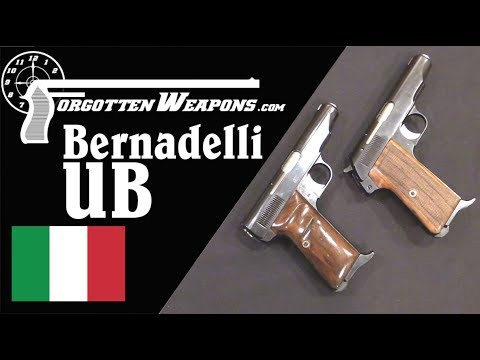
This guide details the disassembly and inspection process for the Bernardelli UB, a rare 9mm blowback pistol. It covers safety checks, component removal, cleaning, and reassembly. The video highlights the pistol's unique dual buffer spring system and its historical context. Expert instruction from Ian McCollum of Forgotten Weapons is provided.
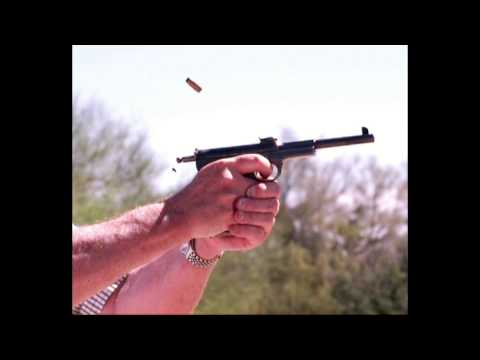
This video analyzes an interesting extractor failure on a Schwarzlose 1898 pistol using slow-motion footage. The description discusses the necessity of extractors in firearms, noting that some early blowback pistols and later Spanish models functioned without them, relying on residual chamber pressure. The Schwarzlose 1898, however, is equipped with an extractor that malfunctioned in this shooting session. Two instances that appeared normal in real-time were revealed as extractor failures upon reviewing the high-speed footage, making them an excellent case study.
This review of the Polish Radom P-64 by Mrgunsngear provides an expert-level look at a surplus 9x18 Makarov pistol. The video details its history, technical specifications, and performance, including a thorough field-stripping demonstration. It highlights the P-64's low cost, reliability, and suitability for concealed carry, while also addressing its sharp recoil and heavy double-action trigger pull.
You've reached the end! 8 videos loaded.
Gun Laws by State
Read firearms regulations for all 50 states + D.C.
Find Gun Dealers
Search licensed FFL dealers near you.