This video demonstrates the use of the Brownells AR-15 Buffer Tube Lower Receiver Fixture for simplifying buffer tube installation. The fixture securely holds the lower receiver via the grip screw and provides an adjustable, self-aligning support for the buffer tube, ensuring vertical alignment during tightening. This tool also offers additional benefits for staking the castle nut and can be used for other receiver tasks like installing pins and the grip.
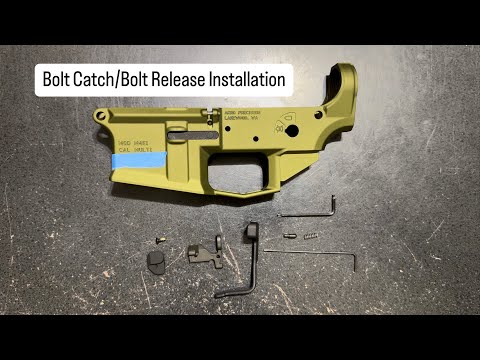
This guide details the process of installing a bolt catch/bolt release on an AR-15 lower receiver. It covers using the correct screw or roll pin, the importance of the spring, and the application of Loctite for security. The instructions are suitable for beginners and emphasize proper alignment and feel for correct installation.
This guide details the installation of the T-REX Arms AR-15 lower parts kit. It covers the step-by-step process for installing essential components like the safety selector, magazine release, bolt catch, trigger group, and buffer tube assembly. The video emphasizes proper tool usage and techniques to ensure a correct and safe build, particularly highlighting the installation of the trigger group and the critical staking of the castle nut.
This guide details common mistakes made during AR-15 lower receiver assembly, as explained by Steven Caleb from Brownells. It covers preventing damage to the trigger guard ear, avoiding scratches during bolt catch pin installation, correctly orienting the hammer spring, and the importance of using the right tools. Following these steps ensures a properly functioning and aesthetically sound firearm.
This guide details the installation of an AR-15 bolt catch assembly, a crucial step in completing your rifle build. It outlines the necessary tools, including specific punch sizes and a mini hammer, and provides a four-step process for securely fitting the bolt catch, spring, plunger, and roll pin. The video emphasizes using specialized starter punches to prevent damage to the receiver.
This video provides a detailed, step-by-step guide on how to upgrade an M&P-15 and similar AR-platform rifles. It covers the removal of the OEM gas block, installation of a free-float handguard, replacement of the Mil-Spec trigger, and the installation of a new bolt catch. The tutorial aims to empower viewers with the knowledge to perform these common modifications, contributing to a more informed and capable AR-15 shooting community. It also touches upon the benefits of building versus buying an AR-15.
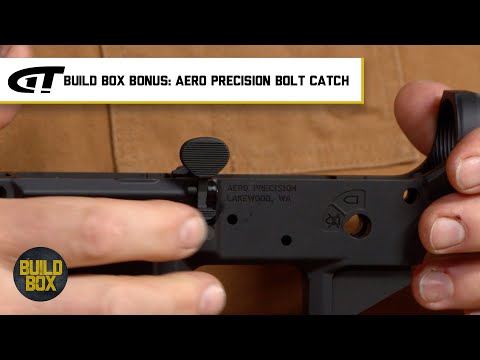
This guide details the installation of an enhanced bolt catch on an Aero Precision M4E1 AR-15 lower receiver. It covers the removal of the old part, proper alignment of the new component with its spring and detent, and the secure installation of the screw using blue Loctite to prevent loosening. The process highlights specific features of the M4E1 lower, such as its drilled and tapped screw hole for the bolt catch.
This video demonstrates the installation of a JAKL-specific bolt catch into a standard mil-spec lower receiver. The presenter, Matt from Palmetto State Armory, highlights that the JAKL bolt catch features a thinner paddle to prevent interference with the upper receiver's pocket cut. The process involves removing the existing mil-spec bolt catch and replacing it with the JAKL version.
This episode of The QA from UN12 Magazine features Dave Tim answering viewer questions on various firearms topics. Key discussions include zeroing 45-degree offset red dots and iron sights, the manufacturing differences between budget and high-end AR-15 upper and lower receivers, and tips for building and maintaining AR-15 platforms. The episode also touches on firearm instruction best practices, M-LOK fastener preferences, and recommendations for long-range bolt-action rifle optics and calibers.
This guide outlines essential tools for AR-15 assembly, focusing on lower receiver work. Key tools include a punch set and brass hammer for pins and detents, a vise with appropriate AR-15 vise blocks for secure workholding, and Allen keys for various fasteners. Proper use of these tools simplifies tasks like installing the bolt catch and trigger guard.
This guide, presented by Dave Timm, details the proper application of threadlockers to firearm components. It covers degreasing, selecting the correct threadlocker strength (low, medium, high-heat), and applying it to screws for parts like bolt catches, optic mounts, and gas blocks. Proper torque and curing times are emphasized for reliable component retention.
Gun Laws by State
Read firearms regulations for all 50 states + D.C.
Find Gun Dealers
Search licensed FFL dealers near you.