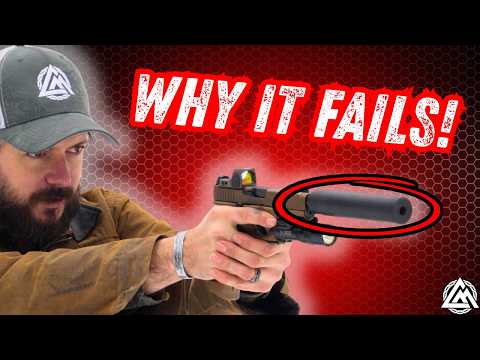
Clint Morgan, demonstrating expert-level knowledge, explains why suppressed pistols may fail to cycle. He details how added suppressor weight and back pressure affect firearm mechanics, particularly tilting barrel designs like the Glock 19X. The guide emphasizes the use of Nielsen devices (boosters) to compensate for these issues and highlights firearms like the Sig Sauer P226 and FNX-45 Tactical as more reliable suppressor hosts due to their design and recoil systems. The importance of training with your specific suppressed setup is also stressed.
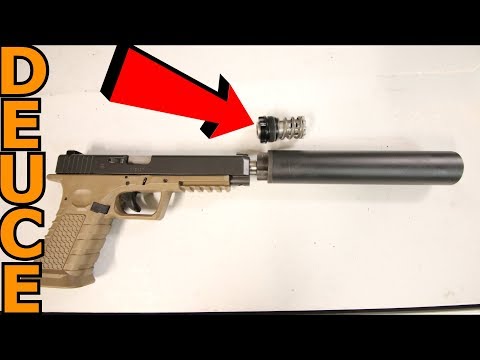
This video demonstrates how a single 9mm suppressor can be adapted for a variety of firearms, including pistols, pistol caliber carbines, and even some rifles. The key to this versatility lies in using the correct accessory: a booster for tilting barrel firearms and a solid mount for fixed barrel firearms. The presenter, Deuce, emphasizes the importance of matching thread pitches and using appropriate ammunition, particularly subsonic rounds for rifles, to ensure safe and effective suppression across different platforms.
The Nielsen device, also known as a booster, is crucial for the reliable cycling of recoil-operated handguns when suppressed. It temporarily decouples the suppressor's mass from the barrel using a spring-loaded piston, allowing the firearm's action to cycle correctly. This prevents the added weight and back pressure of the suppressor from impeding the slide's rearward travel.
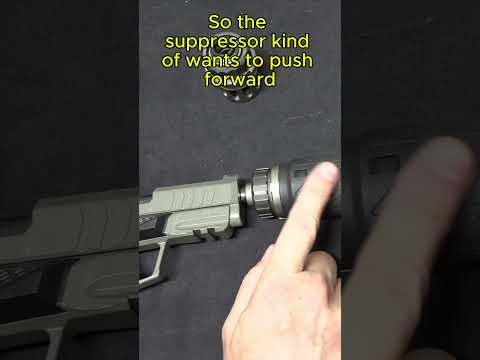
This video explains why suppressors can cause malfunctions on semi-automatic pistols, focusing on the mechanics of firearm cycling. It details how added weight from a suppressor can impede the slide's reciprocation and the barrel's tilt. The explanation includes the function of a linear inertial decoupler (booster) in mitigating these issues by using a spring-loaded piston to absorb recoil energy.
This video provides an in-depth look at an MG 42 parts kit, focusing on its design and manufacturing techniques from a gun designer's perspective. The presenter highlights the innovative use of stamped sheet metal, the complexity of the feed mechanism, and the overall engineering achievement of the MG 42, particularly its early adoption of advanced manufacturing processes for its time. The discussion also touches upon the MG 42/59 variant and its caliber conversion.
This video showcases the AK-104 rifle, focusing on its performance after modifications, particularly a muzzle brake and booster. The presenters discuss recoil management, shooting techniques, and the overall shooting experience, including challenges with camera overheating and magazine insertion. The content highlights the rifle's potential for reduced recoil and its effectiveness at the range, with a mixed sentiment regarding its practicality and the presenter's initial intentions for the gift.
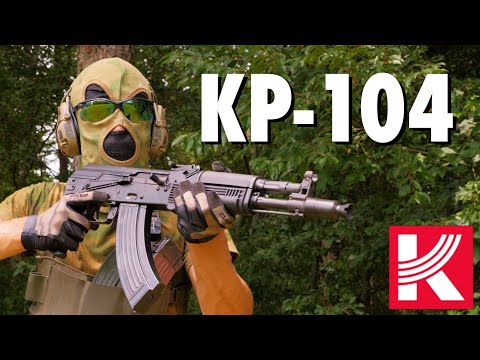
This video provides a detailed first impression and range test of the Kalashnikov USA KP104 pistol, an AK-104 clone chambered in 7.62x39mm. The presenter, demonstrating intermediate skill, highlights its clone-correct features, including the combination gas block and front sight, and the folding rear trunnion. The review covers its performance as a pistol, accuracy, reliability with various magazines, and the function of its unique muzzle booster.
This video provides a detailed tabletop review and field strip of the Palmetto State Armory (PSA) Gen 3 AK-P pistol. The reviewer highlights the firearm's value, American manufacturing, and attention to detail in its construction, particularly noting the quality of rivets and the hinged top cover. It also covers magazine compatibility and the function of the muzzle booster.
This guide details the installation and function of a Nielsen Device (booster) for suppressed semi-automatic pistols with tilting barrels, as explained by an expert firearms instructor. It covers why these devices are crucial for reliable cycling, the components involved, and identifies firearms that do not require them. The instruction emphasizes practical application and troubleshooting common cycling issues when using suppressors.
This video provides a foundational overview of firearm suppressors (silencers), covering their legal status under the NFA, associated costs and wait times, and key purchasing considerations. It details material choices like stainless steel, titanium, and Inconel, explaining their impact on cost and performance. The guide also differentiates between direct thread and muzzle device attachment systems, highlights the necessity of a booster for pistol suppressors, and emphasizes the importance of multi-caliber ratings for versatility. User-serviceable versus sealed designs and the role of ammunition type (supersonic vs. subsonic) in suppressor effectiveness are also discussed.
You've reached the end! 10 videos loaded.
Gun Laws by State
Read firearms regulations for all 50 states + D.C.
Find Gun Dealers
Search licensed FFL dealers near you.