Don't Shoot Your Silencer Without This!

Published on October 12, 2018
Duration: 7:17

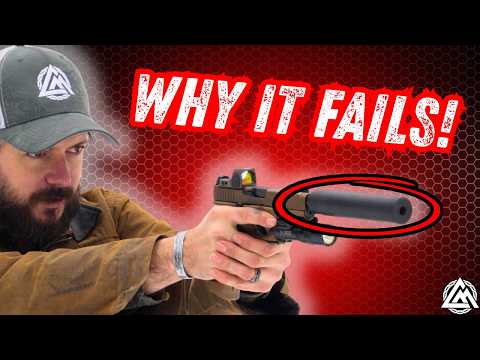
This video explains the critical role of the Nielsen device (booster) for reliably cycling suppressed semi-automatic pistols with tilting barrels. Without it, the added weight of a suppressor prevents proper slide action, leading to malfunctions like stovepipes. The host demonstrates this failure on a Glock and highlights firearms that do not require a booster, such as fixed-barrel pistols and rifles.

Quick Summary

A Nielsen device (booster) is crucial for suppressed semi-automatic pistols with tilting barrels. It provides the necessary momentum to overcome the suppressor's weight, ensuring reliable cycling and preventing malfunctions like stovepipes.

Chapters

  1. 00:00Intro: The Nielsen Device Explained
  2. 01:00Booster Components & Assembly
  3. 02:53Browning Action & Cycling Issues
  4. 04:13Range Test: Direct Thread vs. Booster
  5. 06:07Fixed Barrel Exceptions (No Booster Needed)

Frequently Asked Questions

What is a Nielsen device and why is it needed for suppressed pistols?

A Nielsen device, also called a booster, is essential for suppressed semi-automatic pistols with tilting barrels. It uses a spring-loaded piston to absorb recoil and provide forward momentum, ensuring the firearm cycles reliably despite the suppressor's added weight.

What happens if I shoot my suppressed pistol without a booster?

If your pistol has a tilting barrel action and requires a booster, shooting without one will likely cause cycling failures. The suppressor's weight hinders the slide's momentum, leading to malfunctions like stovepipes or failure to eject.

Which firearms do NOT need a booster for suppressed shooting?

Firearms with fixed barrels do not require a booster. This includes most .22 LR pistols (like the Ruger Mark III), some Makarov-style pistols (P64), Hi-Point handguns, and all rifles, as their barrels do not tilt during operation.

How does a Nielsen device help a suppressed pistol cycle?

The Nielsen device's piston moves forward slightly upon firing, pushing the suppressor and effectively adding momentum to the slide's rearward travel. This compensates for the inertia lost due to the suppressor's weight, allowing the action to complete its cycle.

Related News

All News →

More Tactical & Gear Videos You Might Like

More from DEUCE AND GUNS

View all →