This experiment tests the bullet-stopping capabilities of 250 pounds of Play-Doh against various calibers. Penetration depths ranged from 4 inches for a .22 LR to 24 inches for a .50 BMG, with 9mm penetrating 10 inches and .45 ACP/ .50 AE reaching 22 inches. High-velocity rounds like the .223 AR-15 and 12 gauge slug penetrated 9.5 inches, demonstrating that while Play-Doh offers some resistance, it is not a reliable bullet stop for most common firearm calibers.
This video tests the bullet-stopping capability of a 25-foot streetlight pole against various calibers. Lower calibers like .22 LR, 9mm, .45 ACP, and .44 Magnum caused dents but failed to penetrate. The .50 AE and 12-gauge slug also failed to penetrate, creating significant damage. However, a .308 Win and a .50 BMG round easily penetrated the pole, demonstrating the significant difference in power between handgun/shotgun rounds and high-powered rifle rounds.
This video tests the penetration capabilities of a 12-gauge shotgun slug through Oriented Strand Board (OSB). The slug successfully penetrated 12 layers of OSB before being stopped by the 13th layer. The test demonstrates the significant energy and penetration power of shotgun slugs against common building materials.
This YouTube video tests the ballistic resistance of a textbook by shooting it with a .22 caliber bullet. The content focuses on a live-fire experiment to determine if the book can successfully stop the projectile or if it will pass through. The description and title clearly indicate a direct test of material penetration by firearm ammunition, aiming for an answer to the question posed.
This video tests whether a rifle can act as improvised body armor against bullets. Dense steel components like the bolt carrier group and barrel proved effective at stopping rounds, while aluminum receivers offered less protection. The experiment highlights that while a rifle can stop bullets, it's highly dependent on the specific impact point and component material.
This video tests the ballistic resistance of standard 60lb sandbags against various firearm calibers. Surprisingly, a single sandbag effectively stopped all tested pistol rounds and even intermediate rifle calibers like 5.56 and 7.62x39. Sustained fire on the same spot was required to breach the first bag, demonstrating sandbags' significant effectiveness as ballistic barriers for home or self-defense scenarios.
This video tests how many decks of cards are needed to stop a bullet. A .22 LR round was stopped by two decks, while a 9mm round penetrated four decks and was stopped by the fifth. The experiment highlights the varying penetration capabilities of different calibers through a common medium.
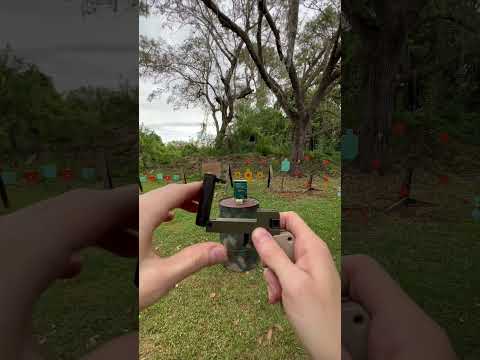
This video tests the ballistic resistance of a bricked LG cell phone by attempting to shoot it. The creator, The GunGuy (Joel Persinger), also mentions his website, Patreon, and encourages viewers to visit sponsors like OpticsPlanet. He provides links to various gun rights organizations and mentions his credentials as an NRA Law Enforcement Firearms Instructor. The video aims to determine if a common electronic device can withstand projectile impact, with a focus on the practical implications for bullet stopping capabilities.
This video explores the question of how many computers are required to stop a bullet. While the specific firearms or calibers used are not mentioned in the title or description, the premise suggests an experimental or analytical approach to ballistic resistance. The video likely involves testing the penetration capabilities of bullets against computer hardware. Links to the creator's website and Instagram are provided for further engagement with their content, which may offer more context on their typical video themes.
You've reached the end! 9 videos loaded.
Gun Laws by State
Read firearms regulations for all 50 states + D.C.
Find Gun Dealers
Search licensed FFL dealers near you.