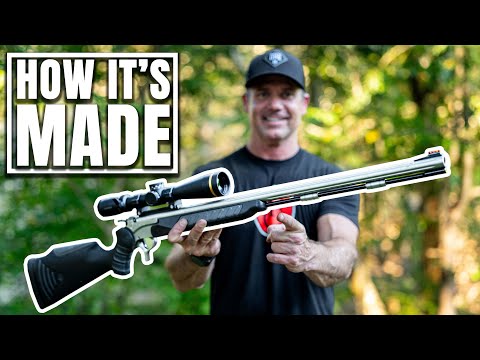
This guide, presented by Josh from AT3 Tactical, explains the fundamental concepts of AR-15 barrel rifling and twist rates. It details historical methods, modern manufacturing processes like button rifling, cut rifling, and cold hammer forging, and clarifies how twist rate impacts bullet stability based on weight. The information is presented with an emphasis on practical application for firearm owners.
This guide details a rigorous inspection and testing procedure for AR-15 barrels, as demonstrated by Preston Moore. It covers essential physical gauging, advanced borescope analysis to detect internal defects like pitting, and a structured approach to range testing with various ammunition types. The process emphasizes data collection for accuracy and velocity, highlighting the importance of thorough evaluation before and after live fire. Moore's objective and analytical approach provides high-level insights into barrel quality.
This video details the intricate process of manufacturing precision rifle barrels, emphasizing the critical role of dimensional control and material stress management. It highlights how specific operations like drilling, reaming, and buttoning, combined with meticulous inspection and proprietary tooling, contribute to exceptional barrel quality and shooter performance. The expertise of seasoned technicians and years of accumulated knowledge are presented as essential for achieving tight tolerances and consistent results.
This Q&A session covers various firearms topics, including barrel manufacturing processes like cold hammer forging versus button rifling and the benefits of chrome lining. It delves into the longevity of different barrel types, the nuances of AR-15 and AR-10 platforms, and discussions on emerging cartridges like 6.8 SPC and 8.6 Blackout. The expert also touches on specific firearm models, suppressor considerations, and the importance of proper firearm maintenance and parts selection.
This guide details the expert-level process of manufacturing premium rifle barrels at Green Mountain Rifle Barrel Co., as explained by their owner and technicians. It covers everything from raw material selection and precision drilling to advanced rifling techniques, critical stress-relieving heat treatments, and final quality control measures like bore inspection and air gauging. The instruction highlights the meticulous attention to detail required for producing high-accuracy barrels.
This video, a re-edit of an original from May 13, 2024, focuses on the process of rifling firearm barrels. The creator plans future, more in-depth rifling videos, including one specifically on ECM rifling. They tease an upcoming short video demonstrating a quick, albeit potentially 'ugly' or 'epic,' method using inexpensive Chinese rifling buttons, grease, and a hammer. Links to American-made rifling buttons from Danjon and DME Tool are provided.
Ballistic Advantage, known for AR-15 barrels, is expanding into the bolt-action rifle market. They offer profiled blanks for gunsmiths and drop-in pre-fit barrels for Zermatt Origin receivers, with headspace precisely set to +/- 0.0005 inches. The barrels feature unique tooling geometry for superior button-rifled blanks, are 100% inspected, hand-lapped, and honed, with options for various fluting styles like helical.
This video demonstrates the industrial process of rifling a Savage Rifle Barrel using a button rifling technique. A factory worker applies lubricant to a rifling rod before pulling it through the barrel blank under high tension, cold-forming the lands and grooves. The process highlights precision handling and standardized industrial safety protocols, showcasing the manufacturing of firearm components.
This video features Eric P. from Guns & Ammo magazine interviewing Adam Wayo, founder of Ballistic Advantage, at the 2024 SHOT Show. They discuss Ballistic Advantage's diverse barrel offerings, including their OEM supply to major manufacturers, custom options for gunsmiths, and new product lines. Key highlights include their 8.6 Blackout barrels with a 1:3 twist rate, carbon fiber sleeved barrels for weight reduction, and their expansion into pistol barrels for Glock, Sig Sauer, Springfield, Smith & Wesson, and CZ-USA, emphasizing accuracy and reliability.
Adam Waineau of Ballistic Advantage discusses the critical factors in manufacturing accurate rifle barrels. He emphasizes starting with high-quality, match-grade barrel blanks with tight tolerances and maintaining concentricity throughout the machining process. Waineau also clarifies that barrel weight is not a primary determinant of accuracy, with factors like sequence of fire and heat affecting performance.
This guide details the process of breaking in a new firearm barrel, primarily focusing on premium match-grade options. It explains that break-in is intended to smooth microscopic imperfections from the manufacturing process, like button or cut rifling. The process involves firing shots and cleaning between them to manage copper fouling. Barrels with hard finishes like chrome-lining or nitriding, common in AR-15s, generally do not require this procedure. The information is presented with high authority by Brownells, a leading firearms parts and gunsmithing resource.
Mark Serbu demonstrates a home-shop button rifling process using Chinese and Ukrainian rifling buttons on 4140 and 12L14 steel barrel blanks. The video details the use of a hydraulic press and Moly grease, concluding with a comparison of the 4-groove rifling from the Chinese button and 6-groove from the Ukrainian button. Serbu provides expert insights into material selection and the practicalities of DIY barrel making.
Gun Laws by State
Read firearms regulations for all 50 states + D.C.
Find Gun Dealers
Search licensed FFL dealers near you.