This video emphasizes the critical importance of understanding the 'why' behind your firearm carry choices and gear setup. The instructor stresses that decisions should be based on personal practice and training, not just external recommendations. Knowing your rationale allows for confident defense of your choices, whether it's your carry position or the specific configuration of your firearm.
This guide, presented by a retired Green Beret, details how to set up and effectively shoot an AR-15 as a 'fighting rifle.' It covers optimal stance, optic mounting for situational awareness, tactical carry positions, grip techniques, trigger control for faster follow-up shots, understanding sight offset, and efficient reloading. The instruction emphasizes practical application and speed, drawing on expert military experience.
This guide details the considerations for on-body concealed carry, emphasizing the balance between comfort, concealability, and ammunition capacity. It explores various firearm sizes, holster types, and carry positions, with a strong recommendation for appendix carry due to its accessibility and defensive advantages. The importance of a rigid belt, appropriate clothing, and consistent dry-fire practice for a reliable draw stroke is highlighted.
This live Q&A session with Kevin Michalski of the USCCA covers a range of self-defense topics, including legal considerations for using firearms against animals, optimal carry positions, the importance of calling 911 first after an incident, and ammunition recommendations for home defense. Michalski also discusses the ATF's restriction on UTM training ammunition, the effectiveness of AR-15s for home defense, and the legal nuances of using deadly force. The session emphasizes proactive preparation, situational awareness, and understanding the totality of circumstances in self-defense scenarios.
This guide, presented by EDC enthusiast Johnny Q, explains the common clock system used to describe firearm carry positions on the body. It details 12 o'clock (front), 3 o'clock (hip), and 9 o'clock (opposite hip) as primary reference points, while also noting that carry positions can be adjusted based on clothing and personal preference. The information is practical for anyone looking to understand or optimize their concealed carry setup.
This video offers expert-level concealed carry advice tailored for senior citizens, addressing physical limitations and legal justifications for self-defense. It emphasizes adapting carry methods and understanding state laws, with insights from a USCCA expert on practical scenarios and equipment considerations.
This discussion focuses on the challenges of finding comfortable and effective concealed carry holsters, particularly for individuals with larger body types. The conversation explores various holster types, carry positions like appendix and three o'clock, and the importance of holster design in facilitating a smooth draw while maintaining comfort throughout the day. The speakers emphasize that holster selection is highly personal and dependent on individual body shape, firearm choice, and clothing.
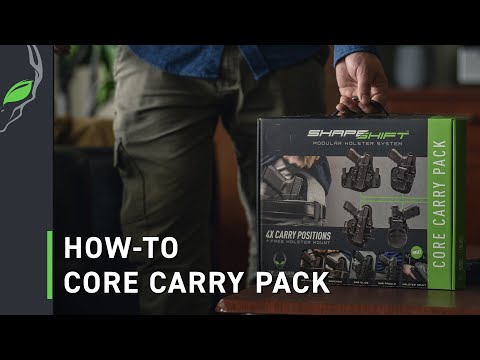
This guide details the assembly and adjustment of the Alien Gear Holsters ShapeShift Core Carry Pack. It covers configuring the modular system for various carry positions (IWB, Appendix, OWB Paddle, OWB Belt Slide), adjusting retention with toolless locks, and optimizing for comfort and concealment. The instruction emphasizes proper firearm handling safety throughout the process.
This comprehensive guide from Geauga Firearms Academy explores various concealed carry holster types, materials, and carry positions. It emphasizes the importance of a solid trigger guard, a holster that stays open, and a robust gun belt. The instructors detail the pros and cons of Kydex, hybrid, and leather holsters, discuss IWB vs. OWB carry, and demonstrate common positions like appendix and 4 o'clock carry, while strongly advising against unsafe methods. Key considerations like retention, ride height, and cant are also covered to help individuals find the optimal concealed carry setup for their needs.
This video debunks the myth that appendix carry is inherently more dangerous than other firearm carry positions. The instructor demonstrates that all carry methods, including appendix and four o'clock positions, carry a risk of flagging oneself during drawing or reholstering. The core message emphasizes that safe firearm handling relies on individual common sense and adherence to safety rules, regardless of the chosen carry method.
This video provides a comprehensive overview of concealed carry techniques, covering gun selection, ammunition types, holster choices, and various carry positions including ankle, small of back, and appendix carry. It also delves into advanced shooting skills such as reloads, malfunction drills, and fighting while wounded, emphasizing the critical role of mindset in self-defense.
This instructional content covers a comprehensive approach to concealed carry, starting with firearm and ammunition selection, and progressing to holster choices, garment considerations, and various carry positions. It delves into advanced techniques like shooting through obstructions, reloads, malfunction drills, and fighting while wounded, emphasizing the critical role of mindset in self-defense.
You've reached the end! 12 videos loaded.
Gun Laws by State
Read firearms regulations for all 50 states + D.C.
Find Gun Dealers
Search licensed FFL dealers near you.