Ian McCollum of Forgotten Weapons emphasizes that a cautious approach to muzzle discipline is beneficial for new gun owners, fostering long-term safety and proficiency. He explains that experienced shooters develop subconscious muzzle control, while novices may struggle with 'task loading,' where focus on new actions can lead to unsafe muzzle direction. Consistent practice is key to building these essential safe habits.
This video offers expert advice from Joel Park on optimizing firearms instruction by minimizing excessive talking and maximizing student shooting time. Park advocates for keeping explanations and demonstrations to under 7 minutes, emphasizing that students attend classes to shoot, not just listen. He suggests demonstrating drills, highlighting common errors with exaggerated examples, and then allowing students to practice, addressing issues individually or in small groups as they emerge. This approach respects student attention spans and time, leading to more effective learning.
This video discusses effective training methodologies for improving performance under pressure, specifically addressing the misconception of 'slow processing speed.' The creator emphasizes that instead of trying to speed up inherent processing capabilities, the focus should be on reducing the amount of processing required through proper training. This concept is presented as applicable not only to tactical scenarios but also to any situation demanding complex task execution under stress. The video promotes Tenicor as a brand.
This video demonstrates a cognitive exercise for elite operators, focusing on rapid tactical problem-solving. Instruction from DJ Shipley, a former Tier 1 operator, highlights how experienced individuals can process complex CQB scenarios quickly by mentally sketching floor plans and accounting for variables like room layout and barricades. The core principle is that mental repetition and focus allow operators to apply paper-based efficiency to real-world situations.
This episode of Gun Talk Nation features Neil and Stephanie Widner of Active Self-Protection, discussing real-world self-defense scenarios and lessons learned from viewer-submitted videos. They emphasize the importance of situational awareness, de-escalation, and pre-planning defensive strategies to reduce cognitive load during critical incidents. The discussion highlights common mistakes like engaging in road rage, not paying attention to surroundings, and the reluctance of good people to defend themselves due to fear of legal repercussions.
This guide details the tactical response of an Arizona DPS trooper engaging a suspect firing a fully automatic weapon. The trooper re-entered his Dodge Charger for cover and returned fire through the windshield. The analysis, presented by Active Self Protection hosts John Correia and Mike Willever, covers the use of the vehicle for cover, the ballistics of shooting through automotive glass, and the high cognitive load experienced by the officer.
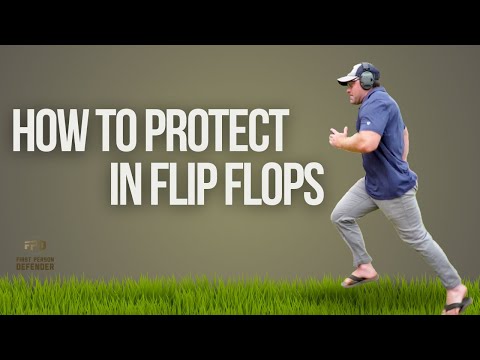
This video demonstrates a training drill designed to simulate shooting under stress, emphasizing performance on demand. It involves a protege running a distance in flip-flops to engage a target, with an unloaded firearm initially to introduce cognitive challenges. The drill aims to push shooters beyond static range conditions to better prepare them for real-world high-stress scenarios.
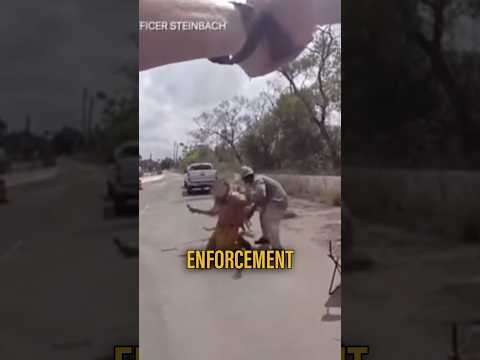
This analysis breaks down a critical incident in Costa Mesa, CA, where an investigative stop escalated into a high-risk vehicle assault. Experts John Correia and Mike Willever provide a detailed tactical review, emphasizing the importance of mental repetitions, understanding cognitive load, and analyzing the dangers of detainee positioning during dynamic encounters. The video highlights the rapid decision-making required in volatile situations.
This video explores the concept of "task layering" in the context of firearms handling and training. The presenter explains how overwhelming an individual with a high volume of stacked tasks can lead to a breaking point, with individual thresholds varying based on skill and training. Verbal cues are presented as a crucial tool for refocusing individuals when they are struggling under this pressure. The video also prominently features contact information for TENICOR, a firearms-related company, suggesting a connection to their products or services, likely related to training or gear that aids in managing task layering.
This video from Active Self Protection, featuring John Correia and Mike Williker, emphasizes that threats are not always predictable and can come from anyone, regardless of appearance. It highlights the importance of focusing on behavioral cues and maintaining situational awareness to identify potential threats before they escalate. The instruction stresses the need to avoid pigeonholing expectations of who a threat might be.
This video discusses how the brain's response under stress is primarily based on trained reactions, not conscious thought. It suggests that without specific training for stressful scenarios, individuals may revert to familiar, but potentially inappropriate, actions. The core message emphasizes the need for training that simulates real-world stress to ensure effective responses.
This video emphasizes that the decision to stop shooting originates from the brain's processing of stimuli, not from conscious human thought. Effective firearms training in 2024 should focus on stimulating the brain to initiate the stop command, rather than relying on the shooter's self-directed decision to cease firing. The core principle is that the body cannot act in a way the brain has not first processed.
Gun Laws by State
Read firearms regulations for all 50 states + D.C.
Find Gun Dealers
Search licensed FFL dealers near you.