This entry analyzes a naval incident involving a boat strike in Venezuela, questioning the Rules of Engagement (ROE) and the justifications provided. It highlights the importance of military ethics and adherence to international law, even in counter-narcotics operations. The analysis draws on expert insights into naval protocols and command structures.
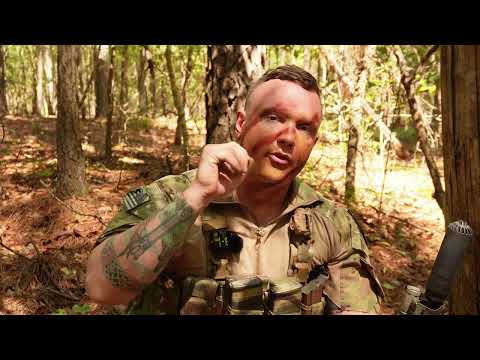
This video outlines the five essential principles of patrolling: Planning, Reconnaissance, Security, Control, and Common Sense. These principles are presented as crucial for survival in tactical environments and are applicable even in civilian daily life. The instructor emphasizes that these are universal and overlapping, requiring constant application for effective operations and personal safety.
This video outlines the five essential principles of patrolling for platoon leaders: Planning, Reconnaissance, Security, Control, and Common Sense. The instructor emphasizes that these principles are continuous and crucial for survival in tactical environments, applicable even in simulated scenarios like Minecraft. Effective planning involves pre-mission analysis and in-mission adaptation, while reconnaissance utilizes available tools for area assessment. Continuous 360-degree security with interlocking fields of fire is paramount, as is maintaining strict control and accountability of personnel. Finally, common sense dictates avoiding obviously dangerous actions.
This analysis, presented by John Correia and Mike Willever of Active Self Protection, breaks down an NYPD officer-involved shooting incident. It meticulously reviews body camera footage, emphasizing the legal 'three pillars' of deadly force (means, opportunity, intent) and critiquing tactical elements like communication, lighting, and officer positioning to prevent friendly fire. The instruction highlights critical lessons for law enforcement response to armed suspects.
This video features firearms instructors discussing a tragic Chicago Police Department shooting, emphasizing critical training deficiencies and the importance of officer survival tactics. They analyze the incident, highlighting issues with cover, situational awareness, and the impact of current policing culture on officer decision-making. The discussion stresses the need for proactive, realistic training that prepares officers for the inherent dangers of the job, advocating for a shift from reactive to preventative strategies and urging officers to prioritize their own safety and that of their partners.
Instructor Mike emphasizes the importance of clear, concise verbal commands in a self-defense scenario, provided there is sufficient time. Commands should be limited to two or three words to ensure the recipient understands and to avoid overwhelming the speaker's cognitive load during a crisis. Effective commands like 'Stop,' 'Get down,' or 'Hands up' can potentially alter the threat's actions and de-escalate the situation.
This video demonstrates critical actions during an active shooting scenario. It emphasizes immediate defensive positioning, threat identification, and taking decisive action. The instructor highlights the importance of clear communication, asserting control, and directing others to safety and to call 9-1-1. Key takeaways include cutting angles on entry points and recognizing visual cues like laser sights to confirm threats.
You've reached the end! 7 videos loaded.
Gun Laws by State
Read firearms regulations for all 50 states + D.C.
Find Gun Dealers
Search licensed FFL dealers near you.