This guide details the ATF's history of reclassifying firearm components and the specific case of the Rare Breed FRT. It highlights the legal victory for Rare Breed Triggers and the DOJ, emphasizing the potential for gun owners to challenge agency overreach. The technical aspects of the FRT and historical import bans are also covered, providing context for potential future regulatory actions.
This video delves into the Franklin Armory Antithesis, a firearm designed to circumvent NFA regulations by being classified as neither a rifle nor a pistol. The core of the argument rests on the firearm's intended use with multi-piece projectile assemblies, which, according to a federal court ruling, disqualifies it from being classified as a rifle under the National Firearms Act and Gun Control Act definitions. The discussion highlights the legal strategy and the potential implications for future firearm designs.
This video critically examines the role and impact of ATF opinions on firearm ownership and regulation. It argues that ATF opinions often represent arbitrary interpretations rather than established law, highlighting numerous instances where these opinions have been challenged and overturned in court. The content emphasizes that the ATF lacks the authority to write legislation and that their opinions should be viewed with skepticism, especially given the agency's history of losing legal battles over firearm classifications.
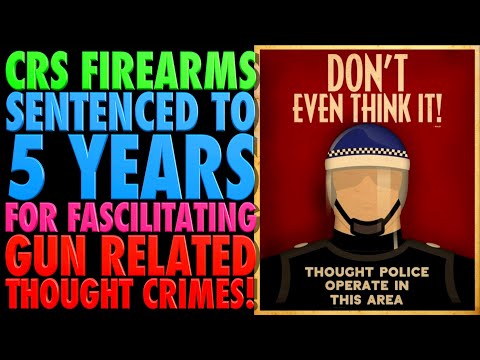
The video criticizes the five-year prison sentence given to Matt Hoover of CRS Firearms for selling 'auto key cards.' The speaker argues these cards, which contain an outline of a part to convert AR-15s to full-auto, represent the transfer of knowledge rather than actual illegal parts. The speaker contends this conviction is an example of 'thought crime' and criticizes the government's selective enforcement, citing instances of the government allegedly supplying weapons to cartels.
This video explains the ATF's new pistol brace rule and the three primary options for compliance before the amnesty period ends. The instructor, emphasizing he is not a lawyer, details how to remove the brace, convert the firearm to a rifle, or register it as an SBR. He highlights the potential legal ramifications for non-compliance, including felony charges.
This video provides an expert analysis of the ATF's pistol brace ruling, clarifying that pistol braces themselves are not illegal. The ruling targets the intent to create a Short-Barreled Rifle (SBR) without proper registration. The speaker, drawing on extensive research and experience, advises against registering braced firearms and suggests that the ruling was influenced by industry actions. The video critiques the narrative of SBR danger and advocates for NFA repeal.
The speaker discusses the ATF's regulatory actions, particularly concerning solvent traps and oil filters being used as suppressors. He argues that the ATF oversteps its authority by creating new laws, which should only be done by Congress. The speaker emphasizes that possessing components for illegal items can lead to charges of constructive intent, but stresses that the core issue is the NFA itself and advocates for its repeal. He also touches on the importance of understanding legal distinctions and avoiding actions that could be misconstrued by law enforcement.
This video provides an expert analysis of the legality of the Ledesma Arms grip for AR-15 style firearms and the CAA Micro Roni stabilizing kit for Glock pistols in California. The instructor explains the legal definitions of pistol grips and assault weapons, emphasizing the 'web of thumb' test for grips and features like second hand grips and barrel shrouds for pistols. He strongly advises against the Ledesma grip due to its clear violation of California's pistol grip definition and expresses significant concern about the Micro Roni kit potentially rendering a Glock an illegal assault weapon, while clarifying the state's 'no constructive intent' law.
This video clarifies the legal definition of a 'silencer' under US federal law, emphasizing that the term is legally defined and not dependent on complete silence. It details what constitutes a silencer, including complete devices, combinations of parts, and individual parts intended solely for assembly. The content also addresses the legal implications of solvent traps, modified automotive parts, and the concept of constructive intent when possessing such items without proper authorization.
You've reached the end! 9 videos loaded.
Gun Laws by State
Read firearms regulations for all 50 states + D.C.
Find Gun Dealers
Search licensed FFL dealers near you.