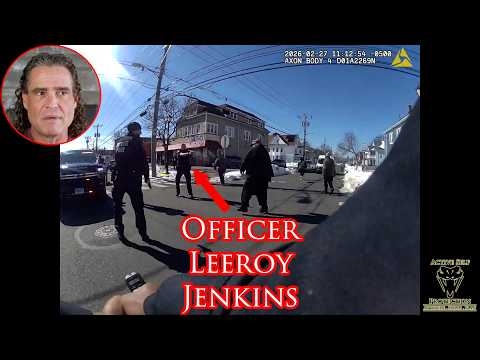
This video analyzes a critical incident where a Hartford, Connecticut police officer was terminated after responding to a mental health crisis involving a knife. The analysis highlights the importance of de-escalation, experienced officers' tactical advantages, and the pitfalls of a less experienced officer prematurely escalating a situation. It emphasizes that while the officer's actions might be criminally justifiable in a vacuum, his decision-making and probationary status led to his termination.
This video analyzes a Yuma Police Department response to a volatile individual threatening neighbors with knives. Officers demonstrated excellent de-escalation techniques, maintaining distance, and attempting verbal communication. The analysis highlights the importance of discretionary time, tactical positioning, and the appropriate use of non-lethal force options like tasers, while also discussing the justification for lethal force when a deadly threat is imminent. The officers' professionalism and adherence to training in a high-stress situation are commended.
This video discusses the Armory Project, a Louisiana-based initiative partnering with FFLs to offer temporary, voluntary firearm storage for individuals experiencing mental health crises. The project aims to reduce firearm suicide by creating a safe option for gun owners to temporarily separate themselves from their firearms during difficult times. Legislation passed in Louisiana in 2022 provides FFLs with civil liability immunity for participating in this program, encouraging wider adoption and expanding the initiative to other states.
This guide details the tactical considerations and actions taken by law enforcement officers in a high-stress hostage situation, as analyzed by Active Self Protection. It covers the negotiation phase, the decision to breach, and the critical split-second decisions made during the engagement, emphasizing the importance of de-escalation and situational awareness. The analysis highlights the complexities of recognition-primed decision-making under extreme duress.
This video features Jeff discussing practical tactics and strategies for deescalating threatening situations. The focus is on verbal and non-verbal techniques to avoid or resolve conflict peacefully, aligning with personal safety and awareness principles. The video is presented by TENICOR, a brand associated with firearms and self-defense accessories, though the content itself centers on deescalation methods rather than specific firearm use.
This video, featuring John Correia of Active Self Protection, analyzes a scenario involving an individual exhibiting signs of excited delirium. Correia, drawing on his crisis intervention training and tactical background, breaks down the behavior, identifying it as a state of severe agitation and confusion potentially induced by drugs or mental illness. The analysis highlights the importance of recognizing these signs for officer safety and effective response during critical incidents.
This video analyzes a critical incident where an officer, despite employing good de-escalation techniques, sustained a severe injury due to a concealed weapon. The analysis highlights the crucial balance between rapport building and maintaining tactical safety, emphasizing the importance of clearing subject's hands and the necessity of readily accessible trauma medical kits. The expert commentary underscores common tactical errors that can lead to vulnerability in high-stress encounters.
This video analyzes a critical incident in San Antonio where officers responded to a woman in crisis, leading to her death and charges against the officers. The hosts emphasize the importance of de-escalation, staying ahead of calls, and proportionate responses to perceived threats. They critique the officers' actions, suggesting alternative approaches like backing off, calling for crisis teams, or using less-lethal options before resorting to deadly force.
This analysis breaks down an officer-involved shooting incident captured on bodycam. It critically examines the tactical decisions made by law enforcement officers, highlighting the importance of de-escalation and emotional control in high-stress encounters. The analysis delves into the legal justification of the use of force while also exploring the preventability of the situation.
This video from Active Self Protection analyzes a critical incident in Sparks, Nevada, where an emotionally disturbed individual approached a police department and fired a weapon. Hosts John Correia and Mike Willever break down the de-escalation attempts by a sergeant, the subsequent use of force by SWAT, and the importance of mental health resources like the 988 hotline. The analysis highlights tactical considerations for both de-escalation and marksmanship under stress.
This episode of the GUNS Magazine Podcast features Dr. Matthew Miller, Executive Director for VA Suicide Prevention, discussing critical topics surrounding veteran suicide. The conversation delves into practical advice on how to approach and support individuals contemplating suicide, offering self-help strategies and outlining available resources for veterans, their friends, and families. The episode highlights the Veteran Suicide Help Line (Dial 988, press #1) and mentions the website keepitsecure.net. The podcast is sponsored by 4Patriots, promoting their portable solar power solutions.
This video from Active Self Protection, featuring hosts John Correia and Mike Willever, details a law enforcement officer's calm handling of a crisis involving an unstable man armed with a knife. The officer successfully de-escalates the situation through patient communication, but is forced to use his duty weapon when the suspect suddenly attacks. The analysis highlights the officer's exceptional patience, tactical decision-making under duress, and immediate transition to providing aid.
Gun Laws by State
Read firearms regulations for all 50 states + D.C.
Find Gun Dealers
Search licensed FFL dealers near you.