This guide outlines critical steps for civilians after a deadly force incident, based on the expertise of an instructor from Geauga Firearms Academy. It emphasizes clear communication with 911, compliance with arriving law enforcement, and managing the immediate aftermath, including legal and emotional considerations. The advice is presented with a serious, professional, and authoritative tone, drawing on the instructor's experience in various policing environments.
This YouTube video analyzes a specific Minnesota shooting incident, explaining why it was deemed a 'bad shoot' by law enforcement. The content focuses on police protocol and the procedures surrounding officer-involved shootings. It aims to educate viewers on the rules of engagement and decision-making processes during such critical events. While the specific firearms involved aren't detailed in the provided information, the core topic revolves around the application of police tactics and the legal/procedural ramifications of use-of-force incidents.
This video depicts a critical incident where a driver in a maroon Honda Pilot aggressively confronts an individual filming in a residential neighborhood. The situation escalates with verbal threats and the driver's refusal to comply with law enforcement commands, culminating in a violent vehicle strike against the officer. The footage highlights the extreme dangers faced by law enforcement during traffic stops and confrontations, emphasizing the need for advanced tactical awareness and response protocols.
This YouTube video's title, "This Kahr Handgun Would Have Got Me Shot," suggests a narrative involving a Kahr firearm in a potentially dangerous or critical situation. The description is currently blank, but the title implies a review, incident report, or a cautionary tale related to the reliability or performance of a Kahr pistol. The content likely focuses on personal experience, gun safety, or the consequences of firearm malfunction or improper handling. It aims to engage viewers with a dramatic or suspenseful premise.
This analysis breaks down a critical incident involving an officer-involved shooting, emphasizing the tight shooting window and the complexities of using lethal and less-lethal force. It critically evaluates bystander intervention and highlights the importance of immediate medical aid, drawing insights from experienced self-defense educators.
This analysis, presented with a highly critical and expert tone by John Correia and Mike Willever, breaks down a critical incident involving the LAPD. It scrutinizes the actions of officers responding to an armed robbery where a citizen defender was shot by police. The expert assessment highlights significant errors in medical aid, specifically the incorrect application of a SoftT tourniquet, and critiques tactical decision-making during the chaotic event.
This video, titled "Officer Needs Help! - Can You Shoot His Attacker? (Concealed Carry)" and tagged with #USCCA, likely explores the legal and ethical considerations of using a firearm in self-defense, specifically in a situation where a law enforcement officer is in danger. The title suggests a scenario-based discussion, focusing on the rights and responsibilities of a concealed carrier when intervening in a violent encounter. It will likely touch upon the legal ramifications of using deadly force and the practical aspects of concealed carry in such critical situations. The mention of USCCA implies a focus on training and advocacy for responsible gun ownership and self-defense.
This YouTube video's title, "Where will you be when it happens?", coupled with hashtags like #palmettostatearmory and #aac, suggests a content focus that could be related to preparedness, potential societal events, and firearms. Given the mention of Palmetto State Armory, a known firearms manufacturer and retailer, and AAC (likely Advanced Armament Corporation, a firearms/suppressor company), the video is likely discussing or showcasing firearms in some capacity, potentially in a self-defense or preparedness context. The question posed is evocative and often used in content related to survival or critical incidents.
This video features a retired police officer's decisive action in stopping a carjacking. The description hints at additional angles, analysis, and lessons learned available in a related video on the channel, suggesting a focus on the tactical and strategic aspects of the event. It likely explores the use of force, the mindset of a trained individual in a critical incident, and potential implications for self-defense scenarios.
This video title and description highlight a critical incident where a Chicago Police Officer experienced a pistol malfunction while under fire. The focus is on the officer's inability to clear the malfunction in a high-stress, live-fire situation. This scenario raises questions about training, equipment reliability, and the practical challenges of firearm operation during critical encounters.
This video, titled "You Got Shot… Now What?", likely addresses critical immediate actions and considerations following a gunshot incident. Given the title's directness, it could range from practical advice on dealing with the aftermath of being shot to potentially self-defense scenarios or even a metaphorical interpretation. Without a transcript, the exact content is speculative but suggests a focus on response and survival.
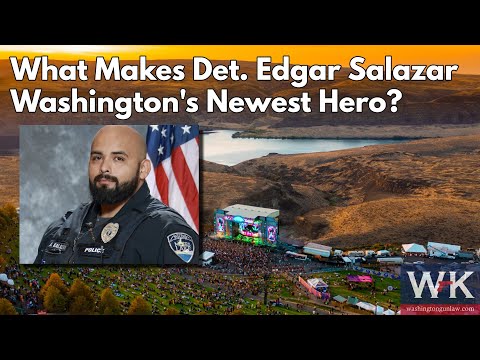
This video discusses the heroic actions of Detective Edgar Salazar during the tragic shooting at the Gorge Amphitheater. It highlights his exceptional marksmanship in neutralizing the threat and announces a new training program collaboration. The content emphasizes the critical need for advanced firearms proficiency under extreme stress.
Gun Laws by State
Read firearms regulations for all 50 states + D.C.
Find Gun Dealers
Search licensed FFL dealers near you.