This video provides a comprehensive explanation of how AR-15 triggers function, detailing the mechanics of both single-stage and two-stage systems. It breaks down key components like the sear, disconnector, and hammer, and explains critical concepts such as trigger break, reset, pull weight, and creep. The instructor also touches on manufacturing processes like Wire EDM and the differences between mil-spec and drop-in triggers, offering advice for trigger upgrades.
This guide details a gunsmithing repair for an Artisas pistol experiencing hammer follow or failure to fully reset due to trigger play. Expert Morgan demonstrates how to diagnose the issue by identifying wear on the trigger cage and then performing a precise modification by chamfering the trigger cage's lower edge to correct abnormal contact. This advanced technique addresses a subtle mechanical malfunction, restoring reliable function.
This guide details the installation of the Arizona Regulator AZR-15, a drop-in Forced Reset System (FRT) for AR-15 platforms. The video features PSR, a recognized authority in the DIY firearm community, demonstrating the installation and function of the AZR-15 on various upper receivers, including a Midwest Industries MI-15F Combat Rifle HD. The guide emphasizes the importance of proper firearm handling and understanding the technical mechanics of the FRT system.
This video provides an in-depth analysis of patent claims surrounding the 'Super Safety' trigger mechanism for AR-15 platforms. The instructor clarifies that the original FR-15 patent is irrelevant, while the Blakeley patent represents prior art for the Super Safety's cam reset function. The primary focus is on dissecting US patent 12038247, detailing its claims of infringement and demonstrating why the Super Safety's design, which utilizes user-selectable stacked cams and maintains disconnector function, does not violate the patent's scope, which centers on disabling the disconnector for select-fire.
This video features a detailed technical discussion and debate regarding the internal mechanics of the Sig Sauer P320, specifically focusing on its sear mechanism, trigger bar, and disconnector. The participants explore the potential for malfunctions, particularly concerning the sear's interaction with other components when the firearm is out of battery. The conversation delves into the physics of inertia, spring tension, and momentum as they relate to firearm safety and reliability, with a strong emphasis on the scientific principles governing firearm operation and the rigorous testing required to ensure safety.
Professor Kim discusses his current firearm preferences, favoring the Glock 47 over the Glock 34 for competition and teaching due to aftermarket support and modularity. He addresses common questions regarding optic height, screw choices, trigger consistency, and the comparison between Glock and Walther platforms, highlighting the reliability and aftermarket tuning potential of Glocks, especially Gen 5 models. The discussion also touches on the perceived differences in recoil impulse and the practical considerations of grip and ergonomics.
This video discusses the controversy surrounding the Sig Sauer P320, specifically addressing claims of out-of-battery detonations. It highlights a shift in the Sig Armorer's public stance, moving from developing a fix to stating the current manufactured guns are safe, attributing issues primarily to holsters and training. The discussion also touches on potential manufacturing defects like mixed-up takedown levers and tolerance stacking, suggesting that while extreme configurations might be rare, other less obvious unsafe configurations could exist.
This video provides an expert-level overview of the Voere SAM-180, a semi-automatic variant of the American 180. The instructor, demonstrating deep technical knowledge, details its unique closed-bolt firing mechanism, rotary safety, detachable stock, and impressive 177-round magazine capacity. The explanation of the sear and striker interaction, highlighting the absence of a disconnector, showcases the firearm's clever engineering.
This video delves into the ongoing discussions and criticisms surrounding the SIG P320 platform, particularly focusing on issues of uncommanded discharges and potential manufacturing defects. The speaker, Ben Stoeger, reviews comments from his audience, highlighting concerns about tolerance stacking, MIM processing, and quality control. He discusses his own modified P320 Legion X5, noting that while he now enjoys shooting it after specific upgrades, the underlying issues raised by the community and documented incidents remain significant.
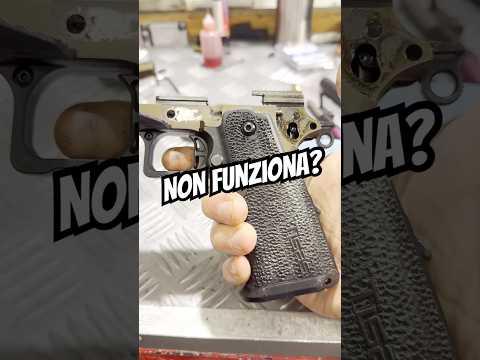
This video discusses a poorly executed and potentially dangerous modification to a 1911 firearm's trigger mechanism. The description highlights how the incorrect positioning of key components, particularly the sear in relation to the disconnector and manual safety, compromises the firearm's safety and function. The presenter thanks @umboman, an Italian police forces champion, for appearing in the initial scene, clarifying that the problematic firearm was not his.
This video discusses the recurring issue of Sig Sauer P320 firearms exploding, often due to out-of-battery discharges or over-pressured ammunition. The speaker, who has personally experienced these malfunctions, outlines preventative measures including installing an aftermarket disconnector from Sig Armorer and a KKM barrel. The discussion highlights concerns about Sig Sauer's lack of official acknowledgment and fixes, contrasting it with other manufacturers' responses to similar issues. It suggests that modifications are becoming necessary for P320 owners to ensure safe operation, especially for competitive shooters who may alter recoil springs.
Gun Laws by State
Read firearms regulations for all 50 states + D.C.
Find Gun Dealers
Search licensed FFL dealers near you.