This video, featuring Tom Grieve, discusses the legal ramifications of drawing a firearm without firing it. It emphasizes that drawing a weapon is justified if you are in reasonable fear of imminent death or great bodily harm. However, it warns that having a firearm out, even at low ready, can lead to legal issues, including potential charges under 'intentionally point' laws, which can be misdemeanors or felonies depending on the state.
This video discusses common bad gun-related advice, emphasizing that drawing a firearm necessitates a willingness to use it, as failing to do so after drawing can lead to legal consequences. It also debunks myths about open carry being a disadvantage, the superiority of appendix carry, the irrelevance of shot placement, and the inadequacy of a 10mm for bear defense. The instructor also advises against dishwashing firearms for cleaning.
This video, featuring retired law enforcement officer Kevin Michalowski and former prosecutor Tom Grieve, provides a critical look at the legal realities of drawing a concealed firearm. It emphasizes that drawing a weapon, even without firing, can lead to significant legal challenges due to subjective witness accounts and prosecutor discretion. The core message is to understand the high legal threshold for using deadly force and the potential consequences of drawing a firearm prematurely.
This video demonstrates techniques for women carrying concealed firearms, particularly when using a purse. It emphasizes the importance of creating an opportunity to draw and engage an attacker, rather than being caught in a 'bad trade' where both parties act simultaneously. Key strategies include waiting for the attacker's attention to shift or creating a diversion to gain an advantage.
This video describes a self-defense scenario involving an aggressive dog. The speaker details the progression of the encounter, from verbal arguments to drawing a firearm. Key takeaways include the importance of clear verbal commands and the decision-making process when facing a direct threat from an animal.
This discussion clarifies the legal nuances of brandishing a firearm. It emphasizes that drawing a firearm without immediate necessity for self-defense, even if the threat retreats, can be considered illegal brandishing and lead to arrest. The core principle is that a firearm should only be drawn when its use is justified by an imminent threat to life or serious bodily harm.
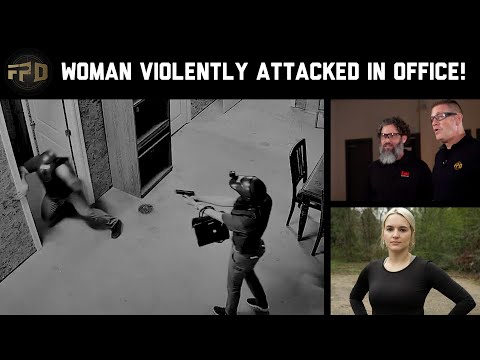
This video demonstrates a critical self-defense scenario using real-world surveillance footage. A woman, pursued by an attacker, successfully defends herself by drawing a concealed firearm and firing a single shot, causing the attacker to flee. The footage highlights the importance of situational awareness, retreating to a defensible position, and decisive action when faced with an immediate threat.
This video discusses the '21-foot rule' in self-defense, highlighting the critical distance at which an attacker with a knife or similar weapon can cover ground and pose an immediate threat. It emphasizes that untrained individuals often hesitate to drop their phones when drawing a firearm, leading to a compromised draw and ineffective defense. The instructors stress the importance of recognizing and reacting to rapidly escalating threats.
This video discusses an "outrageous self-defense case" where a legally permitted gun owner in Michigan faces felony charges for drawing his concealed pistol to deter four men. The discussion highlights the legal complexities and potential pitfalls of using a firearm in self-defense, even when legally permitted and without firing a shot. It emphasizes the importance of de-escalation, having a plan, and understanding the courtroom's perspective in a four-on-one scenario.
This video provides tactical advice for defending against an ambush while inside a vehicle. Key strategies include maintaining situational awareness, performing a gun disarm if attacked at close range, or drawing and firing your concealed firearm if the situation allows and you have the permit. The instructor emphasizes controlling the weapon's muzzle and making split-second decisions based on the attacker's actions.
This video, featuring USCCA Training Manager Richard, provides crucial insights into the definition and risks of brandishing a firearm. It emphasizes that displaying a weapon without an immediate deadly threat can escalate a situation and carries significant legal and tactical disadvantages. The core message is to only draw a firearm when prepared to use it, highlighting the importance of understanding when and why to reveal a concealed weapon.
This video explains the '21-foot rule,' a guideline often discussed in the context of concealed carry and self-defense. It focuses on the potential distance at which a threat with a knife can cover ground and engage a person before they can effectively draw and respond with a firearm. The content is educational, aiming to inform viewers about a specific tactical principle relevant to personal safety and responsible gun ownership.
Gun Laws by State
Read firearms regulations for all 50 states + D.C.
Find Gun Dealers
Search licensed FFL dealers near you.