This video discusses the relevance and capabilities of the MK18 platform, particularly in comparison to newer options like the 11.5-inch barrel configurations. The hosts, with extensive military backgrounds, highlight the MK18's strengths in Close Quarters Battle (CQB) and urban warfare, emphasizing its robust construction, particularly the Daniel Defense RIS II rail. While acknowledging the ballistic advantages of longer barrels, they argue the MK18 remains a highly effective and durable weapon system for specific operational environments.
This video provides an expert assessment of the Mk18's relevance in 2026, detailing its pros and cons. The speaker, demonstrating experienced knowledge, discusses critical factors like velocity, fragmentation range, dwell time, and effective range limitations. Recommendations are made for optimizing performance and considering alternative barrel lengths for specific needs.
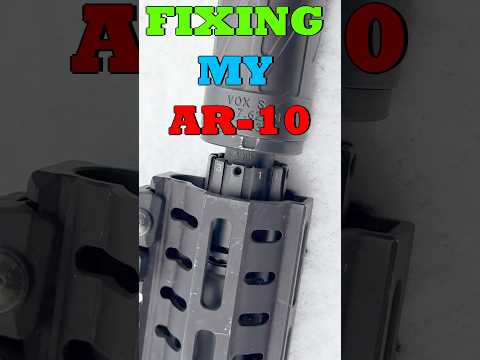
This video details the troubleshooting process for an unreliable CMMG MK3 AR-10 chambered in .308 Win. The host, demonstrating high technical authority, installs and tests the RifleSpeed Gas Control adjustable gas block to address cycling issues exacerbated by a short dwell time and cold weather. The guide focuses on the installation and adjustment of this specific component to improve firearm reliability.
This video advocates for 16-inch barrel rifles as the optimal choice for new or infrequent gun owners, often referred to as 'normies' or 'NPCs'. The instructor highlights benefits such as reduced parts wear, improved dwell time, and consistent velocity, making them reliable and legally straightforward for home defense and general use. The setup discussed includes common accessories like red dots and white lights, emphasizing practicality over complexity.
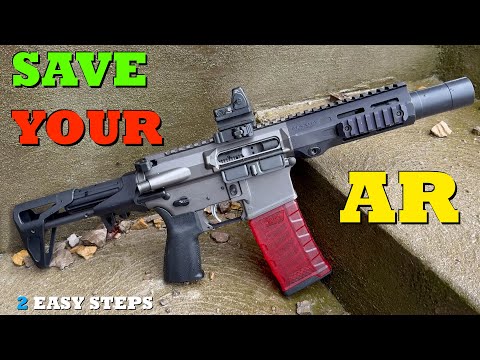
This guide details how to properly tune a suppressed AR-15 direct impingement system to prevent damage. The VSO Gun Channel instructor, demonstrating high authority, explains that suppressors increase dwell time and pressure, often exacerbating factory over-gassing. The process involves a two-step adjustment: first, a coarse adjustment using heavier buffer weights or BCGs, and second, a fine adjustment with an adjustable gas block to achieve optimal cycling and a 3-4 o'clock ejection pattern.
This guide details how to tune an AR-15 gas system for optimal suppressed performance, drawing on expert instruction. It emphasizes understanding dwell time and managing bolt carrier speed through adjustments to gas blocks and buffer systems. The video highlights the importance of fine-tuning for suppressed semi-automatic rifles.
This guide details the process of pairing the FireTeam 556 suppressor with a Sons of Liberty Gun Works (SOLGW) MK1 rifle, focusing on optimizing performance for Short Barreled Rifles (SBRs). The 11.5-inch barrel is highlighted as a key factor for ideal dwell time and velocity when using this suppressor. The video features a high-authority speaker with deep technical knowledge of suppressor design and firearm ballistics.
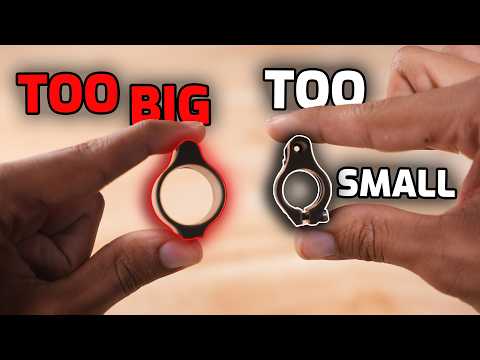
This video provides expert guidance on selecting the correct gas block and gas tube for AR-15 builds. It details how gas system length impacts rifle performance, recoil, and reliability, emphasizing the importance of matching components to barrel diameter and desired shooting characteristics. The instructor highlights the benefits of adjustable gas blocks for fine-tuning performance and mitigating common issues like overgassing.
This video breaks down the different AR-15 gas tube lengths (Pistol, Carbine, Mid, Rifle, and Intermediate) and their impact on shooting dynamics. The presenters demonstrate how barrel length and gas system choice affect recoil, muzzle rise, and overall shooting experience, emphasizing that the 'best' system depends on the intended application and build.
This video provides an in-depth review and extensive testing of the Palmetto State Armory (PSA) 300 Blackout Krink. The reviewer explores the potential of 300 Blackout as a replacement for 7.62x39, focusing on ammo availability and cost. The PSA Krink is subjected to a high volume of fire with various ammunition types, including reloads, to assess its reliability, accuracy, and performance characteristics, particularly its effectiveness as a suppressed firearm.
This video provides an expert-level look at the Aimpoint PC-80, a rare symmetrical action firearm developed by Aimpoint AB. Ian McCollum details its unique annular gas piston system, dual charging handles, and 8-round magazine, explaining the designer's experimentation with gas port placement to control dwell time and bolt unlocking. The presentation highlights the historical significance and technical complexity of this unique prototype.
DuraMag introduces its 'Boe Suppression' line of Next Generation suppressors, emphasizing true caliber specificity and user serviceability. These suppressors utilize a pressure equalization theory to reduce back pressure and focus on visual signature reduction. They offer tunability for dwell time based on caliber and barrel length, and are compatible with popular mounting systems like Rearden, Dead Air, and Plan B.
Gun Laws by State
Read firearms regulations for all 50 states + D.C.
Find Gun Dealers
Search licensed FFL dealers near you.