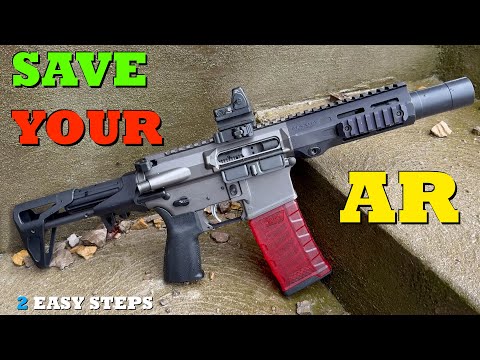
How to Make Your Rifle Suppressor Ready

Published on January 7, 2026
Duration: 16:45

This guide, drawing on the expertise of The VSO Gun Channel, details how to properly prepare and tune a rifle system for suppressor use. It emphasizes building the system around the suppressor and explains the critical concepts of dwell time and gas system pressures. The guide highlights the differences between manual and semi-automatic hosts, using the AR-15 as a primary example for tuning techniques involving adjustable gas blocks and buffer systems.

Quick Summary

The key to a suppressor-ready rifle is building the system around the suppressor. Manual actions are ideal hosts. For semi-autos like the AR-15, tuning is crucial to manage increased carrier speed caused by extended dwell time, using tools like adjustable gas blocks for fine adjustments.

Chapters

  1. 00:00Introduction and Suppressor Philosophy
  2. 03:21Manual vs. Semi-Auto Hosts
  3. 05:50The AR-15 as a Tuning Standard
  4. 08:25Understanding Back Pressure and Dwell Time
  5. 11:06Gas System Lengths and Pressures
  6. 12:57Coarse vs. Fine Adjustments

Frequently Asked Questions

What is the most important principle when making a rifle suppressor ready?

The core principle is to build the suppressed weapon system around the suppressor from the outset, rather than simply adding a suppressor to an existing rifle. This ensures optimal performance and reliability.

Why are manual action firearms better suppressor hosts than semi-automatics?

Manual action firearms (bolt, pump, lever) remain locked during firing, ensuring all gas is directed through the suppressor. Semi-automatics use gas to operate internal components, which complicates suppressor tuning.

How does a suppressor affect dwell time?

Suppressors restrict gas flow for a longer duration, effectively increasing 'dwell time.' This is the period the firearm's action remains under pressure while the bullet is still in the barrel or suppressor, impacting cycling.

What are the differences in tuning suppressed AR-15s based on gas system length?

Pistol and carbine gas systems have higher input pressures and longer dwell times when suppressed, requiring more significant tuning adjustments than rifle-length systems, which have lower pressure and shorter dwell times.

Related News

All News →

More Gunsmithing & DIY Videos You Might Like

More from The VSO Gun Channel

View all →