This video provides an in-depth look at the TRW Low Maintenance Rifle (XLMR), an experimental firearm developed by ARPA in 1969. The rifle features a unique roller-locked, open-bolt design and was initially chambered for the 5.6mm XM216 flechette cartridge, aiming for high muzzle velocity and extended point-blank range. The presenter, Ian McCollum, details its unconventional side-mounted magazine and gas tube, its M60-derived components, and its disassembly process, highlighting its rarity as only six were manufactured.
This guide details the loading technique for the experimental Gras-Vetterli repeating rifle, as explained by Ian McCollum. It highlights the unique Vetterli-style side loading gate and the internal cartridge elevator mechanism, crucial for understanding its operation. The video emphasizes the historical context of repeating rifle development in the late 19th century.
This expert-level examination of the EM-2 rifle, presented by firearms historian Jonathan Ferguson, delves into its technical details and historical context. Ferguson, a recognized authority on British small arms, highlights the rifle's variants, unique features like the 'unit sight' and gas shield, and its design evolution. The analysis covers specific components such as the receiver, magazine, safety, and handguard, offering deep insights into this experimental firearm.
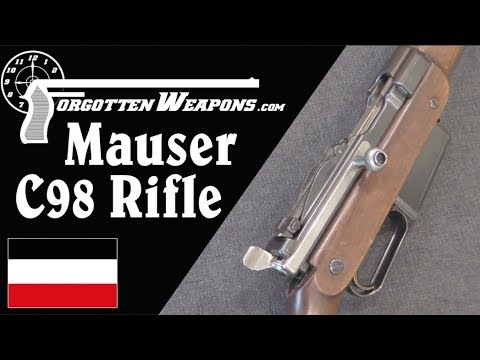
This video provides an expert-level deep dive into the Mauser C98, an experimental flapper-locking rifle. Ian McCollum of Forgotten Weapons details its unique short-recoil operating system, safety features, and historical context, including its connection to Paul Mauser's personal injury. The rarity and mechanical significance of this prototype are emphasized.
This guide details the disassembly and internal mechanism of the Madsen M1888 Forsøgsrekylgevær, as explained by Ian McCollum. It covers accessing the falling block bolt, the unique feed and ejection cycle, and the integral bayonet. The information is derived from an expert examination of a rare museum specimen, highlighting the rifle's experimental nature and historical significance as potentially the first semi-automatic rifle in military service.
This guide details the examination and disassembly of a rare Canadian Experimental Lightweight No4 Enfield rifle, as presented by Ian McCollum. It highlights significant weight-reduction techniques, including extensive milling, an aluminum trigger guard, and a one-piece stock. The analysis emphasizes the trade-offs between weight savings and potential durability concerns, offering insights into a unique firearms development trial.
This guide details the disassembly of the Beretta Model 1931 and 1937 experimental rifles, as demonstrated by Ian McCollum. It covers removing the receiver cap, mainspring, and bolt, highlighting the complex firing pin assembly and hammer-fired system. The information is presented with high authority, drawing on deep mechanical understanding and historical context.
You've reached the end! 7 videos loaded.
Gun Laws by State
Read firearms regulations for all 50 states + D.C.
Find Gun Dealers
Search licensed FFL dealers near you.