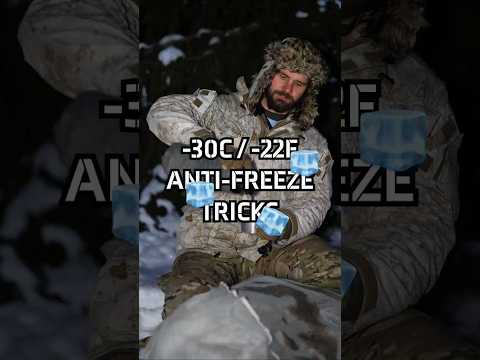
This guide, presented with high authority by FalconClaw, details essential techniques for maintaining hydration in extreme cold environments. It covers the proper use of thermoses, soft bottles, and water bladders, emphasizing insulation methods and body heat utilization to prevent freezing. The advice is practical and field-tested for survival and tactical scenarios.
This guide details a temporary camouflage technique for concealed carry weapons (CCW) in snowy environments, as demonstrated by Phuc Long. By applying white tape to a Sig Sauer P250, the firearm's outline is broken up, making it harder to detect against snow. This practical method is presented with high authority, emphasizing visual disruption principles for CCW.
This guide details a cost-effective DIY method for winter camouflage using readily available gardening fabric. The expert demonstrates how to modify existing gear like backpacks and helmets to blend into snowy environments, offering practical advice for adapting camouflage as conditions change. The approach prioritizes budget-friendliness and field expediency over expensive specialized equipment.
This guide details a quick, field-expedient method for winterizing an AR-15 using white hockey tape. The FalconClaw presenter, demonstrating high authority, explains how to effectively break up the weapon's silhouette against a snowy background. Key steps include strategic tape application, ensuring functionality of controls, and understanding the continued relevance of visual camouflage despite advanced threats.
This guide details essential steps for configuring a tactical helmet for skydiving, focusing on securing Night Vision Goggles (NVGs) to prevent detachment during high-G maneuvers or parachute deployments. It emphasizes using gaffer's tape and proper bungee tension, drawing on expertise from GBRS Group regarding operational gear readiness. Proper helmet configuration is critical for maintaining situational awareness and operational capability in tactical skydiving scenarios.
This guide details the creation and testing of 'cut shells,' a field-expedient method to turn birdshot into a more powerful projectile. The Civilian Tactical Host, demonstrating high expertise, covers the process, damage potential against various materials, accuracy at range, and critical reliability issues encountered with semi-automatic shotguns like the Beretta 1301 Tactical. The video emphasizes that while potentially effective, cut shells present significant cycling challenges.
This guide details the process of creating and testing a 'cut shell' for 12 Gauge shotguns, a field-expedient modification to increase projectile impact energy. The video demonstrates scoring and breaking a shotshell hull to create a single projectile effect, akin to a slug. While effective for increased damage, the guide highlights significant reliability issues, such as failure to eject, due to the altered shell casing shape.
This short demonstrates a method for modifying a long bandolier to create a more compact and efficient ammunition carrier. By pulling a white string, the excess material is removed, allowing the bandolier to hold multiple magazines securely. The modified bandoliers are then packed into larger kit bags alongside other essential supplies like MREs and batteries.
This guide details an expedient technique for patching holes in tactical gear using readily available materials. It emphasizes using 100 mph tape for both internal and external patches, secured with waxed dental floss and needles. The method is demonstrated on a general purpose pouch with MOLLE webbing, highlighting the importance of reinforcing corners and the optional use of Shoo Goo for enhanced durability. The instructor, drawing from Ranger School experience, advocates for multi-purpose tools and materials for field repairs.
This guide details the process of performing a barrel swap on a Desert Tech SRS M2 rifle and verifying zero retention, a key feature for this modular system. The video highlights the rifle's ability to maintain zero across caliber changes, a critical aspect for practical long-range engagements. Instruction is provided by experienced precision rifle shooters, emphasizing practical field application.
This guide details the emergency use of tampons for wound packing, drawing on tactical training insights. It emphasizes that while tampons can serve as a makeshift hemostatic agent, multiple units are required to achieve sufficient volume for pressure. The video highlights the historical context and practical limitations, advising that this method should only be employed when proper medical gauze is unavailable.
This guide details the creation and application of an improvised tourniquet using a cloth strip and trauma shears as a windlass, as demonstrated by Polenar Tactical. While a viable last resort, the expert emphasizes the critical importance of time and accessibility, questioning the feasibility of one-handed application within the necessary timeframe. The advice is cautionary, stressing that DIY solutions are inferior to TCCC-approved devices and should not be relied upon for routine preparedness.
Gun Laws by State
Read firearms regulations for all 50 states + D.C.
Find Gun Dealers
Search licensed FFL dealers near you.



![🥇[.338 Lapua Mag] Desert Tech SRS M2 to 1,000yds: Practical Accuracy](https://i.ytimg.com/vi/o9mvmCedpJA/hqdefault.jpg)

