This video provides an expert-level analysis of the Supreme Court's unanimous 9-0 decision in Barnes v. Felix, focusing on its significant implications for Fourth Amendment rights and the use of excessive force by law enforcement. The speaker, identified as Armed Scholar, details the case's progression, the legal doctrines debated ('moment-of-threat' vs. 'totality of circumstances'), and the potential future legal battles following the Fifth Circuit's response to the Supreme Court's remand.
This video discusses the Supreme Court case Gnome v. Pradomo, focusing on how its interpretation of reasonable suspicion for immigration stops could impact Fourth Amendment rights. It highlights Justice Kavanaugh's reasoning that factors like location, job type, and language proficiency can contribute to reasonable suspicion, even if ethnicity alone is insufficient. The analysis warns that this precedent could be weaponized against lawful gun owners in the future.
This expert analysis from Armed Scholar breaks down the Supreme Court case 'Case v. Montana,' which could significantly impact firearm confiscation laws. It builds upon the unanimous 'Kiglia v. Strong' decision, clarifying the boundaries of warrantless home entry and firearm seizure under the Fourth Amendment, particularly concerning the 'community caretaking' and 'exigent circumstances' doctrines. The analysis highlights the need for Supreme Court guidance on these complex legal issues.
This video discusses Pennsylvania House Bill 1563, which proposes requiring gun shows to collect and retain attendee identification for five years, and report this information to the state upon request. The bill's stated aim is to combat 'ghost guns,' but critics argue it infringes upon First, Fourth, and Fourteenth Amendment rights by deterring lawful assembly and violating privacy. The video notes that the ATF's frame and receiver rule may have already impacted the sale of 80% kits at gun shows.
This video provides crucial guidance on navigating encounters with law enforcement, particularly the ATF, emphasizing the importance of understanding your rights. It details how to handle consent requests, the implications of the plain sight doctrine, and procedures during warrant execution or exigent circumstances. The content aims to empower individuals to protect their privacy and legal standing during official interactions.
This video discusses the implications of firearm registration in Illinois, particularly concerning the potential for confiscation. The speaker, drawing on experience from California, argues that 'grandfather clauses' are not legally binding and can be revoked. The advice focuses on asserting constitutional rights, specifically the Fourth Amendment right against unreasonable searches, by not opening doors to law enforcement without a warrant and invoking the right to remain silent until legal counsel is present.
This video discusses the Fraser v. ATF court case, which challenged the federal prohibition on 18-to-21-year-olds acquiring handguns through licensed dealers. Judge Robert Payne ruled that the Second Amendment protects this age group's right to acquire handguns, rejecting arguments based on historical interpretations of 'the people' and the age of majority. However, the ruling also noted a distinction between the right to acquire and the right to sell firearms, which the speaker finds potentially problematic for future legal arguments.
This video discusses new gun control laws enacted in Michigan, specifically focusing on universal background checks and red flag laws (Extreme Risk Protection Orders). The speaker argues that these measures, while presented as safety enhancements, infringe upon constitutional rights like due process and protection against unreasonable searches and seizures. The content highlights concerns about the potential for misuse of red flag laws and the difficulty in recovering firearms once seized.
This video details the arrest of a legally blind man in Florida for open carrying a cane, which police initially mistook for a firearm. It highlights potential violations of Fourth Amendment rights, the legal nuances of open carry in Florida, and the consequences of police misconduct, including false arrest and filing a false report. The incident underscores the importance of bodycam footage in holding law enforcement accountable.
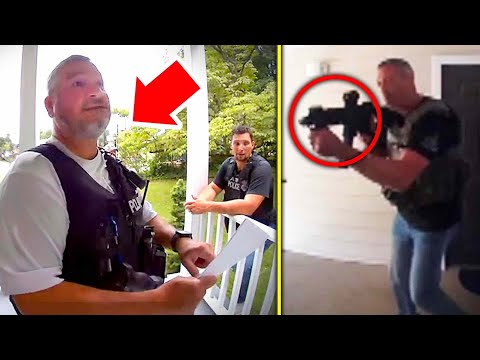
Senator Joni Ernst has formally questioned Attorney General Merrick Garland and the ATF regarding their "knock and talk" enforcement tactics for straw purchases. The video highlights concerns that these visits, often conducted without warrants and with agents in tactical gear, may infringe upon citizens' Fourth Amendment rights against unreasonable searches and seizures. The senator is demanding clarification on the ATF's methods and probable cause establishment for these investigations.
The Supreme Court issued a 6-3 decision in Egbert v. Boule, significantly restricting individuals' ability to sue federal agents, including those from the ATF, for constitutional violations. This ruling effectively closes the door on new Bivens claims, shifting the power to create such remedies to Congress. The decision impacts potential lawsuits concerning Second Amendment rights, as well as First and Fourth Amendment violations by federal officers.
This video documents a Second Amendment rally in Frankfort, Kentucky, featuring interviews with prominent figures like Dick Heller and Congressman Thomas Massie. Attendees discuss concerns about gun control legislation, including red flag laws and universal background checks, and emphasize the importance of the Second Amendment in protecting other constitutional rights. The rally highlights a grassroots movement advocating for gun rights and freedom of speech, with participants expressing a desire to push back against perceived government overreach.
You've reached the end! 12 videos loaded.
Gun Laws by State
Read firearms regulations for all 50 states + D.C.
Find Gun Dealers
Search licensed FFL dealers near you.