This video provides an expert-level ballistic gel test of the Liberty Ammunition SPIKE 9mm self-defense round, featuring data from a seasoned firearms instructor. The test evaluates the ammunition's performance across different firearm platforms, specifically a Canik Mete MC9 and a Ruger PC Charger, using professional chronograph equipment and standardized gel testing protocols. The results highlight the SPIKE round's high velocity and fragmentation characteristics, offering valuable insights for self-defense ammunition selection.
This video provides a detailed ballistics gel test comparing the performance of 10.5-inch and 16-inch AR-15 barrels using M193 FMJ and 60gr V-Max ammunition. It highlights significant differences in velocity and terminal ballistics, demonstrating how barrel length impacts bullet performance and fragmentation.
This video discusses the appropriateness of fragmenting ammunition for self-defense, contrasting it with frangible and standard hollow-point rounds. The speaker, drawing on insights from medical professionals, expresses concerns about the brutality and potential legal ramifications of fragmenting ammo, particularly brands like RIP. While acknowledging its effectiveness in incapacitating targets, the primary focus remains on the ethical and legal considerations for civilian self-defense.
This video reviews Liberty Ammunition's Overwatch .45 ACP self-defense rounds through ballistic gel testing. The instructor, from Tools&Targets, analyzes muzzle velocity from a Glock 30 and a 5-inch 1911, noting significant velocity differences. The gel test reveals distinct fragmentation patterns, with the Glock 30 exhibiting expected fragmentation and the 1911 showing unusual behavior, including a failure to feed and a projectile that largely remained intact, exiting the block differently than expected. The instructor discusses the pros and cons of fragmenting versus non-fragmenting projectiles for self-defense.
This episode of The Yankee Marshal's podcast covers a range of firearms-related topics, including discussions on specific handgun models like the Sig P229 and Taurus 692, ammunition types like fragmenting slugs, and accessories such as custom Ruger 10/22 stocks. The host also touches on personal carry preferences for summer and offers opinions on various firearm designs and their practical applications. The conversation includes viewer questions and commentary on current events with a firearms or self-defense angle.
This video emphasizes that penetration is the single most critical factor for handgun ammunition effectiveness in self-defense, advocating for a 12-18 inch penetration depth in ballistic gelatin as established by the FBI. It debunks outdated concepts like 'stopping power' and 'knockdown power,' stressing that consistent penetration to vital organs is paramount. The speaker also warns against fragmenting ammunition, highlighting its tendency to shed weight and reduce penetration, and advises choosing loads optimized for specific carry guns.
This video showcases the terminal performance of G2 Research R.I.P. .45 ACP ammunition fired from a 1911 pistol into ballistic clay. The demonstration highlights the projectile's unique design, which causes it to fragment into multiple pieces, creating a significant wound cavity. The experienced shooter's safe handling and clear demonstration provide valuable insights into this specialized ammunition's effects.
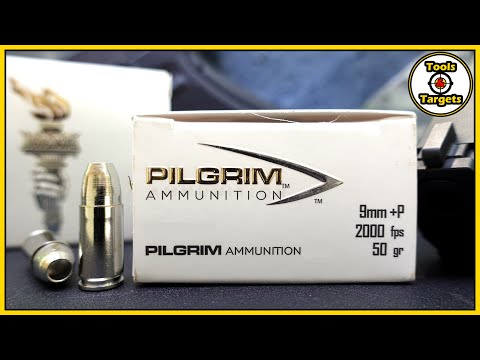
This video details a ballistic gel test of Pilgrim Ammunition's 9mm +P Torch self-defense rounds. The test evaluates projectile velocity from different barrel lengths and performance in ballistic gel, focusing on fragmentation and penetration. The instructor notes the ammunition's ability to achieve claimed velocities and fragment effectively, though expresses personal reservations about the penetration depth typical of this ammunition type.
This video provides a detailed ballistics test of Liberty Ammunition's Civil Defense .40 S&W rounds, conducted by a firearms instructor. The testing includes velocity measurements from two Glock pistols (Glock 27 with a 3.5-inch barrel and Glock 22 with a 4.5-inch barrel) and extensive gel block penetration and fragmentation analysis. The instructor notes the ammunition's high velocity, extreme fragmentation, and consistent performance, while also expressing a personal reservation about its lightweight nature for self-defense.
This video demonstrates a damage test of G2 Research's R.I.P. 9mm ammunition using a PSA Dagger handgun. The test, conducted at an outdoor shooting range, utilizes water jugs and slow-motion footage to showcase the ammunition's fragmentation upon impact. The speaker, identified as an experienced gear reviewer, expresses excitement about the observed cavitation and energy dissipation, highlighting the segmented hollow point design's effectiveness in creating multiple wound channels from recovered copper fragments.
This guide details a test procedure for G2 Research R.I.P. 9mm ammunition, as demonstrated by an experienced firearms reviewer. The test involves firing the segmented solid copper rounds into a clay block to observe their fragmentation and cavity creation. The CZ Scorpion serves as the platform for this terminal ballistics evaluation.
This video reviews the G2 Research Telos 9mm 92gr +P ammunition, focusing on its performance in ballistic gelatin. The test utilizes a 3-inch barrel pistol, simulating a compact firearm scenario. The ammunition is designed to fragment into larger pieces, and the test results show significant fragmentation with shallow penetration, indicating its intended use for rapid energy transfer at close range.
Gun Laws by State
Read firearms regulations for all 50 states + D.C.
Find Gun Dealers
Search licensed FFL dealers near you.