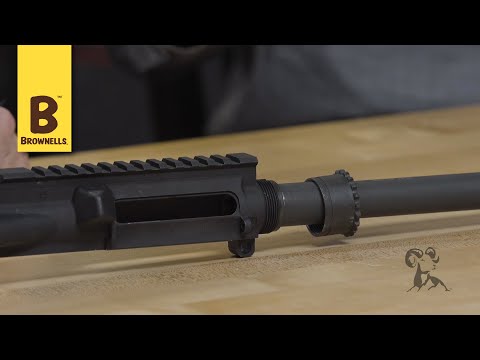
This video from School of the American Rifle details the proper application of Aeroshell 64/33MS grease on AR-15 components. The instructor emphasizes using this specific grease on interfaces with dissimilar metals, such as steel barrel nuts and aluminum receivers, to ensure consistent torque values and prevent seizing over time due to environmental factors and firing residue. While other greases can be used, Aeroshell is recommended for its reliability in achieving accurate torque.
This guide debunks the myth of galvanic corrosion between the AR-15 barrel nut and upper receiver. Experts from Brownells explain that the Type III hardcoat anodizing on the receiver acts as a non-conductive barrier, preventing the reaction. Lubrication is for torque and galling prevention, not corrosion. Real-world and industry expert consensus confirms this myth is unfounded.
This video investigates galvanic corrosion in Shell Shock NAS3 casings after a 1000-round test and subsequent exposure. The instructor, with a background in chemistry, explains the principles of galvanic corrosion and tests casings left on a range for 90 days and submerged in a salt bath. The findings indicate that the nickel plating on the aluminum base effectively insulates it from the ferromagnetic nickel body, preventing significant galvanic corrosion under normal use conditions.
You've reached the end! 3 videos loaded.
Gun Laws by State
Read firearms regulations for all 50 states + D.C.
Find Gun Dealers
Search licensed FFL dealers near you.