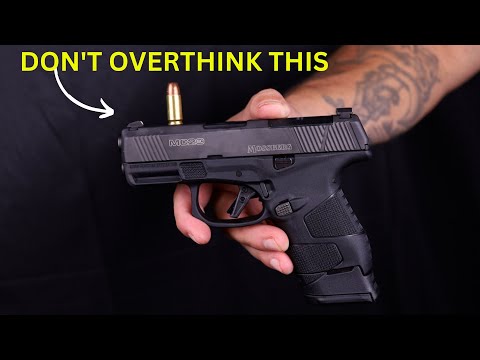
This video from Classic Firearms features Daniel Richardson of Richardson Precision and Training demonstrating and instructing on concealed carry techniques, specifically focusing on efficient garment clearance and draw strokes from appendix carry. The training emphasizes improving draw-to-first-shot speed through methodical practice of clearance techniques, dry-fire drills, and live-fire exercises, highlighting how efficiency in defeating concealment directly translates to faster times. Several clearance methods are presented, including the C-Grip, Sneaky Pee, and Judo Chop, allowing viewers to find what works best for their attire and carry style.
This guide details a technique for improving concealed carry garment clearance in cold, windy weather, as demonstrated by GBRS Group. The core principle involves adding a small amount of weight, such as a spare magazine, to the garment's pocket. This weight helps the jacket or coat fall away more effectively, ensuring a quicker and unobstructed draw stroke. The instructor emphasizes that without this added weight, the garment is more likely to be caught by the wind, hindering access to the firearm.
This guide details a concealed carry reload technique demonstrated by a professional firearms instructor from Regular Guy Training LLC. It addresses common failures where garment interference, specifically a pullover hoodie, can impede magazine insertion during a reload. The technique emphasizes aggressive garment clearance to ensure a successful and efficient magazine change under stress.
This video, Part 3 of a series, focuses on common mistakes made with carry guns. The instructor emphasizes the importance of making the first shot count through proper sight alignment and practice. Key takeaways include practicing holster draws with real-world garment clearance, understanding how carry ammunition impacts at the range, and the critical need for a quality, secure holster. The instructor also advises against unchambering and re-chambering a carry gun unnecessarily due to potential safety and reliability issues.
This two-day defensive pistol class focuses on building a strong foundation for the drawstroke, emphasizing single-handed execution for practical self-defense scenarios. The instructor, drawing from integrated combatives principles, details a specific technique for clearing garments and establishing a secure master grip, prioritizing reliability and snag prevention over pure speed. The intent is to make students more self-reliant and capable of defending themselves and others.
Alyssa Seymour, a tactical content creator, demonstrates a technique for a fast and consistent draw from concealed carry. Key steps include pointing fingers down when reaching for the garment and using the firearm's top edge for leverage to clear clothing. She emphasizes that consistent practice is crucial for mastering this skill.
This video demonstrates a mid-speed, one-handed appendix carry draw drill using a Glock 19. The shooter emphasizes efficient garment clearance and safe re-holstering techniques, utilizing a PACT Club Timer III to track performance. The drill focuses on consistent draw stroke and target acquisition from an AIWB position.
This video provides expert instruction on drawing from appendix carry and performing reloads, emphasizing garment clearance techniques for both two-handed and one-handed scenarios. Instructor Joe Farewell of Farewell Firearms Training details how to achieve a consistent grip and presentation, and offers an advanced method for one-handed reloads when the support hand is occupied or injured. The instruction highlights the importance of proper grip mechanics and efficient shirt manipulation for a faster, more reliable draw.
This video from Top Guns compares Inside the Waistband (IWB) and Outside the Waistband (OWB) holsters for self-defense carry. IWB holsters offer better concealment by tucking the holster inside the pants, making the garment contour hide the firearm. OWB holsters can be more comfortable but are prone to silhouetting and require more effort to clear the garment for a draw.
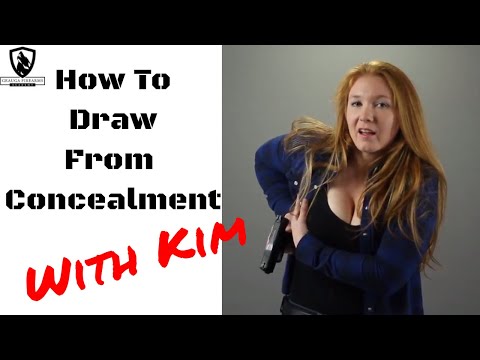
This instructional video from Geauga Firearms Academy demonstrates a technique for drawing a firearm from concealment. The core principle emphasizes using the gun hand to clear the garment while the support hand assists, with a critical focus on maintaining thumb contact with the body to prevent clothing from re-covering the firearm during the draw. This method is presented as a reliable way to access a concealed weapon, even under challenging conditions.
You've reached the end! 10 videos loaded.
Gun Laws by State
Read firearms regulations for all 50 states + D.C.
Find Gun Dealers
Search licensed FFL dealers near you.