This video analyzes the current state of the US ammunition industry, highlighting a significant downturn following the 2020-2022 boom. Major manufacturers like Vista Outdoor are undergoing restructuring, Remington faces challenges from past bankruptcies, and Winchester relies heavily on government contracts to offset softer commercial sales. The market is increasingly influenced by imported ammunition and a more price-sensitive consumer base, leading to oversupply and promotional pricing.
This video analyzes why a future ammunition shortage could be significantly worse than the last one, citing five key variables. These include more fragile global supply chains for raw materials, consolidation of major ammunition manufacturers under a few companies, faster and more prevalent panic buying due to recent memory, rising costs of materials and labor impacting production flexibility, and the critical factor of government and military contracts taking priority during potential conflicts. The speaker, from God, Family, and Guns, emphasizes that these combined factors could lead to an unprecedented shortage.
This video discusses the investigative capabilities of AI, specifically Elon Musk's Grok, in uncovering government spending and potential fraud. Shawn Ryan, a former Navy SEAL and CIA contractor, demonstrates how AI can be used for OSINT and to analyze federal contracts, highlighting concerns about no-bid contracts and funding allocation to NGOs.
This video exposes a significant alleged Medicaid fraud scheme involving Gateway Community Services LLC, where funds raised in the U.S. are reportedly being used to finance a militia in Jubaland, Somalia. The CEO, Abdullahi Ali, is accused of intending to use these forces to overthrow a political leader. Despite whistleblower reports to the state auditor and the Department of Homeland Security, no action was taken. The organization also faces scrutiny for substantial Medicaid billing and no-bid government contracts, including one from Maine Attorney General Aaron Frey.
This video analyzes the controversy surrounding Sons of Liberty Gun Works (SOLGW) following their appearance on the TTPOA podcast. Ben Stoeger, a professional competition shooter, discusses the intense backlash, including consumer boycotts and FFLs refusing to stock SOLGW products. The conflict arises from a perceived disconnect between SOLGW's view of firearms as a non-political product and a significant customer base that views gun ownership as a core political identity.
This video offers an insider's perspective on the firearms market, with a Shark Coast Tactical representative discussing brand dominance and future trends. Key insights include the anticipated rise of 2011-style pistols, the strategic advantage of government contracts for brands like Sons of Liberty Gun Works (SOLGW), and the distinct market segments for niche firearms such as bullpups. The discussion highlights SOLGW's success in scaling production and leveraging contracts, contrasting it with Noveske's historical approach.
This video argues for the necessity of a robust 'citizen defense industry,' emphasizing the historical success of American manufacturing and innovation during WWII. It contrasts this with the current slowdown in military acquisition due to bureaucracy and centralization. The speaker highlights the importance of free markets, competition, and an engaged citizenry in maintaining defense capabilities, suggesting a need to rebuild domestic manufacturing and decentralize production.
The video discusses a specific line item within OBBHR1, allocating billions of dollars towards increasing ammunition production. It details funding for small and medium arms ammunition production, next-generation ammo factories, and bullet material acquisition. A significant portion of this production, particularly from facilities like Lake City Army Ammunition Plant, is stated to be allocated to civilians, aiming to reduce costs and increase availability.
This entry details the rare Glock 17M, originally manufactured for the FBI. It highlights the significance of its Diamond-Like Coating (DLC) internals, which offer superior corrosion resistance. The rarity is emphasized due to refurbishment practices that often replace these unique parts with standard Gen 5 components, making original FBI-spec examples highly sought after.
This video discusses a critical issue within the firearms community: the reliance on Chinese-manufactured thermal optics. The description highlights a discomforting truth where American companies, despite government ties, may not be prioritizing their citizens, leaving thermal customers in a difficult position. The core of the problem seems to be the sourcing of thermal imaging technology, raising questions about national security, ethical business practices, and consumer choices in the firearms accessory market.
This video critically assesses the perceived 'losers' of SHOT Show 2024, focusing on major firearm brands. The speakers, identified as having industry insight, discuss Sig Sauer's absence, Glock's lack of innovation in the 'Gucci' market, and HK and Aimpoint's focus on military contracts over civilian offerings. The analysis highlights market trends and brand strategies within the firearms industry.
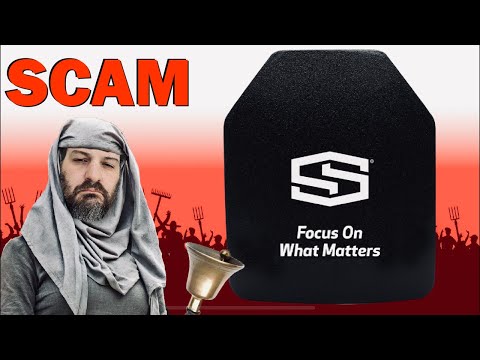
This video discusses the Shot Stop Ballistics 'armor scam' where the company allegedly sold non-American made products misrepresented as American. The speaker clarifies that while NIJ certification is crucial for government sales, it's not always a requirement for civilian armor, emphasizing the importance of independent testing and research. The video also addresses retailer responsibility, stating that individual retailers are generally not liable for manufacturer fraud unless they are part of a complete armor system sale.
Gun Laws by State
Read firearms regulations for all 50 states + D.C.
Find Gun Dealers
Search licensed FFL dealers near you.