This video details the 30-year development of the M1 Garand, the standard US service rifle during World War II. It explores the reasons for the delay in adopting a semi-automatic rifle, the selection process, and its performance in combat. The narrative highlights the challenges of chambering a semi-automatic in the powerful .30-06 cartridge and the eventual adoption of the M1 Garand despite initial skepticism.
This video explores the history and experiences of the 93rd Infantry Division, an African American unit that served in both World War I and World War II. It highlights their unique service under French command in WWI, their training and deployment in WWII, and the challenges of racism and discrimination they faced. The narrative emphasizes their combat roles, significant achievements like capturing a Japanese Colonel alive, and the personal stories of soldiers like Sergeant Daniel Thornton Jr., underscoring the human element of their service.
This entry details the Japanese Type 96 150mm Howitzer, a World War II artillery piece. It covers its design origins, production numbers, tactical utility, and historical deployment, particularly during the Guadalcanal campaign. The information is presented with high authority from a firearms historian.
This video details the Battle of Alligator Creek on Guadalcanal, a pivotal early land engagement in the Pacific Theater. Expert Ian McCollum explains the strategic importance of Henderson Field and the tactical deployment of US forces, including Browning M1917s, M2 .50 caliber machine guns, and the surprising effectiveness of 37mm anti-tank guns firing canister rounds against Japanese infantry. The battle marked the first major land defeat for the Japanese in WWII and provided crucial intelligence on their combat doctrine.
This guide details the operational techniques for the Japanese Type 94 37mm Antitank Gun, as explained by Ian McCollum of Forgotten Weapons. It covers the semi-automatic firing mechanism, crew roles, aiming procedures using the optical sight, and the use of traverse and elevation controls. The information is presented with a high level of authority, drawing on detailed mechanical explanations and historical context.
This video provides a historical overview of the Red Beach landing at Guadalcanal, the first offensive action by the United States in World War II. It details the strategic importance of the landing site, the initial unopposed nature of the assault, and the subsequent push towards Henderson Field. The content focuses on the historical context and strategic decisions rather than specific firearms technicalities.
This video provides an expert-level overview of the Reising M50 SMG, detailing its design philosophy, technical specifications, and combat performance. Ian McCollum, a recognized expert in historical firearms, highlights the M50's role in WWII, its innovative but flawed delayed blowback system, and its eventual replacement due to reliability issues in the Pacific Theater. The analysis includes comparisons to the Thompson SMG and insights into its production variations.
This guide details expert techniques for operating the USMC Johnson Light Machine Gun (LMG), drawing on insights from Ian McCollum's practical range experience. It covers managing recoil in semi-auto, controlling muzzle climb in full-auto, and utilizing the unique loading features like stripper clips. The information is presented with a high degree of authority, reflecting deep historical and technical knowledge of WWII small arms.
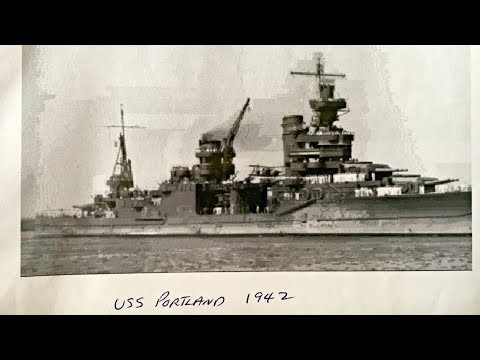
This "Throwback Thursday" video, Part 2, features a personal account from the creator's grandfather, Ray, about his experiences in the Navy during World War II. The narrative focuses on the Naval Battle of Guadalcanal, specifically Ray's time aboard the USS Portland. The description also includes links to the creator's website, Patreon, merchandise store, and promotes a Kit Badger T-Shirt.
This video details the history and technical significance of the Browning M1917A1 machine gun. It highlights John Moses Browning's design evolution from gas to recoil operation, emphasizing the M1917A1's reliability, simplicity, and longevity. The M1917A1 served as the principal .30 caliber water-cooled machine gun for the US Army and Marine Corps from its inception through World War II and into the early 1960s for training.
You've reached the end! 10 videos loaded.
Gun Laws by State
Read firearms regulations for all 50 states + D.C.
Find Gun Dealers
Search licensed FFL dealers near you.