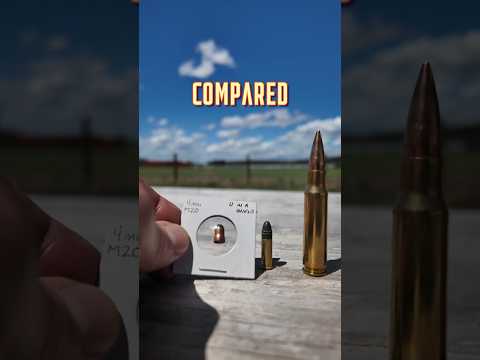
This video compares the cost of shooting various World War II firearms. The M1 Carbine and 1911 pistol offer affordable shooting experiences with ammo costs around $0.40-$0.60 per round. The Mosin Nagant is also budget-friendly at approximately $0.60 per round. The Luger P08 is identified as the cheapest to shoot due to its use of common 9mm ammunition, though reliability can be a concern. The M1 Garand is noted for its iconic 'ping' but comes with expensive ammunition exceeding $1.00 per shot.
This video demonstrates the manual extraction of cordite propellant from surplus .303 British rifle cartridges. The presenter, exhibiting knowledge of historical propellants and safe handling practices, then ignites the cordite sticks to showcase their rapid combustion characteristics. The demonstration highlights the physical form of cordite and its energetic burn.
This video explores vintage 12-gauge paper-hulled shotgun shells, testing their reliability in a GForce Arms Gatlander shotgun. Despite initial concerns about ignition and cycling, the paper shells proved reliable, cycling all six rounds without malfunction. The fired hulls showed charring but did not combust, and produced a distinct fireworks-like smell.
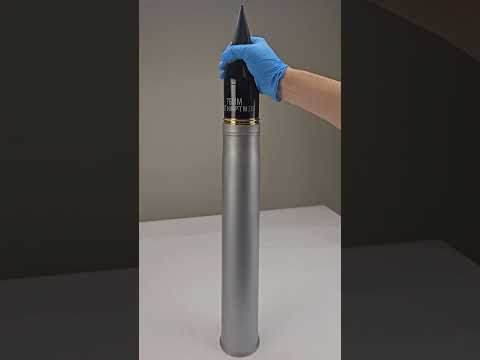
This video focuses on the restoration of ultra-rare tank ammunition, specifically 90mm Hypervelocity Armor Piercing Tracer rounds. The content likely delves into the technical aspects of these historical projectiles, their composition, historical significance, and the process involved in bringing them back to a presentable or functional state. It appeals to enthusiasts of military history, ordnance, and historical firearm technology.
This video details the unique .303 British B-IV Mark 4 incendiary bullet used in WW2. It explains the complex centrifugal air-induction mechanism that ignites white phosphorus mid-flight for incendiary effects. Tests demonstrate its effectiveness against fuel tanks and wood, and its distinct visual impact in ballistic gel and flight.
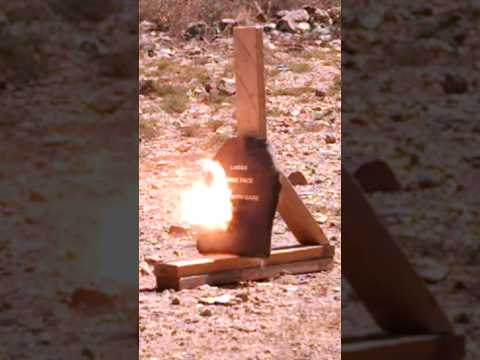
This demonstration by Misha's Guns effectively contrasts the performance of Full Metal Jacket (FMJ) and Armor Piercing (AP) .30-06 ammunition. Firing from an M1 Garand at a steel plate, the video clearly shows the FMJ round creating only a surface mark, while the 1943 Lake City AP round penetrates the steel with a clean hole. The expert demonstrates proper handling of the M1 Garand and identification of vintage ammunition.
This video explores the practice of Soviet soldiers boiling ammunition in Afghanistan, not for preservation, but as a desperate measure to trade for goods. The experiment reveals that boiling, intended to disable the rounds, often failed due to lacquer coatings, with the ammunition remaining functional. This highlights a unique historical military practice driven by extreme conditions and resource scarcity.
This YouTube video features Drobashevich examining old 12-gauge shotgun cartridges from the USSR. He opens one cartridge using an Opinel knife to inspect its components, including the shot, wads, gunpowder, and primer. The video also mentions a test to check the gunpowder's burning rate, possibly using a 'falcon' tool for this assessment. The content focuses on the historical and material aspects of vintage ammunition.
This video from Civilian Tactical explores 18 distinct types of 12-gauge shotgun shells, highlighting their varied applications and designs. The host, demonstrating high expertise, covers everything from standard buckshot and birdshot to specialized rounds like door-breaching shells, flechettes, bolo rounds, beanbags, and historical WWII replicas. The presentation emphasizes that despite visual differences, all are 12-gauge.
This YouTube video showcases a personal collection of vintage ammunition boxes. The creator expresses enthusiasm for collecting these old ammo containers, highlighting a patriotic theme with the American flag emoji. The video focuses on the aesthetic and historical appeal of the packaging rather than the firearms themselves or their usage.
This Gun Talk LIVE episode delves into "forgotten cartridges and loads," unearthed from a storage locker. Ryan and KJ showcase "old school cartridges" for viewers. The hosts also tease the upcoming SHOT Show, seeking audience advice. The video emphasizes historical ammunition and encourages viewer interaction regarding the industry event. It's a deep dive into lesser-known firearms ammunition and a call for community input on a major industry gathering.
This video delves into the historical significance and technical aspects of the 1862 Colt Police revolver, potentially representing the peak of Colt's percussion revolver development. The discussion covers the pistol itself, the use of paper cartridges, historical ammunition loads, and practical advice on how to ensure modern reproductions match the reliability of the original firearms. The content is supported by viewer contributions through Patreon.
Gun Laws by State
Read firearms regulations for all 50 states + D.C.
Find Gun Dealers
Search licensed FFL dealers near you.