This guide details a professional ballistic gel test of Underwood Xtreme Defender 9mm ammunition, including +P and +P+ variants. The test, conducted by a Tools&Targets host with high authority, utilizes a LabRadar chronograph and an HK SP5 to measure extreme velocities and terminal performance through a clothing barrier. Key takeaways include detailed penetration depths and projectile integrity analysis, highlighting the effectiveness of these specialized rounds for self-defense scenarios.
This video provides an expert-level ballistic gel test of Federal Punch .44 Special 180-grain ammunition, conducted by the host of Tools&Targets. The test utilizes a LabRadar chronograph and standardized gel blocks with clothing barriers to assess performance from both a Charter Arms Boomer and a Taurus Tracker revolver. The data reveals impressive expansion and penetration, making it a viable self-defense option, particularly for short-barreled revolvers.
This expert-level guide details a ballistic gel test comparing Winchester Ranger T-Series .45 GAP and .45 ACP +P self-defense ammunition. Conducted by the Tools&Targets host, the test utilizes professional equipment like a LabRadar chronograph and ballistic gel blocks with clothing barriers. The analysis focuses on velocity, muzzle energy, projectile expansion, and penetration depth, providing objective data for self-defense ammunition selection.
This video, featuring a former Army Ranger and law enforcement officer, delves into the critical factors determining ammunition loadout for various scenarios. It emphasizes that 'how much ammo is enough' is dictated by the mission, expected engagement duration, supply lines, and the specific role of the individual. The discussion highlights the difference between combat loads, patrol loads, and the needs of a prepared citizen, stressing that ammo provides time for maneuver, cover, and egress, and that underestimating ammunition needs can be a critical tactical error.
This video provides an expert-level gel and range test of DoubleTap Ammunition's .223 Remington, 9mm+P, .38 Special+P, and .357 Magnum loads. Featuring insights from the founder and professional instructors, the analysis delves into bullet construction, terminal ballistics, and penetration depths across various calibers and bullet types, including lead-free and controlled expansion designs.
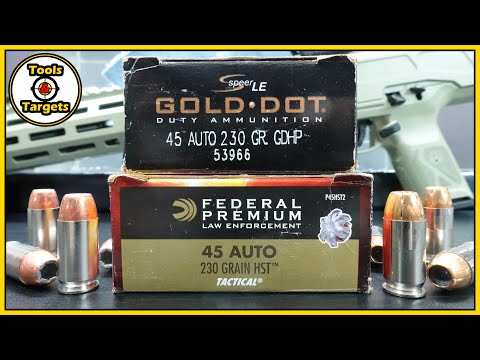
This guide details a comprehensive ballistic gel test comparing Federal HST and Speer Gold Dot .45 ACP ammunition fired from a Ruger LC Carbine. It covers setup, velocity measurement, gel impact analysis, penetration depth, and recovered projectile examination, providing objective data for self-defense ammunition selection. The expert-level instruction highlights the performance of both rounds from a carbine platform.
This video provides an expert assessment of the survivability of various calibers, including .22 LR, .40 S&W, 10mm Auto, .30-30 Winchester, and 00 Buckshot. The instructor, Jared, details the energy transfer and lethality of each round, noting the declining popularity of .40 S&W despite its effectiveness, the resurgence of 10mm, and the superior kinetic energy delivery of the .30-30 rifle round compared to handgun cartridges.
This video debunks the myth that carrying a 10mm Auto is a legal liability, arguing instead that the primary liability stems from inadequate training. The speaker emphasizes that proper ammunition selection is crucial for managing penetration and expansion, and that consistent training with the 10mm is essential to mitigate its significant recoil and ensure effective follow-up shots in self-defense scenarios. The video contrasts the 10mm's origins with its perceived use cases, highlighting its development for human threats rather than solely for bear defense.
This video tests the recoil and effectiveness of different buckshot loads in 12 gauge shotgun shells. It compares 9, 12, and 15-pellet buckshot loads, evaluating their impact on the shoulder and penetration in ballistic gel. The presenter concludes that the 15-pellet load is more effective for home defense despite increased recoil.
A 2025-2035 small caliber ammunition market report indicates that military forces are the largest consumers of small arms ammunition globally. Law enforcement and government agencies are the second largest consumers, followed by hunting and sports shooting. Commercial and self-defense use represents the smallest segment of ammunition consumption. The report highlights .223/5.56, .308/7.62 NATO, .22 LR, 9mm, and 12 gauge as the dominant calibers, with full metal jacket and tracer rounds being the most produced and consumed types.
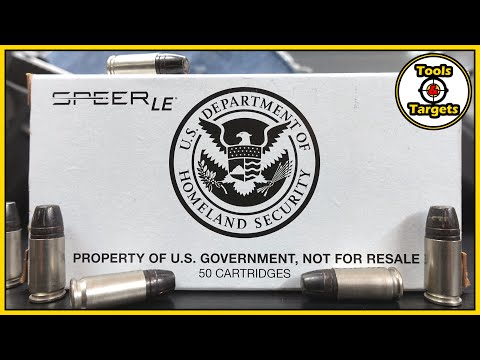
This expert review from Tools&Targets critically analyzes the 9mm Speer Gold Dot G2 LE DHS Border Patrol ammunition. The instructor, demonstrating deep expertise, conducted rigorous ballistic gel tests and velocity measurements using Glock 19, Glock 17, and Canik TP9 SFX firearms. The findings reveal significant underperformance in expansion and penetration, leading to a strong recommendation against its use for defense purposes.
This expert analysis from Garand Thumb, featuring insights from individuals with military backgrounds, delves into the terminal ballistics of various 9mm defensive rounds. Utilizing ballistics gel, chronographs, and dummies, the video evaluates popular options like Federal HST, Speer Gold Dot, and Hornady Critical Duty to determine their effectiveness for self-defense scenarios, emphasizing shot placement as paramount but acknowledging the significant impact of proper ammunition selection.
Gun Laws by State
Read firearms regulations for all 50 states + D.C.
Find Gun Dealers
Search licensed FFL dealers near you.