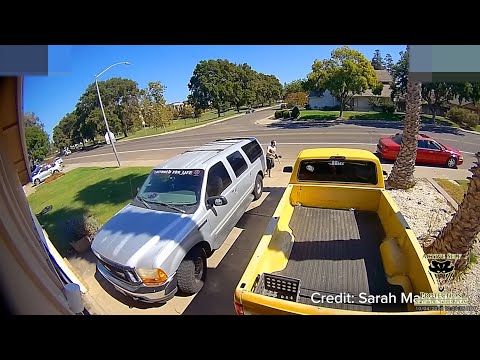
This expert analysis from Active Self Protection, hosted by John Correia, debunks the myth of using wasp spray for self-defense. The video presents evidence showing wasp spray's ineffectiveness, failing to deter an attacker and potentially leading to escalation and severe legal consequences like aggravated assault charges. Correia emphasizes the importance of effective less-lethal options like OC spray and the necessity of empty-handed skills as a backup.
This video analyzes a SWAT operation involving a barricaded suspect. It highlights the deployment of the Lenco BearCat armored vehicle, the use of less-lethal tools like 'Knocker Guns' and tri-chamber grenades, and critiques tactical communication and gear placement. The incident culminated in a breach, a suspect attack with a knife, and the eventual use of lethal force. The analysis emphasizes lessons learned in real-world tactical scenarios.
This video from First Person Defender simulates a terrifying carjacking scenario where an unarmed individual, Shirley, must defend herself. Initially relying on pepper spray in a confined space, the scenario progresses to involve a firearm and quick training. The episode highlights the critical importance of preparedness, situational awareness, effective use of defensive tools (both less-lethal and lethal), and decision-making under pressure. It emphasizes the dangers of leaving a weapon unsecured in a vehicle and showcases the difference training can make in a real-world high-stakes situation.
This video from Active Self Protection, featuring John Correia, analyzes an incident where a man saved two girls from an aggressive dog. Correia, an established self-defense instructor, strongly recommends OC spray as a highly effective, less-lethal tool for animal encounters, citing its ease of legal justification and safety compared to firearms. He shares his personal experience using OC spray four times against aggressive dogs.
This analysis breaks down the LAPD's response to an incident in North Hollywood, highlighting the tactical coordination, the effectiveness of less-lethal force options, and a controversial vehicle intervention tactic. The video features insights from John Correia and Mike Willever, who critically examine the event in the context of law enforcement policy and tactical innovation.
This video analyzes a critical incident in Lancaster, California, where less-lethal force, including Tasers and 40mm projectiles, proved ineffective against a suspect armed with machetes due to thick clothing. The analysis, led by experienced instructors, highlights the importance of maintaining distance, understanding equipment limitations, and the necessity of having lethal cover available during less-lethal deployments. The incident underscores the complexities of real-world use-of-force scenarios.
This video analyzes a Phoenix PD incident where officers were forced to use deadly force against a suspect who refused to comply and presented a deadly threat. The analysis highlights the challenges of de-escalation, the ineffectiveness of pepper ball guns in certain situations, and the critical importance of officers maintaining control and situational awareness during high-stress encounters. It emphasizes that even in apparent suicide-by-cop scenarios, officers must react to the immediate threat.
This video analyzes a less-lethal incident involving the LAPD and a man armed with an edge trimmer. It details the deployment of a 12-gauge bean bag shotgun after de-escalation attempts failed and discusses the resulting injuries. The analysis, presented by experts John Correia and Mike Willever, highlights the importance of discretionary time and the effectiveness, as well as risks, of less-lethal tools.
This video from Active Self Protection analyzes a critical incident in Brazil where an officer successfully de-escalated a knife-wielding assailant using a Taser. The analysis, led by John Correia and Mike Willever, highlights the importance of tactical positioning, understanding suspect behavior, and the proper deployment of less-lethal tools. It emphasizes that while effective, CEWs require lethal cover due to potential failure and the inherent risks of secondary injuries.
This video demonstrates a proper law enforcement response to an aggressive, non-compliant suspect. It highlights the use of de-escalation techniques, followed by the effective deployment of a Taser when necessary. The analysis covers officer positioning, tool utilization (Taser, PR-24 baton), and the importance of body-worn cameras like the Axon Body 3. The PHLster Enigma holster is also briefly showcased.
This video discusses a homeowner's response to catalytic converter theft using paintball guns. It highlights the importance of surveillance cameras for situational awareness and the tactical considerations of using less-lethal force. The presenter advises having lethal cover when employing less-lethal options due to potential escalation.
This video from Active Self Protection analyzes a critical incident involving an uncompromising suspect armed with a knife. Hosts John Correia and Mike Willever, demonstrating high authority, break down the police response, including the deployment of less-lethal beanbag rounds and the subsequent escalation to lethal force. The analysis highlights tactical errors like 'tool fixation' and the importance of continuously assessing the threat.
Gun Laws by State
Read firearms regulations for all 50 states + D.C.
Find Gun Dealers
Search licensed FFL dealers near you.