This guide details how to efficiently pack a range bag using a Condition 1 case, including the practice of keeping loaded magazines ready for use. It highlights the importance of organization for maximizing range time and includes crucial warnings about air travel restrictions for loaded magazines. The instruction comes from an experienced individual demonstrating proficient gear handling and awareness of regulations.
This YouTube video addresses the practical question of how firearm owners store their ammunition. The central theme revolves around comparing two common storage methods: ammunition cans versus loaded magazines. While specific firearm models or calibers are not explicitly mentioned in the provided title and description, the topic inherently relates to the safe and organized storage of ammunition for various firearms. The video likely explores the pros and cons of each method regarding accessibility, protection, organization, and long-term preservation of ammunition.
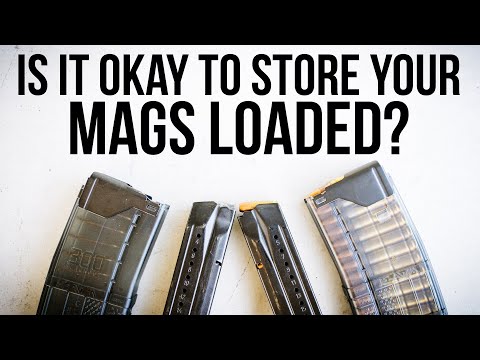
This video addresses a common question regarding firearm safety and storage: whether it is permissible or advisable to store loaded magazines. The content likely delves into practical considerations, potential risks, and recommended practices for responsible firearm ownership and magazine management. It aims to inform viewers about best practices for handling and storing ammunition and loaded magazines.
This guide, from an experienced instructor at Collapse N Protect, details efficient ammunition storage for AR-15 platforms. It contrasts storing loose rounds with the superior tactical advantage of keeping magazines pre-loaded within ammo cans like the 'Fat 50'. The instruction emphasizes the speed difference in reloads, highlighting magazine changes over manual loading during critical moments.
This video addresses the common debate about storing loaded firearm magazines. The instructor explains that contrary to popular belief, keeping magazines fully loaded does not degrade the springs. Spring wear occurs from repeated compression and decompression during use, not from constant load. While not strictly necessary, a proactive approach of rotating ammunition every six months can provide peace of mind.
This YouTube Short from Demolition Ranch humorously emphasizes the importance of always keeping firearm magazines loaded, likely in a context related to preparedness or defensive readiness. The video title and description hint at a casual, yet informative, approach, with mentions of other popular firearm personalities like Garand Thumb and common EDC (Everyday Carry) themes. The content appears to be a quick, attention-grabbing clip designed for social media engagement.
This YouTube Short from Tenicor clarifies the intended use of magazine pouches. The video emphasizes that magazine pouches are designed for loaded or ready-to-use magazines, not as storage for empty ones. The description includes a hashtag for a 'tenicortip,' suggesting an educational or instructional focus. It also provides links to Tenicor's shop and social media profiles, indicating it's a promotional and informational piece from the manufacturer.
This video investigates the long-term effects of leaving AR-15 magazines loaded. The host, Dave, examines magazines loaded in 2005 to determine if they still function. The video explores potential issues such as spread lips and compressed springs, aiming to answer whether old AR magazines are ruined or still viable after extended periods of being loaded. It builds upon a previous video and directs viewers to a website article for more information.
This video addresses a common question among firearm owners: how long can AR-15 magazines be left loaded without compromising their functionality? The host, Dave, investigates the potential degradation of magazine lips and springs over extended periods. To provide a definitive answer, he tests magazines that have been loaded since 2005, demonstrating the results of long-term storage. The content aims to offer practical advice for AR-15 owners regarding magazine longevity and reliability.
Flying with firearms is legal and permissible by following specific TSA and airline regulations. Firearms must be declared, unloaded, and secured in a locked, hard-sided case within checked baggage. Ammunition must be in factory packaging. Lithium batteries from accessories like RMRs or weapon lights must be removed and placed in carry-on luggage. Always research destination laws and maintain control of your firearm case keys.
This video emphasizes vehicle preparedness in anticipation of potential civil unrest following the 2020 election. The speaker advises checking the condition and expiration of medical supplies, flares, tire inflation kits, water, and food stored in vehicles. It also highlights the importance of carrying body armor, loaded magazines, and potentially a rifle or pistol, alongside essential items like a writing utensil and field notebook. The speaker stresses the need to review concealed carry insurance and plan routes to avoid potential protest areas.
This video explores the practice of storing loaded firearm magazines. Wesley from Big Daddy Unlimited discusses the pros and cons, concluding that it "really depends on your situation" but emphasizing the importance of having loaded magazines ready for use. He also suggests that keeping magazines loaded can actually be beneficial for the springs compared to constant loading and unloading.
Gun Laws by State
Read firearms regulations for all 50 states + D.C.
Find Gun Dealers
Search licensed FFL dealers near you.