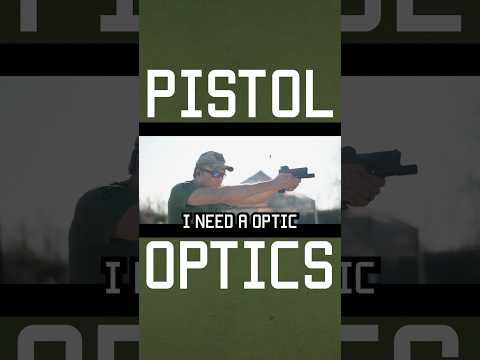
This video emphasizes that choosing the right pistol optic depends heavily on the user's mission and environment. Factors like competitive shooting, everyday carry, law enforcement duties, and environmental conditions (dusty, rainy, urban, jungle) all influence optic selection. The primary mission dictates whether the optic is for competition, long-range, close-quarters, or concealed carry.
This video demonstrates a novel technique using a cardboard box for concealment, particularly effective against thermal detection. The presenter highlights its utility for infiltration missions, emphasizing that successful execution hinges on proper deployment. While presented in an entertaining manner, the core concept focuses on using improvised cover to fool enemy observation, including thermal imaging.
This video details how to establish a Civilian Tactical Operations Center (TOC) to enhance coordination and response capabilities within a group or community during crises. It emphasizes building a 'brain' for your organization by pre-planning team roles, assets, communication plans, and mission execution. The presenter advocates for using tools like the ATO app to centralize information, track personnel and resources geospatially, and streamline mission planning and execution, highlighting that organization is key to effective response when pressure mounts.
This guide details a covert intelligence technique for delivering sensitive information. It emphasizes adopting a persona, infiltrating a target's environment, and executing a discreet drop. The method, described by a former KGB operative, focuses on psychological manipulation and situational awareness to achieve mission objectives undetected.
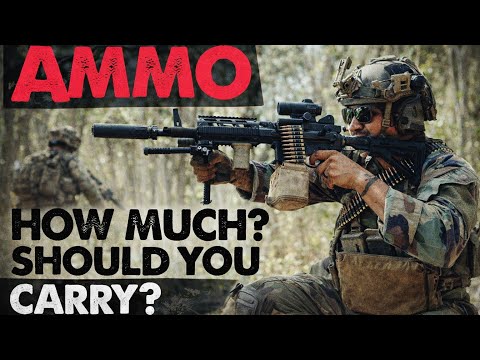
This video, featuring a former Army Ranger and law enforcement officer, delves into the critical factors determining ammunition loadout for various scenarios. It emphasizes that 'how much ammo is enough' is dictated by the mission, expected engagement duration, supply lines, and the specific role of the individual. The discussion highlights the difference between combat loads, patrol loads, and the needs of a prepared citizen, stressing that ammo provides time for maneuver, cover, and egress, and that underestimating ammunition needs can be a critical tactical error.
This entry details critical aspects of Operation Neptune Spear, drawing insights from Will Chesney, a direct participant and former Navy SEAL Team 6 member. It covers the intense mission planning, the use of classified stealth helicopters, and the significant risks involved, including a high casualty probability.
This video from Shawn Ryan Show critically examines a military operation where bureaucratic adherence to Rules of Engagement (ROE) led to mission failure and unnecessary risk. A guest with direct experience highlights how a prohibition against cutting a simple lock on an IED factory prevented mission completion, forcing a retreat over dangerous, IED-laden roads. The narrative underscores the critical disconnect between tactical necessity and administrative constraints in combat zones.
Choosing the right pistol optic depends on your primary mission and operating environment. Consider factors like competitive shooting, everyday carry, law enforcement use, and environmental conditions such as dust or rain. Your specific needs will dictate the features you prioritize in an optic.
This video explores the practicality of the 'trifecta' of firearms (rifle, shotgun, pistol) in real-world applications beyond competition. The speaker, Eric from Iraqveteran8888, discusses how the choices made in 3-Gun competitions can translate to tactical scenarios, emphasizing that firearm selection should be mission-dependent and pragmatic. He highlights the importance of considering factors like portability, specific threats, and the role of firearms as tools.
This video highlights critical 'oh sh!t' moments experienced by GBRS Group members, emphasizing the importance of gear knowledge and contingency planning. Key takeaways include ensuring communication devices like push-to-talk systems are not accidentally activated by weapon slings and the necessity of having backup equipment, such as spare night vision goggles, for critical operations. The discussion also covers potential failures in parachute deployment systems and the importance of robust gear preparation.
This video details the operational cycle of a special operations unit, focusing on the meticulous preparation, execution, and aftermath of nighttime missions. It highlights the importance of routine, detailed planning, and constant readiness, from waking up in the afternoon to the complex logistics of helicopter insertions and extractions. The narrative emphasizes the mental and physical demands, the camaraderie, and the unique experiences of operating in high-stakes environments.
Gun Laws by State
Read firearms regulations for all 50 states + D.C.
Find Gun Dealers
Search licensed FFL dealers near you.







![JAY CAL | PAINT ME A PICTURE [uncut]](https://i.ytimg.com/vi/IhyfPBl12YI/hqdefault.jpg)