This video contrasts static shooting accuracy with the necessity of moving and shooting in real-world scenarios. It emphasizes that while stopping for higher accuracy is beneficial for competition, tactical situations demand continuous movement to maintain progress, acquire angles, and avoid fatal funnels, especially when working with teammates.
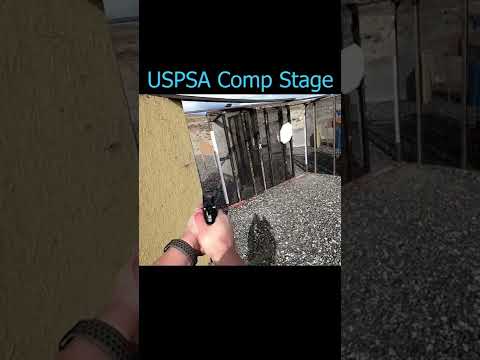
This video demonstrates a typical USPSA stage, emphasizing rapid target engagement, strategic movement between positions, and shooting through barricades. It highlights the importance of clear commands, stage initiation with a buzzer, and proper firearm handling during stage conclusion, including the 'show clear' and holstering procedures. The footage showcases the CZ Shadow 2 pistol in a competitive environment.
This comprehensive breakdown of the 2026 Florida State USPSA Championship, led by professional shooter and instructor Joe Farewell, offers expert insights into stage strategy, equipment reliability, and performance under challenging conditions. Key takeaways include mastering high-speed shooting, adapting to environmental factors, and the critical importance of meticulous equipment maintenance, particularly magazine cleaning, to prevent costly malfunctions. The analysis highlights advanced techniques for various stage types, from dynamic targets to long-range precision.
This drill, favored by Ben Stoeger, focuses on tracking targets through vision barriers, a critical skill for CQB and USPSA competition. It emphasizes moving and shooting, maintaining gun mount, and developing spatial awareness while hunting for targets as they become available. The drill simulates scenarios where targets appear and disappear behind obstacles, requiring shooters to quickly acquire and engage them.
After a year of competition, the speaker emphasizes that acceptable accuracy standards are crucial, but speed often has diminishing returns. They highlight the importance of 'eyes lead shooting' for faster target transitions and the necessity of blending shooting and movement rather than treating them as sequential actions. The speaker also cautions that competition, while a valuable training tool, can develop 'training scars' if not approached with a measured understanding of its gamified elements.
This video by Miles from Tactical Hyve explains a fundamental technique for improving shooting efficiency: maintaining a consistent head level while moving. By minimizing vertical head movement, shooters can keep their sights aligned on target, reducing re-acquisition time and increasing accuracy. While generally beneficial, the instructor notes that for challenging, longer-range shots, a more stable, upright stance might be preferable.
This guide details a USPSA competition stage execution using a Beretta 92X RDO. It covers starting procedures, target engagement, movement with cover, tactical reloads during movement, and final target cleanup. The instruction comes from an experienced competition shooter demonstrating efficient techniques under time pressure.
Jeff Gonzalez of Trident Concepts explains the importance of shooting on the move, contrasting the typical training hierarchy with the realities of a gunfight. He introduces three conditions of movement (stop, in motion, double time) and eight directions. Key drills include single, double, and triple step lateral movements, followed by shooting while moving forward. The emphasis is on moving first, then mounting the rifle, and firing at the first acceptable sight picture to conserve time.
This training course, 'Decisive Actions Transitions' by Muzzle Front LLC, focuses on integrating handgun and carbine skills in dynamic scenarios. It emphasizes fundamental movements, decision-making under pressure, and testing gear effectiveness. The course structure progresses from dry fire and individual weapon handling to complex transitions and communication, highlighting the importance of fundamentals in real-world applications and the significant liability associated with missed shots.
This video details a practical shooting drill designed by Ben Stoeger to improve the integration of movement and shooting. The core concept is to disconnect lower body movement from the shooting action, encouraging shooters to engage targets while slightly unstable or in transition. Key takeaways include practicing a ready-to-move stance, maintaining target focus during movement, and blending shooting and movement phases for efficiency.
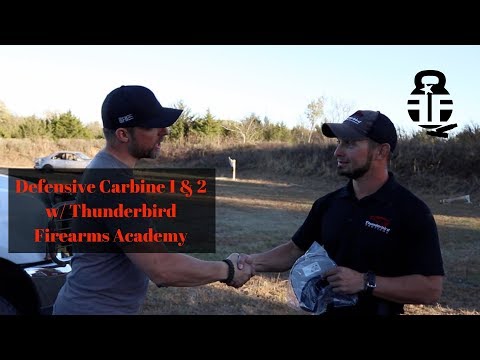
This training covers essential defensive carbine skills, progressing from basic weapon presentation and accurate firing to complex scenarios involving movement, malfunction clearing, and partner tactics. The courses emphasize building proficiency under stress, preventing 'training scars' by avoiding inconsistent shot counts, and developing the ability to solve problems beyond just the firearm itself. Instructors Andy Padilla and Seth Sullivan, both former Marines, integrate real-world deployment experiences to prepare students for chaotic situations.
This video details the 'Buttonhook Shooting Agility Drill' from Tactical Rifleman, led by Rob French of Tier One Group. The drill involves a series of 10-meter sprints away from targets, incorporating 180-degree buttonhook turns to re-engage targets with precise double-taps. It emphasizes combining speed, movement, and accurate shooting, adaptable for various fitness levels and gear configurations.
Gun Laws by State
Read firearms regulations for all 50 states + D.C.
Find Gun Dealers
Search licensed FFL dealers near you.