This video discusses effective stage planning in competitive shooting, emphasizing 'flow' and natural movement over simply minimizing steps. It advises evaluating whether to shoot on the move or stand and deliver based on target difficulty, distance, and potential for accuracy. The speaker, drawing on experience, recommends practicing both methods to determine the optimal strategy for different scenarios.
This video argues that hit factor math in USPSA is primarily relevant for the top 1-2% of competitors aiming to win major matches. For most B, C, and even A-class shooters, focusing on fundamentals, speed, and accuracy is more productive than complex hit factor calculations during a stage. The instructor believes many trainers resistant to teaching it simply don't understand it themselves, and dedicating class time to it is often a waste.
This video emphasizes the importance of continuous movement when shooting in real-world scenarios, contrasting it with static shooting for competition. The instructor highlights that maintaining forward progress and acquiring good shooting angles are crucial, especially when working with teammates or navigating dangerous areas like fatal funnels. The goal is to keep moving to avoid impeding progress and ensure effective engagement.
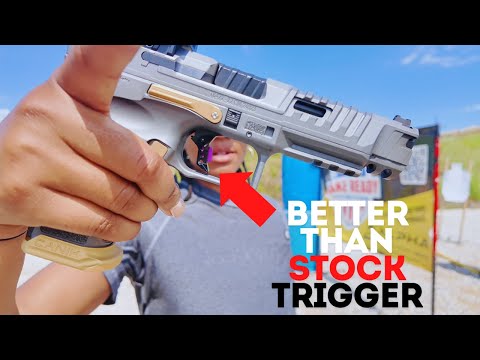
This video demonstrates running a USPSA stage with an upgraded Canik Rival SFX competition pistol. The presenter highlights the benefits of a Freedom Smith trigger shoe, focusing on reduced pre-travel and overtravel, which aids in faster shooting. The video includes multiple stage runs, analysis of hit factors, and discussion on balancing speed and accuracy in competition.
This video suggests using steel targets or negative paper targets to improve shooting speed. The core idea is that focusing too much on pinpoint accuracy can hinder the ability to shoot quickly. By using targets that provide immediate auditory or visual feedback (like steel ringing or negative space on paper), shooters can become more liberated to increase their pace, implying a focus on dynamic shooting or speed drills.
This video contrasts static shooting for accuracy with dynamic shooting for real-world scenarios. It emphasizes the necessity of continuous movement and acquiring good angles when engaging targets, especially when working with teammates or navigating areas like the 'fatal funnel'. The instructor highlights that in dynamic situations, maintaining progress is crucial, even if it means a slight trade-off in immediate accuracy compared to static shooting.
After a year of competition, the speaker emphasizes that acceptable accuracy standards are crucial, but speed often has diminishing returns. They highlight the importance of 'eyes lead shooting' for faster target transitions and the necessity of blending shooting and movement rather than treating them as sequential actions. The speaker also cautions that competition, while a valuable training tool, can develop 'training scars' if not approached with a measured understanding of its gamified elements.
This stage of the Rifle Dynamics' Red October AK 2017 competition focuses on strategic planning and execution. Competitors must decide on the optimal number of rounds per target and manage their limited ammunition (four 10-round magazines) to efficiently engage multiple targets. The stage highlights the trade-offs between speed and accuracy, emphasizing the importance of self-assessment regarding reload speed and shot-to-shot splits.
This episode of the Practical Pistol Show features Ben Stoeger, Matt, and Nick discussing the balance between accuracy and speed in competitive shooting. They advise that while speed is crucial, at higher levels, focusing on accuracy and efficiency can yield significant gains. Visualization techniques are also explored, emphasizing detailed mental rehearsal for challenging stages or specific shots.
This video discusses how a B-class USPSA shooter can improve their speed. The advice centers on moving beyond traditional marksmanship to 'bend the rules,' focusing on target acquisition at speed and accepting misses in practice to identify limits. It emphasizes that true speed development requires pushing beyond comfort zones and learning to be fluid and fast, even if it means compromising perfect technique on certain shots. Close-range drills and dry fire are suggested as methods to accelerate this learning process.
This video showcases a USPSA-style shooting competition at Monroe Sportsman Club, highlighting the importance of balancing speed and accuracy. The course involved engaging paper and steel targets, including swinging targets, from various positions like a low barricade and a barrel. The discussion emphasizes mastering fundamental shooting skills such as draw, trigger control, transitions, and splits as the key to improving overall performance in competitive shooting.
You've reached the end! 11 videos loaded.
Gun Laws by State
Read firearms regulations for all 50 states + D.C.
Find Gun Dealers
Search licensed FFL dealers near you.