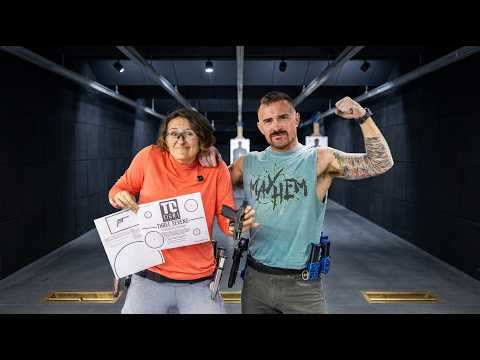
Practical Pistol Show 80- Learning to Shoot Faster

Published on September 12, 2015
Duration: 30:49

This video discusses how a B-class USPSA shooter can improve their speed. The advice centers on moving beyond traditional marksmanship to 'bend the rules,' focusing on target acquisition at speed and accepting misses in practice to identify limits. It emphasizes that true speed development requires pushing beyond comfort zones and learning to be fluid and fast, even if it means compromising perfect technique on certain shots. Close-range drills and dry fire are suggested as methods to accelerate this learning process.

Quick Summary

To increase shooting speed in practical pistol, move beyond traditional marksmanship by focusing on the target for close engagements and accepting misses in practice. This 'rule bending' approach helps push limits, develop fluid gun handling, and build confidence for faster shooting.

Chapters

  1. 00:00Introduction and Viewer Question
  2. 00:44The Shooter's Dilemma: Accuracy vs. Speed
  3. 01:54Initial Advice: Volume and Practice
  4. 03:13Tim Herren's Advice: Forcing Speed
  5. 04:22Ben Stoeger's Approach: Traditional vs. Rule Bending
  6. 06:00The Importance of Shooting Misses
  7. 08:07Mike's Perspective: Pushing Limits and Comfort Zones
  8. 09:58Gaston's Journey: From Low D-Class to Top Shooter
  9. 13:13Gaston's Method: Orthodoxy and Fundamentals
  10. 14:05Learning to Bend Rules vs. Pushing Limits
  11. 15:00Close-Range Drills for Speed Development
  12. 15:58The Role of Dry Fire
  13. 21:43Dry Firing for Draw and Magazine Changes
  14. 22:17Question: Disqualifications (DQs)
  15. 22:46Tim Herren on DQs
  16. 24:35Mike's DQ Experience
  17. 26:41Understanding DQ Rules and Physics
  18. 27:23Gaston's Extensive DQ History
  19. 28:40Skill vs. Safety
  20. 29:06Learning from DQs
  21. 30:17Conclusion and Contact Information

Frequently Asked Questions

How can a B-class USPSA shooter improve their speed if accuracy is already good?

To improve speed beyond B-class, shooters need to 'bend and break' traditional rules. This involves focusing on the target rather than just sights for close shots, and accepting misses in practice to learn limits. Pushing beyond comfort zones and practicing fluid gun handling are key.

Is it beneficial to intentionally shoot misses during practice to get faster?

Yes, intentionally shooting misses in practice is a recommended technique for increasing speed. It allows shooters to push their limits, identify where they are failing, and learn how to recover, which is crucial for developing the ability to shoot faster under pressure.

What is the role of close-range drills in developing shooting speed?

Close-range drills, like those at 3 yards, are highly effective for developing speed. They force rapid engagement and allow shooters to see what level of marksmanship is acceptable at high velocities. This builds confidence and allows for incremental increases in distance.

Can dry fire practice help improve shooting speed?

Dry fire can be beneficial for practicing specific skills like grip acquisition during the draw, which contributes to overall speed. However, it's important to confirm dry fire practice with periodic live fire to ensure the techniques translate effectively to real-world shooting scenarios.

More Training & Techniques Videos You Might Like

More from Ben Stoeger

View all →